Mid-January, a steely cold grey morning with rain pattering on the car windscreen as I navigate the winding road across the winter landscape of Exmoor. My destination is the River Haddeo a tributary of the Upper Exe just over the Somerset border.
I call into Lance Nicholson’s Fishing & Guns in Dulverton to renew my Dulverton Angling Association membership which at £35.00 is excellent value giving access to several beats on the Rivers Exe, Barle and Haddeo. Whilst brown trout are the predominant species there is also a population of grayling.
The Dulverton Angling Association AGM will take place on Thursday 12th February at 7pm, Anchor Inn Exebridge.
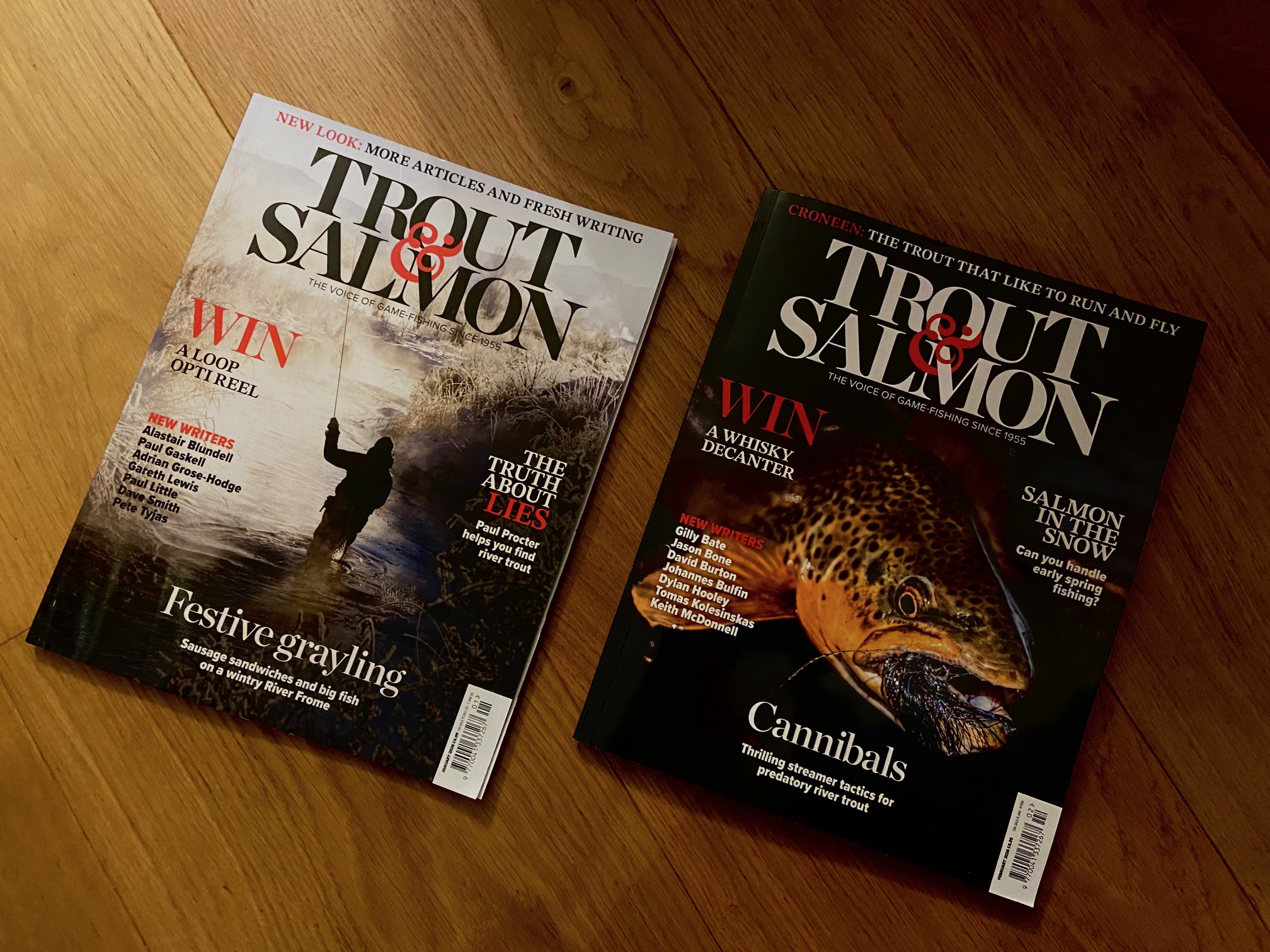
Our speaker is Pete Tyjas, whose new job is as editor of Trout & Salmon magazine.
Grayling are not native to Exmoor but have thrived since their introduction into the Exe in around 1896. These delightful silver ladies of the stream offer an excuse to visit the river in the depths of winter when the valleys have a certain atmosphere that contrasts with the vibrancy of Spring and summer.
After catching up on the latest river news with James in the shop I grab an apple and pork sausage roll from the Exmoor Deli and head to the Pixton Estate.
Frank McBratney a long time DAA member and Haddeo regular reflects on his experience below :-
“Fishing the Haddeo makes a lovely half-day or more in quiet moorland farming country, for it is private water, hidden from tourists and dog-walkers. It is often feasible to fish the Haddeo when there is too much water running off the moor, and the Little Exe and the Barle are in spate. The Haddeo usually fines down sooner than its sister streams after a storm. This is because floodwater from the upper part of the river is impounded and normally held up by the dam, and the lower part drains only its own small valley. The converse of this is that the water level of the Haddeo can sometimes be lower than is natural, because of the dam. It is therefore not the best of streams to fish in a long, dry spell. However, there is a river-conservation agreement for “compensation water” to be released from the dam from time to time, and this invigorates the river and improves the fishing when it happens – not only in the Haddeo but all the way downstream through the Little Exe and into the Exe itself.
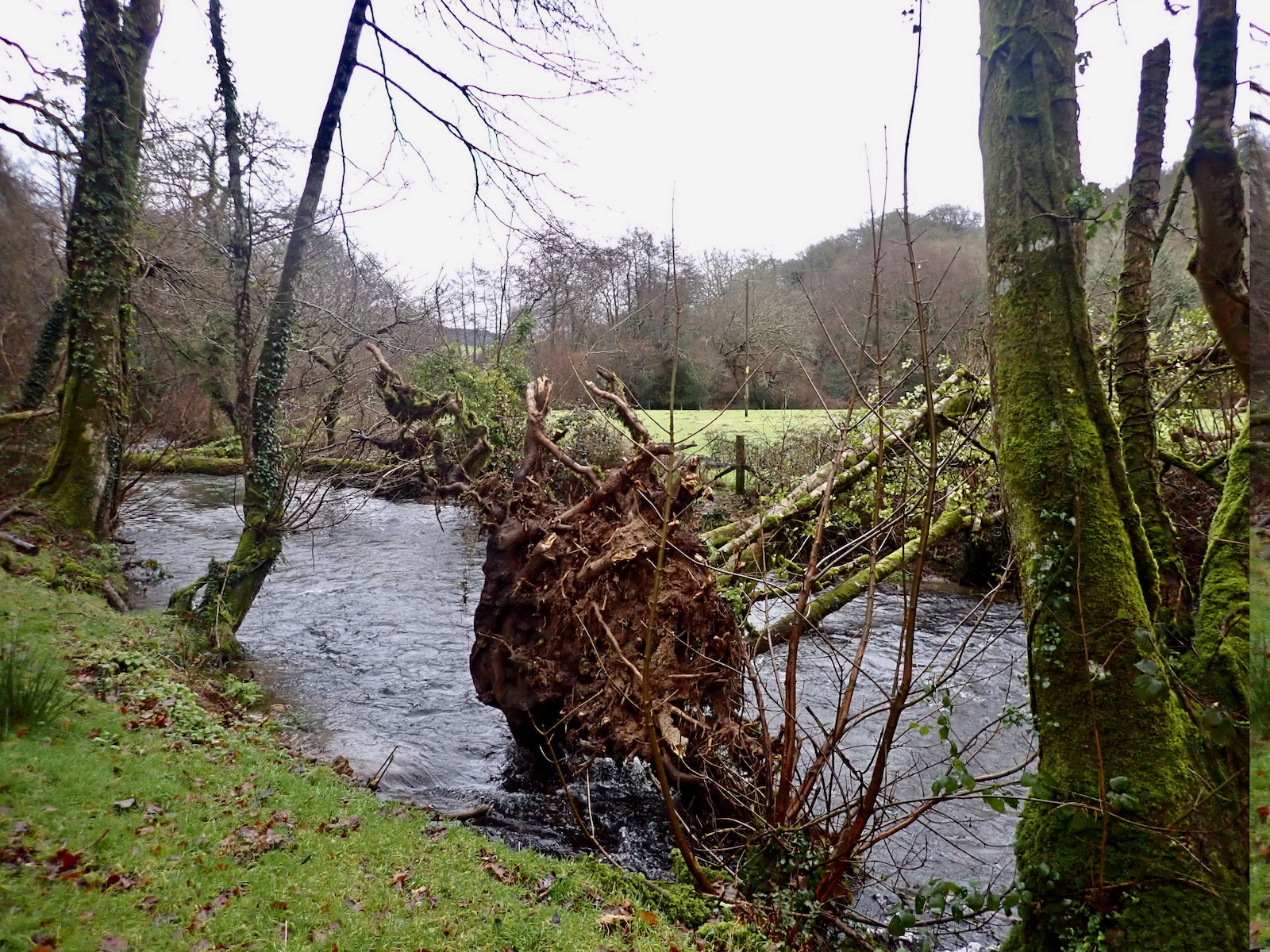
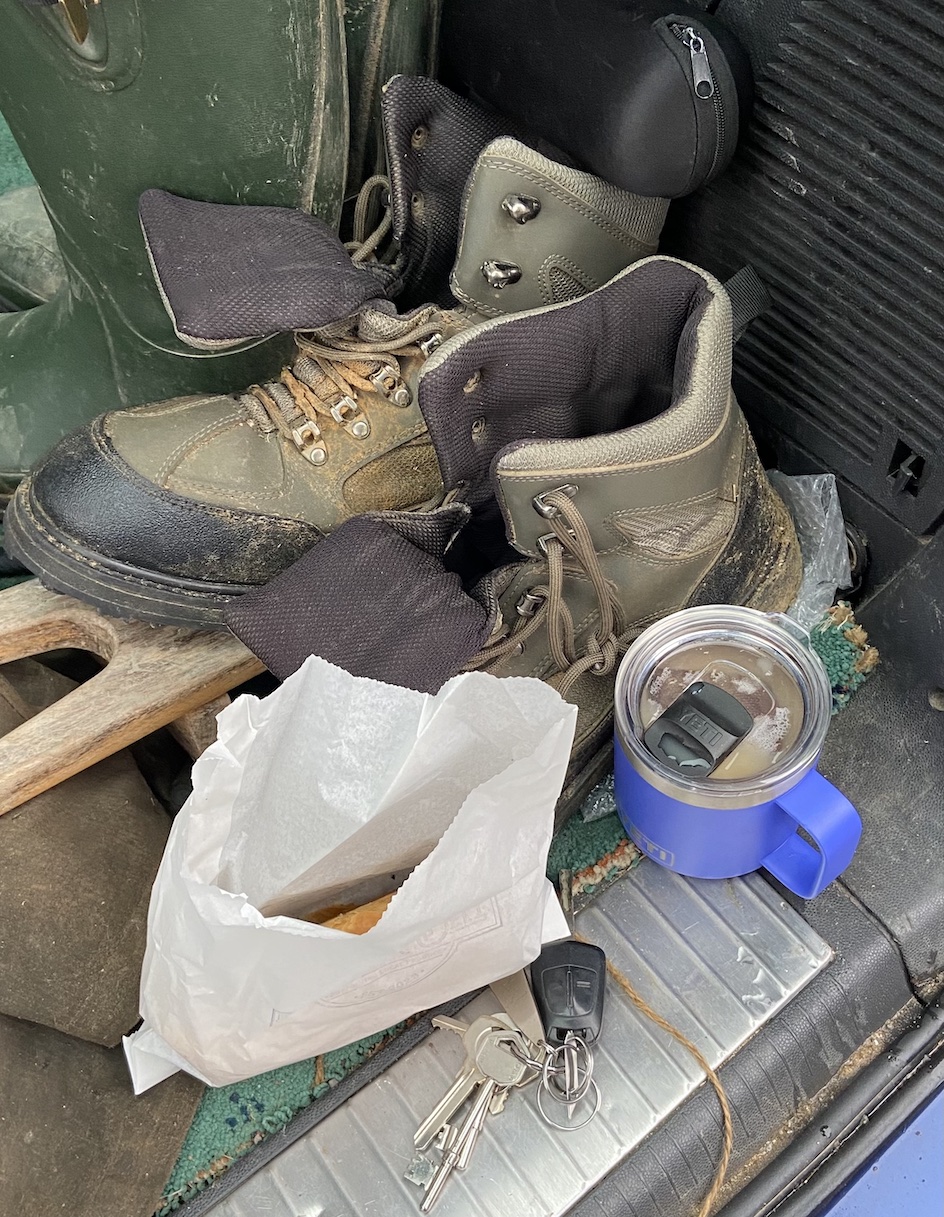
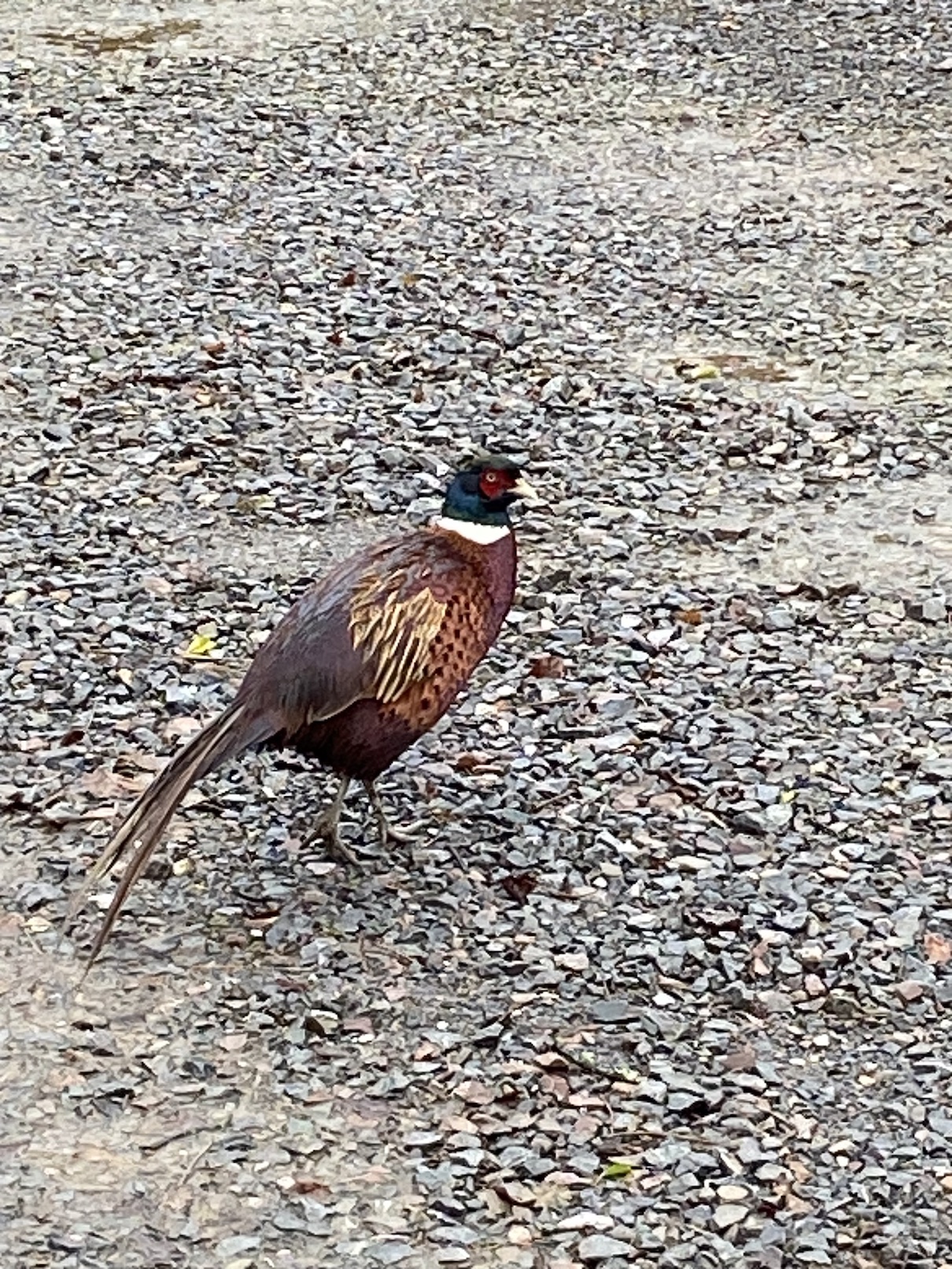
I park up the car, make a fresh brew of coffee and bite into the hot sausage roll. Pheasants strut about eyeing up the visitor to the estate. In just a couple of weeks the shooting season will be over and the valley will descend into a peaceful lull before Spring. Though I’m sure there will be plenty of work clearing fallen trees and clearing up extensive winter storm damage.
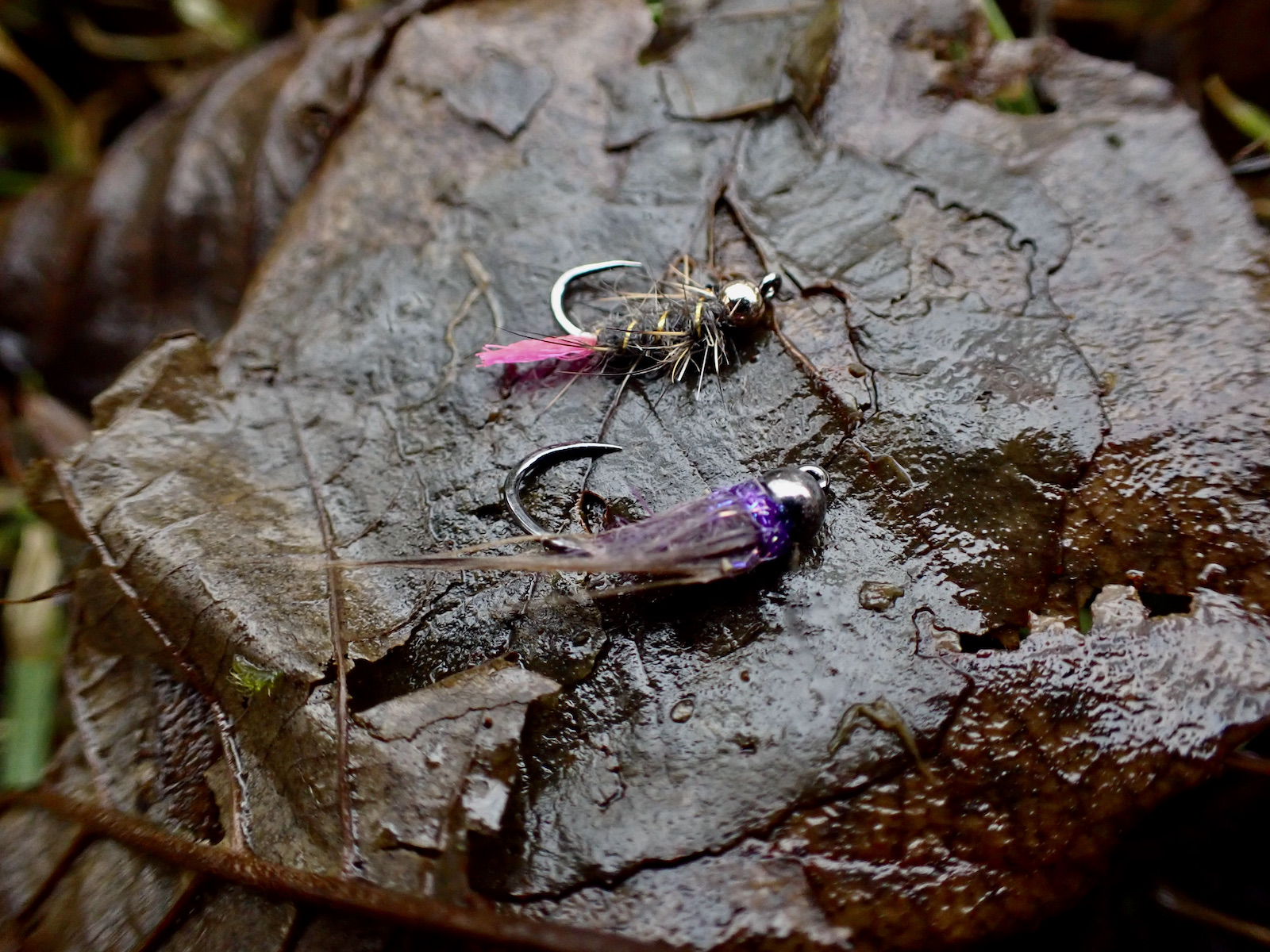
I thread the line through the rings and tie on a couple of tungsten nymphs with which to search the river. I have chosen to fish the Haddeo in preference to the Exe as I suspect recent rain will impact upon the main river more than the Haddeo that is to some extent buffered by Wimbleball Reservoir.
This is my third visit to the Haddeo in search of grayling and is becoming a regular feature in my winter fishing diary. The river valley has its own charm and character offering a less formidable experience than that of the main river.
I negotiate the entrance to the beat wading under the stone bridge to enter a sanctuary from the modern world. The river is slightly up with a tinge of colour that will I hope make my presence less obvious to the grayling I seek.
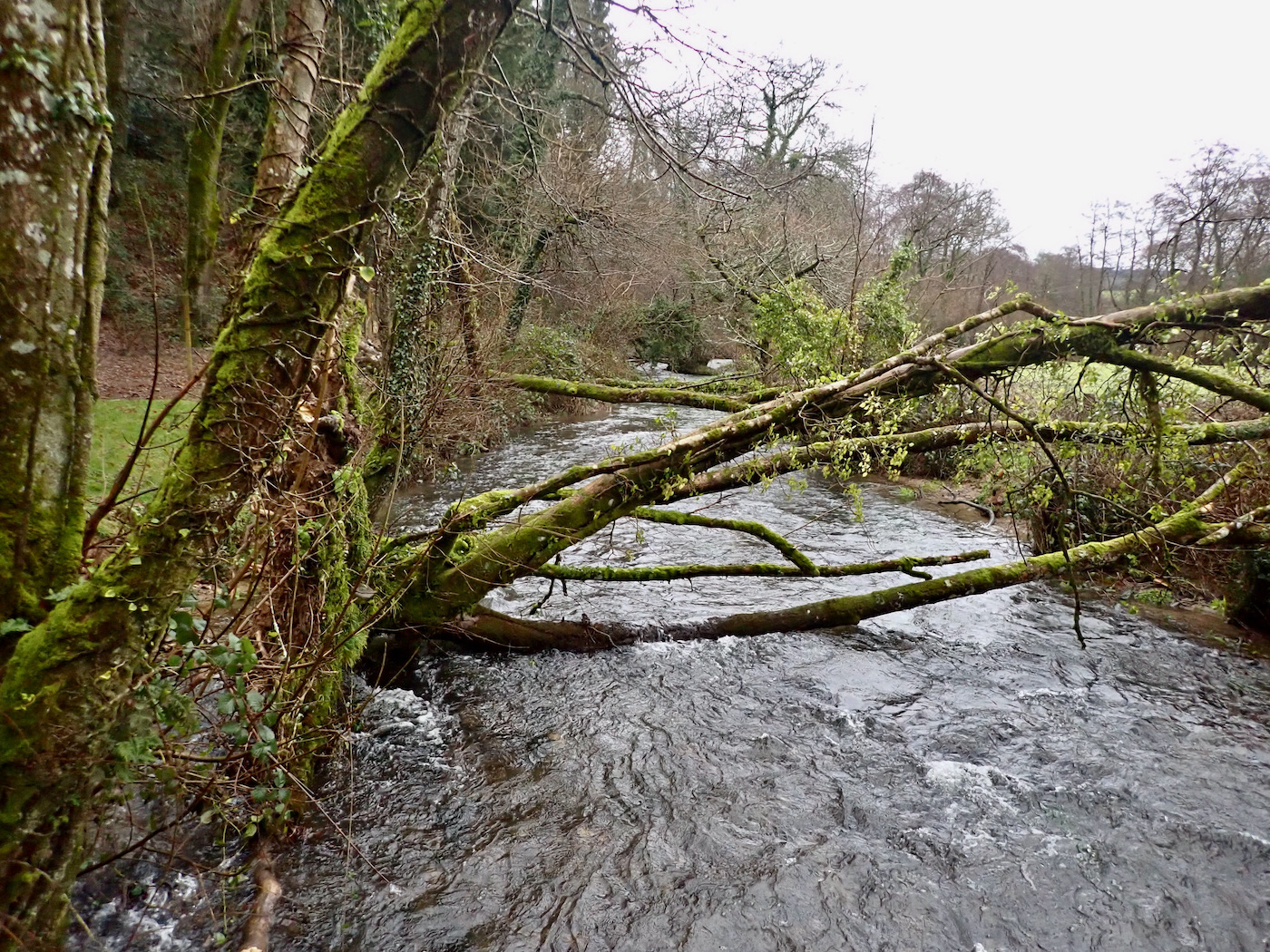
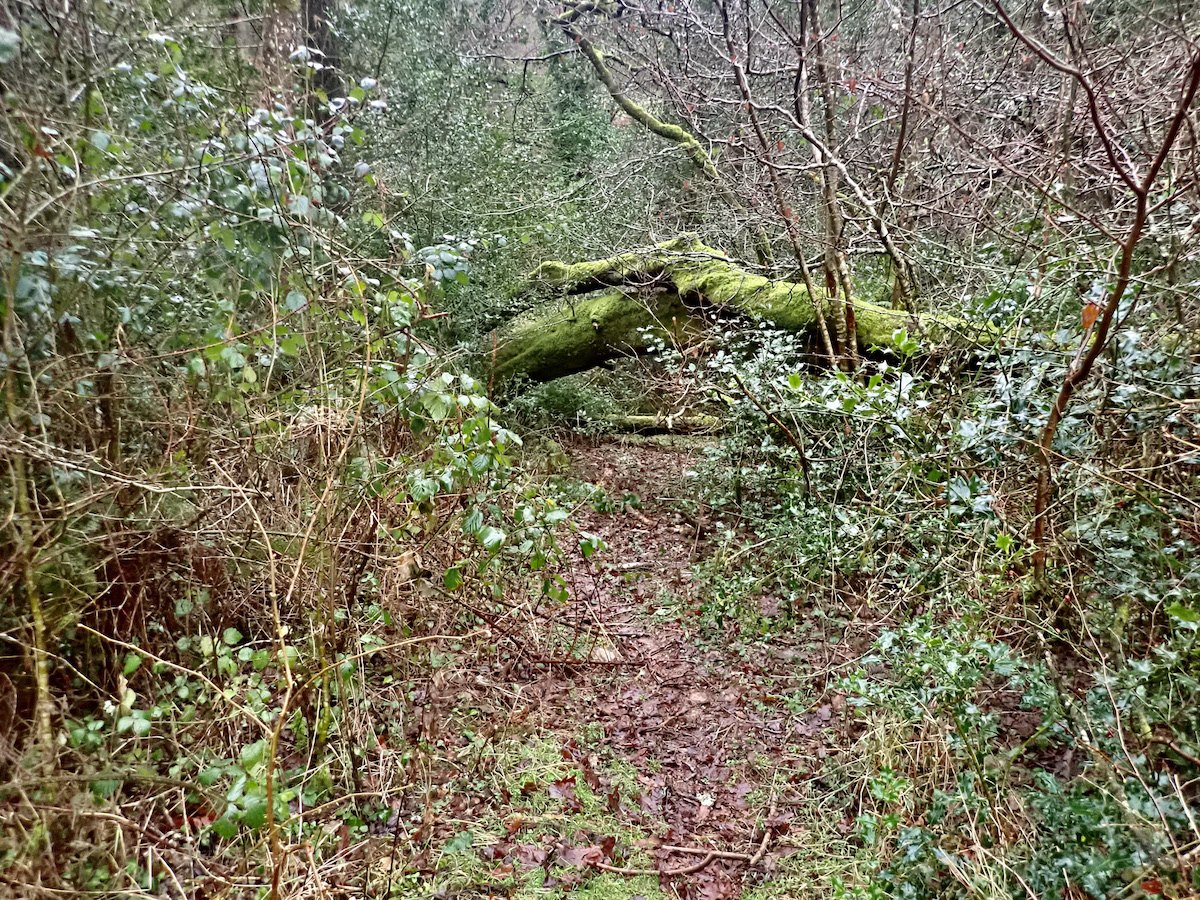
Having fished the river before I know where to concentrate my efforts and start my search using tight line nymphing tactics. The river twists and turns with ancient fallen trees providing intriguing entrances to the riverside.
My initial probing of the water proves fruitless but as I work upstream my confidence increases and I settle into a rhythm of dibbling the nymphs to search the river. I have the heaviest nymph on a dropper with a light pattern with a flash of pink on the point. This ensures that both trip along close to the bottom where I anticipate the grayling will be lying.
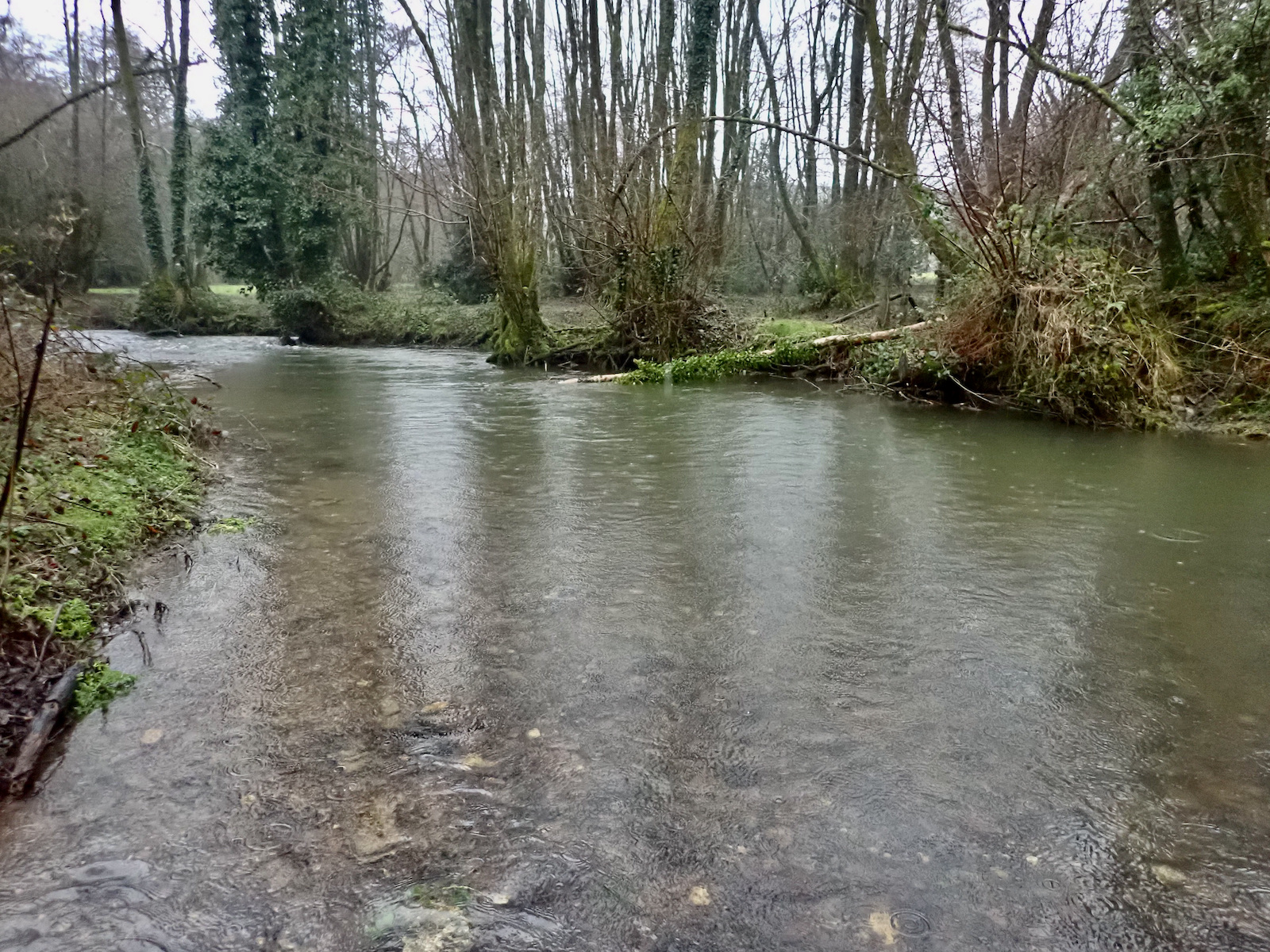
Its starting to rain heavily as I approach a pleasing looking glide that speaks of fish as I read the water. The drift commences the bright leader tightens and a silver grayling gyrates in the water as the rod flexes. My prize slides over the waiting net and I admire her bright beauty that contrasts with the grey winter day. I take a quick picture before slipping her back into her watery home; and away as they say on ‘Gone Fishing’.
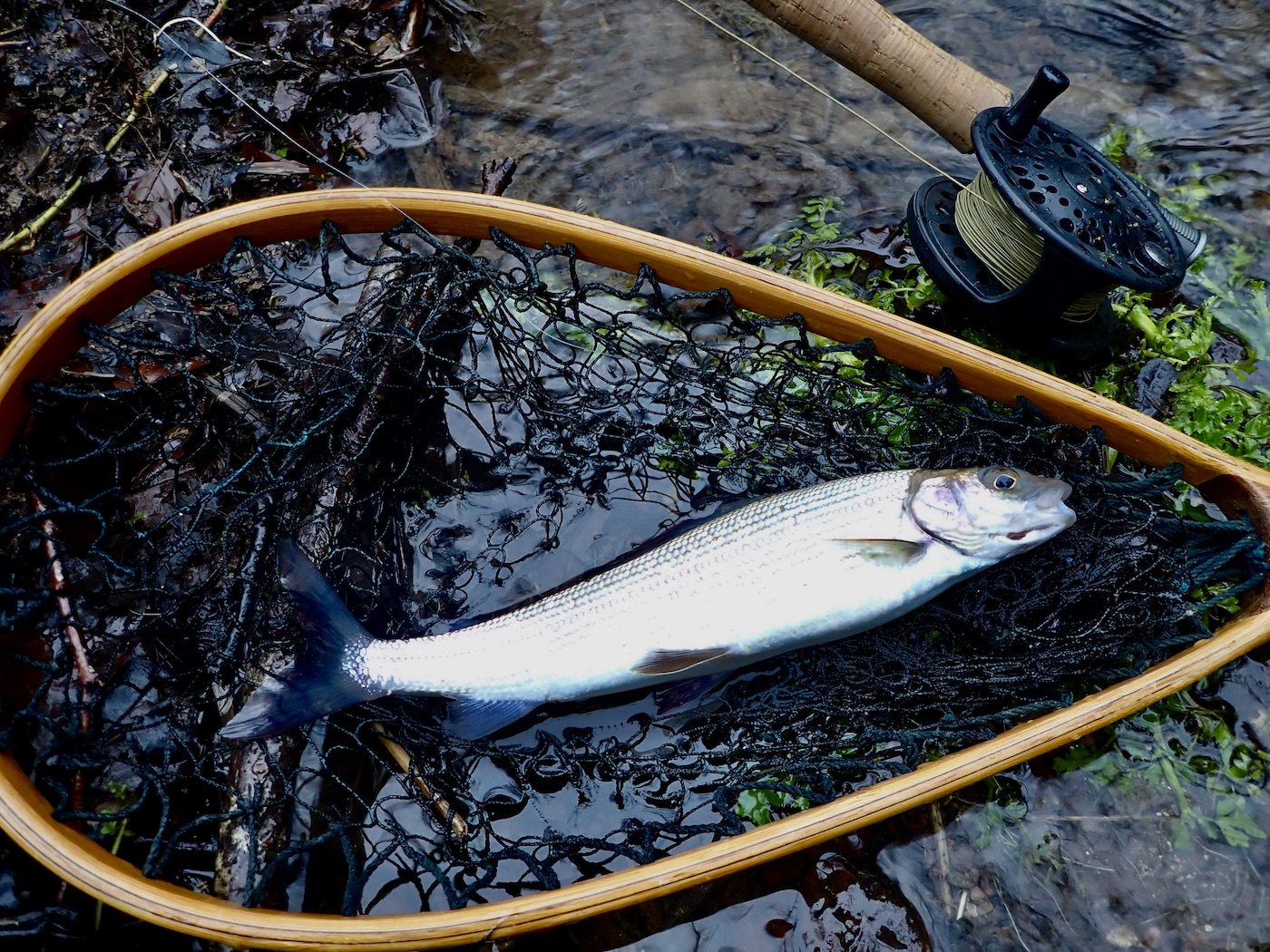
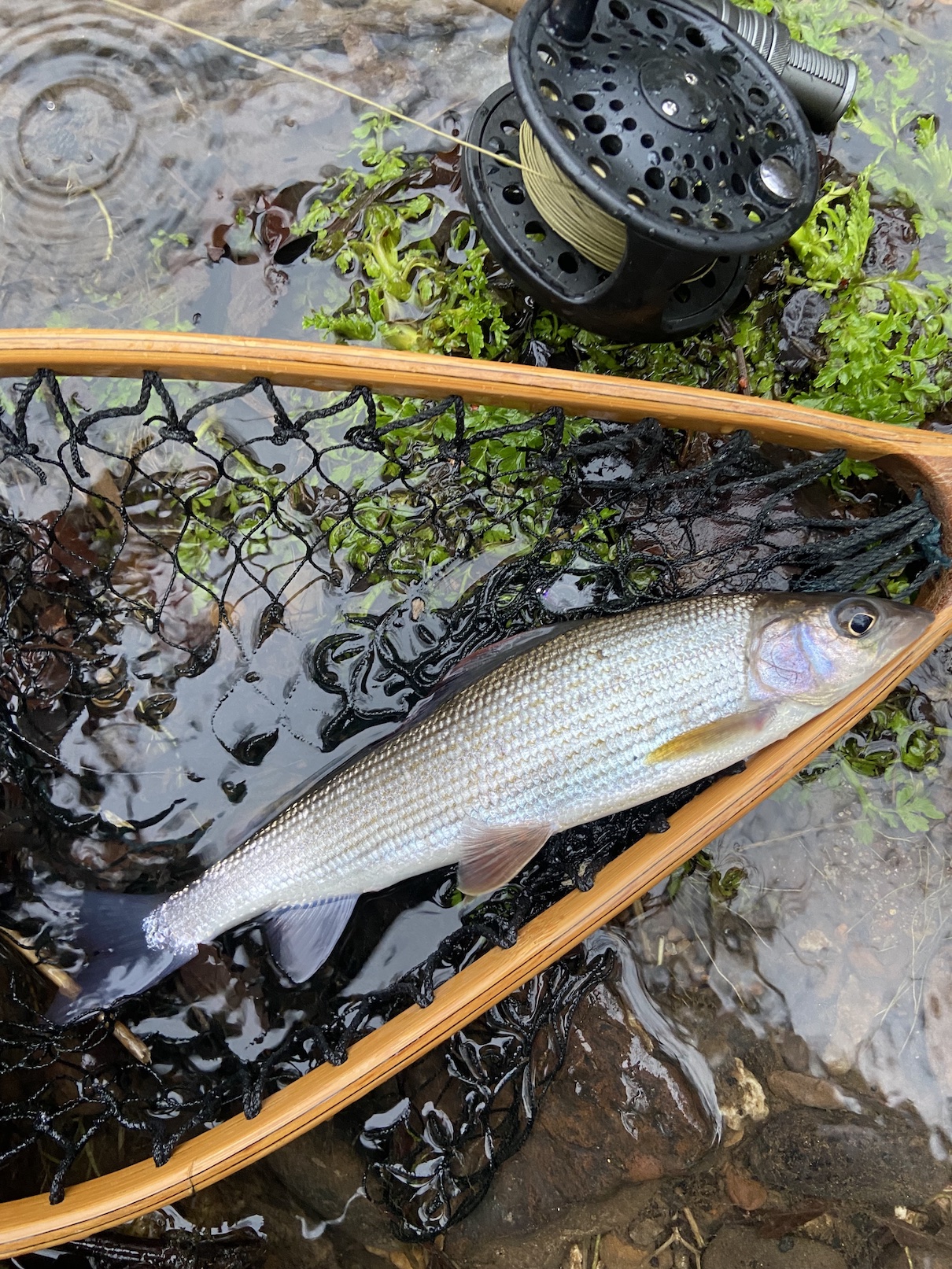
I hook another grayling on my next cast a bit bigger but it slips the hook after a few seconds. I’m not too bothered by this loss as I have caught my target fish and anymore will be a bonus.
I amble on up river content in success. Towards the top of the beat is a run in which I have caught grayling on each of my previous visits and I flick my offering with joyous optimism. The line tightens but it‘s an out of season brown trout that darts around the pool, flanks of warm olives and golds decorated with crimson spots. I slip the barbless hook free with the trout in the water and hope to catch it again on a warm summer evening.
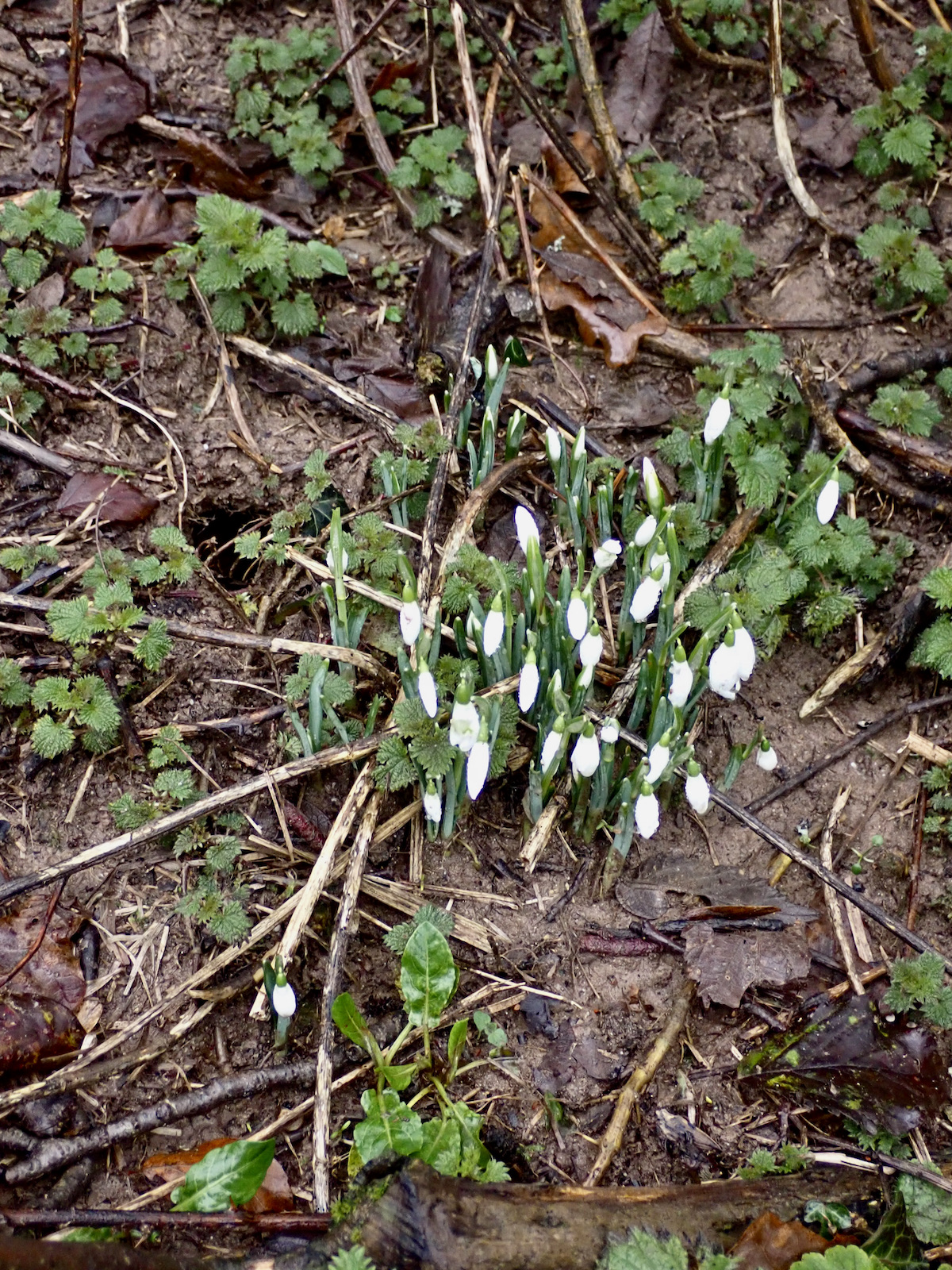
I slowly work my way back down the beat searching the favourite lies again without connecting. Snowdrops are starting to emerge from the cold soil their white flowers offering promise of spring. A wren flits between tangles of bramble. A pheasants cry drifts through the afternoon valley and the sun is starting to show behind a thin veil of cloud. Wisps of smoke drift from country cottage chimneys.
I wade back under the old stone road bridge and stroll back to the car where I finish off a Luke warm coffee and cold sausage roll that I left unfinished in my eagerness to embrace the waters edge. As I un tackle I congratulate myself on returning at the days end with the same two flies. As despite one or two tangles I have denied the trees and river snags any offerings; a rare accomplishment for this at times inexpert dangler.
I drive home passing through Dulverton, resisting the strong temptation to peruse the second hand fishing books that are always waiting on the bookshelves within Rothwell & Dunworth.
(Below) Winterstorms have left their mark. at the waters edge.
It is a often a dilemma as to clear or leave as woody debris can provide valuable benefits to fish and fauna.