Richard Wilsons Fish Rise – Tell Me Sweet Little Lies

Many thanks to Richard Wilson for allowing me to publish his regulars features full of dry humour and comment on todays fishing world.

For the guides and gillies on the frontline

Hey Mr Dream-Seller, tell me how’s it gonna be. Are the Salmon running? Are there fish you can see? Have you, as the song says, dreams enough to spare?

Comes the answer: ‘Fish are moving and the river’s looking great – and it should hold well for the whole of your week’.  All of which sounds very promising. But buyer beware; we hear what we want to hear and nowhere do these words say there are more than a handful of salmon in the river.

The language of guiding has always been creative and bendy, but as the Salmon and Steelhead runs diminish this inventiveness is being tested. Telling anglers what they want to hear without promising the impossible is an art form, although it helps that no audience was ever more willingly misled than we fishing junkies. There is nothing we want to hear more than that we’re arriving at a river full of fish.

Back in the real world, far from any river, deceiving clients is easier. The clerk on the airline check-in desk (if you can still find one) has always promised that your seat has extra legroom and your baggage has been checked all the way through. This is done with impunity because by the time you find out that your seat is in the loo and your baggage in Bahrain, you are a continent away. On a river your guide must sell you a dream that holds you enthralled for the duration of the trip. You’re both in it together and, for added frisson, there’s that tip at the end.

The scale of this challenge cannot be understated. At one of England’s salmon fisheries, a famous hotel, the total salmon catch last year was 1. That’s right: One salmon. Imagine being a guide with that to deal with.

So, let’s go fishing: We’ve arrived. It’s our big week and our hopes are highThe anxious first question we ask is “How’s the fishing?”.

‘Hey!’ the guide smiles broadly. ‘Great to meet you. The river’s in fine condition and we’re gonna have a really good time’. Our pulse quickens in anticipation of the thrills to come.  It’s going to be an awesome week!

Later, after all the pleasantries are done, the bags unpacked and the tackle checked, there will be a more serious word in your ear: “The river’s looking terrific and the water levels couldn’t be better, but – I’ll be straight with you – the salmon are running a little late this year”.  This should set your alarm bells ringing.  The phrase used to mean that the February salmon had arrived in April, presumably in an act of contrarian defiance against the early arrival of spring.  Nowadays this trend is taking a desperate turn and the truth would sound something like this: “We don’t know where the fish are. In recent years the redds have been a hot tub, the sea nets are longer and finer, the fish farm’s doubled in size and the town sewage works pumps raw effluent to match the farm slurry.” Apex predators vary from country to country but you can be sure they’re also in trouble. The entire ecosystem is in decline.

Against this fishless backdrop of warm and perhaps excremental water (try fishing in England or Wales) our hapless guide or gillie must keep our spirits up for a whole week. And that takes a very special sort of talent.

If I create the impression that I’m singling out guides and gillies as the reality-benders, it’s because I am. And I have a great deal of sympathy for their plight because, if I were your guide, I’d do the same.

It’s not the guide’s fault. He or she is a decent human being with a job to do and bills to pay. But the unvarnished truth can be brutal and visitors who believe there are fish to catch are easier company than those whose hopes have been dashed before a fly is cast. There’s also a trade-off in this: As less time is spent catching fish so more must go into managing the client. This is compounded by the human weariness that sets in as a dud week unfolds.

Meanwhile, back at our accommodation, the new day is here and it’s time to hit the river. The guide’s rules are simple: Keep smiling and remember that the lack of action can’t be blamed on the visitor, no matter how badly they fish. And no self-respecting guide could ever say it’s down to poor guiding. So, if we can’t blame the angler or the guide and we’ve already agreed the river is looking great, what does that leave? We can’t, at this early stage in the week, blame the fish because the illusion of their presence is why we’re here. In defiance of reality, we must travel hopefully.

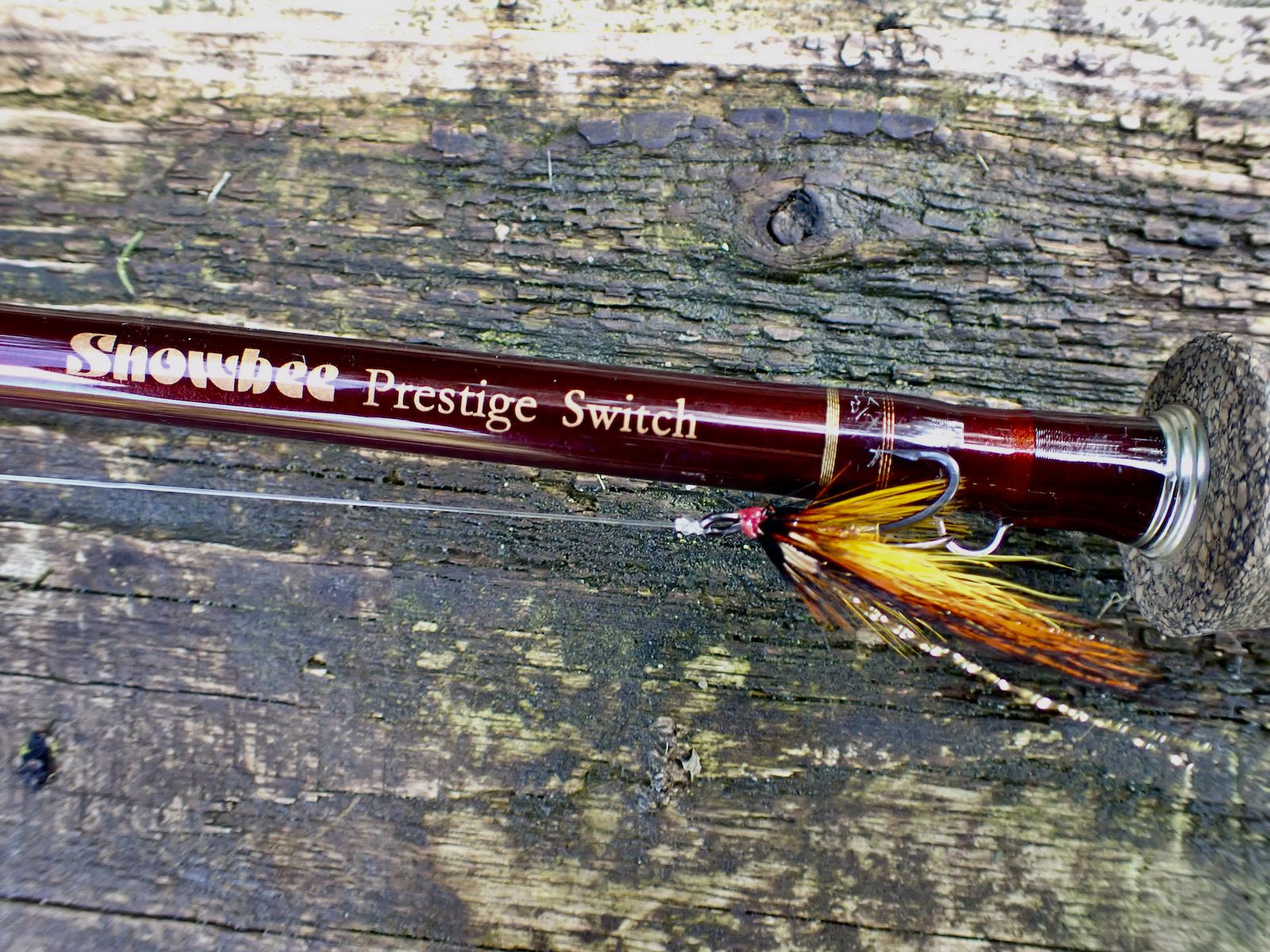
For once the world is on the guide’s side. The ubiquitous Global Fishing Mega-Corp has fragmented fishing tackle into so many interchangeable and marketable parts that I doubt anyone has yet explored all the mind-numbing combinations that can now connect a reel to a fly. Mostly they just connect Mega-Corp with your bank account.

Changing tackle combinations looks like rational problem-solving and keeps the client optimistic. For a single Skagit line there can be some 28 mow-tip variations (perhaps doubling by the time you read this) one or two of which might even be appropriate. Thankfully there are cheaper alternatives. Then there’s the leader and, if time drags, we can learn some new knots. And if that doesn’t work there’s always a Scandi or a Spey or just a good old-fashioned WF line on a single-handed rod. Or a single-handed Spey line. How long have you got? (Answer: A week).

Top of this list is the fly, the interminable way to fill time. This works because most people cling to the belief that there is a right fly to deploy right now. So devoting effort to choosing a winning fly seems crucial, even though experience suggests that successful fly selection mostly works only in hindsight. And, of course, all the time you’re making these changes the fly is on the bank. Which is a lot less disappointing than having it in the water.

I was once with a Steelhead guide whose fly wallet was stuffed entirely with bright pink flies. He carried no other colour. From this fanfare of explosive and uniform pinkness he selected a single fly that he thought would catch fish. How it differed from the rest I could not tell, but I was smitten by the concept. You can have any colour you want, provided it’s pink.  And it worked. No time was wasted tying knots and 4 Steelhead were caught (there were fish in the river).

So the next time I’m with some austere gillie on a drear Scottish river I’ll have the perfect response when he asks to see my flies.  What he wants to say to me is: ‘If only you had a Dour Dreich-Black Doomster Fly you might have been in with a chance. With that lot, all shiny black + a hint of silver thread, nay chance.”  I’m going summon up all my courage and flash a wonderland of effervescing pink and then hope it works.

But back to our river: As the fishless week progresses the guide will see our mood disintegrate. Hope flees and life loses all meaning. We persevere because we must. Admitting defeat is not an option.

Life losing meaning …

This is when I get hit with The Great Euphemism of Last Resort – an intervention reserved exclusively for the fishless angler on suicide watch. I’ve heard it on both sides of the Atlantic and it’s the moment when guide euphemisms morph into lies. And it really annoys me, not for the lie, but because I willfully fall for it every time.

The week has reached the point where small mistakes multiply into big ones and my patience with myself is running thin. I just hope the guide is with my fishing partner and not watching my dire performance. My casting is falling apart. And then, suddenly and with a big smile, up pops the guide, as cheerful as a cheerful thing can be   … ‘Hey, you’re looking great! There’s nothing wrong with your casting and you’re covering the water really well’.

The effect on me is electric. Oh WOW! A real, live pro-fisherman or woman has just told me my casting is faultless.  I’m really good at this! It’s going on my gravestone as proof of a life well-lived:  Here Lies Richard – Oh Boy Could He Cast!  Confidence is restored, my casting recovers and I’m poised to strike when the inevitable fish takes. Life is great.

But only for a while, because reality is corrosive and this praise is not what it seems. It always comes at that moment when even a passing stranger can see that I need a bottle of wine, a whole cake and a long afternoon nap. It’s an undeniable, self-evident fact that I’m casting very, very badly. And yet I fall for it every time – hook, line and sinker.

Let’s take a step back and look at this dispassionately: The guide said ‘There’s nothing wrong with your casting’. They didn’t say anything much was right with it either. What this says is that my casting’s sort of OK.  ‘Sort of OK?’.  ‘Yup, it could be worse’. And if I then take another step back this is what the thought bubble over the guide’s head says: ‘What can I say?  You’re getting the line out. That’s OK. But a fishless week combined with a lifetime of accumulated bad habits is taking its toll. Even if a fish shows up, the best you’ll do is give it a slapping. It’s day 6 and I’ve run out of ideas.’

Thankfully most guides are much too canny to say anything of the sort.

So that’s it. The week’s heading for a dud, the guide has played their last card and the guest is wilting. Everyone is ready to go home.

This is now happening on too many rivers and to too many people. We all know the reasons – climate change, pollution, commercial exploitation, land use, fish farming, overheated oceans and so on.  As a result, guiding is becoming less about catching fish and more about providing emotional support for wilfully gullible clients.  The times they are a’changing.

Inevitably, as migratory runs continue their decline, I’ll be falling for The Great Euphemism of Last Resort more often. And, much to my surprise, I really don’t mind.  I’ve realised that if I’m out on the water, rod in hand, then the two sweetest little lies you can tell me are that the river is full of fish and that my casting is great. So, please, hit me with it one more time.  And sometimes, every once in a while, it will be true: my casting will find that sweet spot and a fish will oblige.

But until that happens, please don’t stop: Tell me lies, tell me sweet little lies.

— — — —

This article first appeared in Chasing Silver Magazine and has been republished in Hatch Magazine.


The River Torridge Fishery Association – NEWSREEL

posted in: Game Fishing, Sidebar | 0

The River Torridge Fishery Association

President: Lord Clinton

Chairman: Paul Ashworth                                                                Secretary: Charles Inniss

NEWSREEL:  WINTER 2023 

The Salmon Hatchery

            At long last I have some good news: the EA has given the go ahead for us to run the hatchery again this autumn/winter. The hatchery team have had to attend a health/safety course and we have had to purchase a hoist and harness in case of difficulties netting the broodstock in 18 inches of water!! A working party has tidied the hatchery site and cleaned the holding tanks. All being well we will be trapping the broodstock in early/mid-November. Once the eggs have been stripped and fertilised, 10,000 will be sent to the Colliford hatchery with the remainder being.  looked after at our Monkokehampton hatchery.

Our Fishery Enforcement Officer

            More good news: a new fishery officer for North Devon has now been appointed. Sam Fenner is very keen to support the Torridge in particular the hatchery project.

The Annual Egg Box Dinner

            Over 40 members and guests enjoyed a convivial evening with good company and an excellent meal. We were delighted that our newly appointed Fishery Officer, Sam Fenner, was able to join us and meet several of our members.

The Annual Raffle

            Thank you all for supporting the raffle so generously which made a net profit of £1,225.

The prize winners of the raffle:

            £100 Orvis Voucher:                   Nigel Case

            Voucher for 12 bottles of wine: a friend of Graham Henderson

            £50 Half Moon Voucher:            Trevor Glover

The Fishing Season

            We cannot complain about a lack of water this year. After a dry hot June the remainder of the season was characterised by changeable weather with regular spells of heavy rain. The runs of both salmon and sea trout were again disappointing. Salmon and sea trout moved quickly upstream and most of the fish were caught on middle river beats. The lack of fishing effort (and I was as guilty as anyone) possibly meant that the rod catch did not truly reflect the number of fish in the river. Three salmon were caught in the last two days of the season, including an absolutely fresh fish of 7lb from Madeira. There was some good brown trout fishing in May and June. There is increasing evidence that the trout are feeding on the baby signal crayfish, which have now infested the whole catchment, resulting in several fish up to 3lb being caught.

RIVERWOODS SCREENING

Many thanks to those who attended our screening of Riverwoods at Loxhore Village Hall on October 6th. It was good to see over thirty assemble in the Village Hall a healthy mixture of Villagers, National Trust Workers and Volunteers, Anglers, Conservationists, Canoeists the intrigued. The film was followed by a presentation by myself and James Thomas a wetlands ranger with the National Trust. Special thanks to Adrian Bryant who organised the film and set the whole process in motion.

More showings of the film are planned and I will update as and when I receive dates and venues. Healthy debate punctuated and followed the presentations none of it too hostile or contentious. Answers to the natural disaster we are witnessing are complex and answers driven by good science are required along with willingness for those in society to listen and guide those in power. Not easy in a democracy where politicians crave votes. I will at some point try and put together a feature on the issues but I will need time to get my head around that one.

END OF SALMON SEASON UPDATE –

END OF SEASON UPDATE


There was a late flourish in salmon fisher’s fortunes as the 2023 season ended. Heavy rain during mid- September brought the regions rivers up and as the season faded to its conclusion on the last day of September levels dropped along with the colour to provide near perfect conditions. On the Taw system several salmon were tempted. Paul Carter caught a 12lb salmon from the Middle Taw, Don Hearn and Adi Podesta tempted  salmon estimated at 15lb from the Lower Taw and Simon Hillcox tempted a 7lb salmon on the seasons last day.

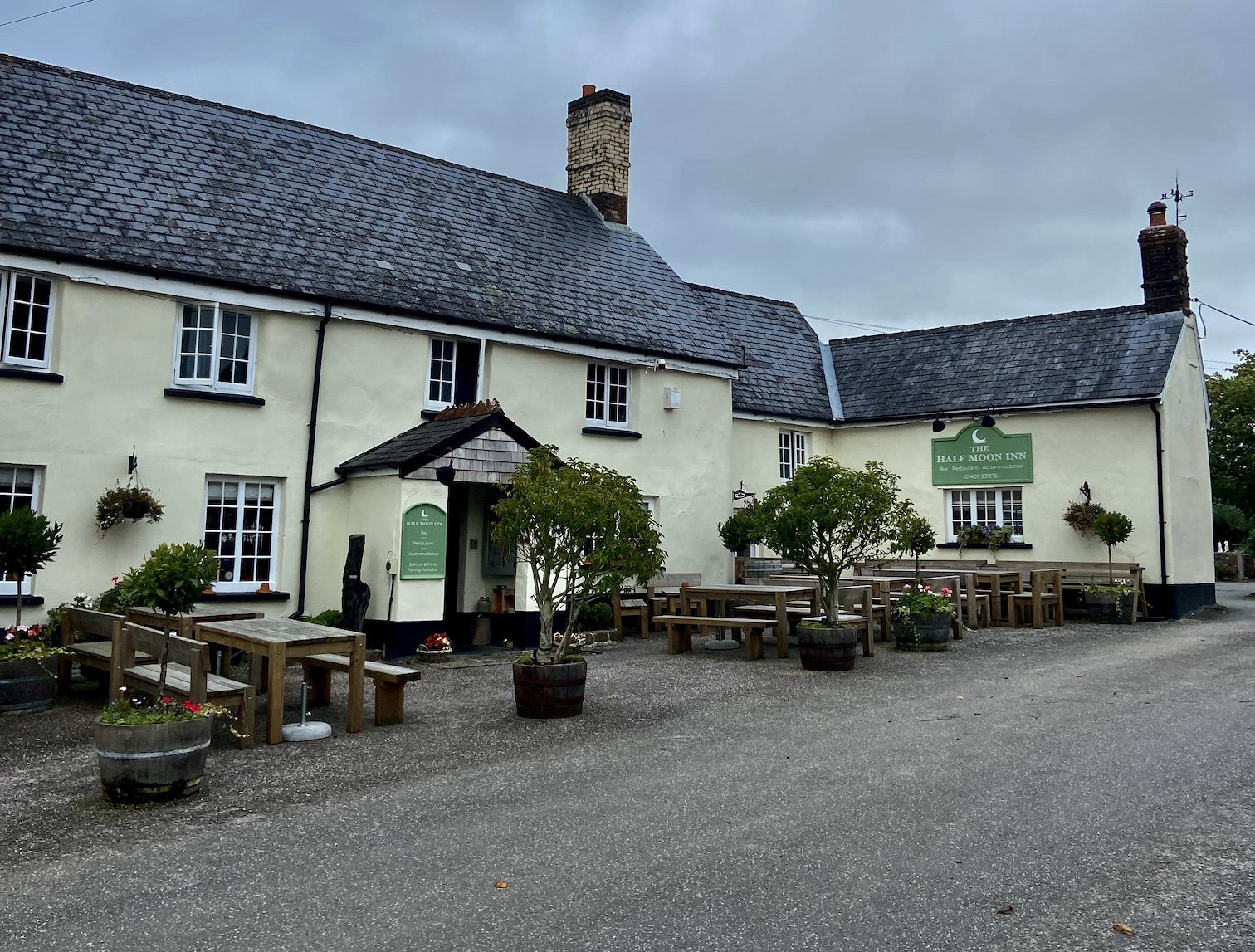
         Members of the River Torridge Fishery Association held their annual egg box dinner at the Half Moon Inn at Sheepwash last Saturday. There was talk over dinner about a fine 15lb salmon caught from the middle Torridge by Brian Lovering a 7lb salmon caught by Bernard Crick and of James Crawford tempting a fresh run silver bar of 7lb.

Little Warham Fishery

What a week to close the season at Little Warham writes Amanda :-  “Barry Mills kicked things off with an 8lb salmon caught in boat pool on the 24th Sept, followed by an 6lb salmon caught in Willow Run on 26th Sept. Jonathan Hellyer then netted a cracking 10lb hen fish in First and Last on the 28th. Well done everyone.
Meanwhile on the infamous Spey Anthony was thrashing the high waters in frustration whilst the fish just passed him by!”

 Sometimes the grass really is greener at home!


THE ANNUAL TORRIDGE FISHERY ASSOCIATION DINNER

The Half Moon Inn – A Delightful Old Fishing Inn that has been refurbished to a high standard yet still retains its tradition. https://www.halfmoonsheepwash.co.uk

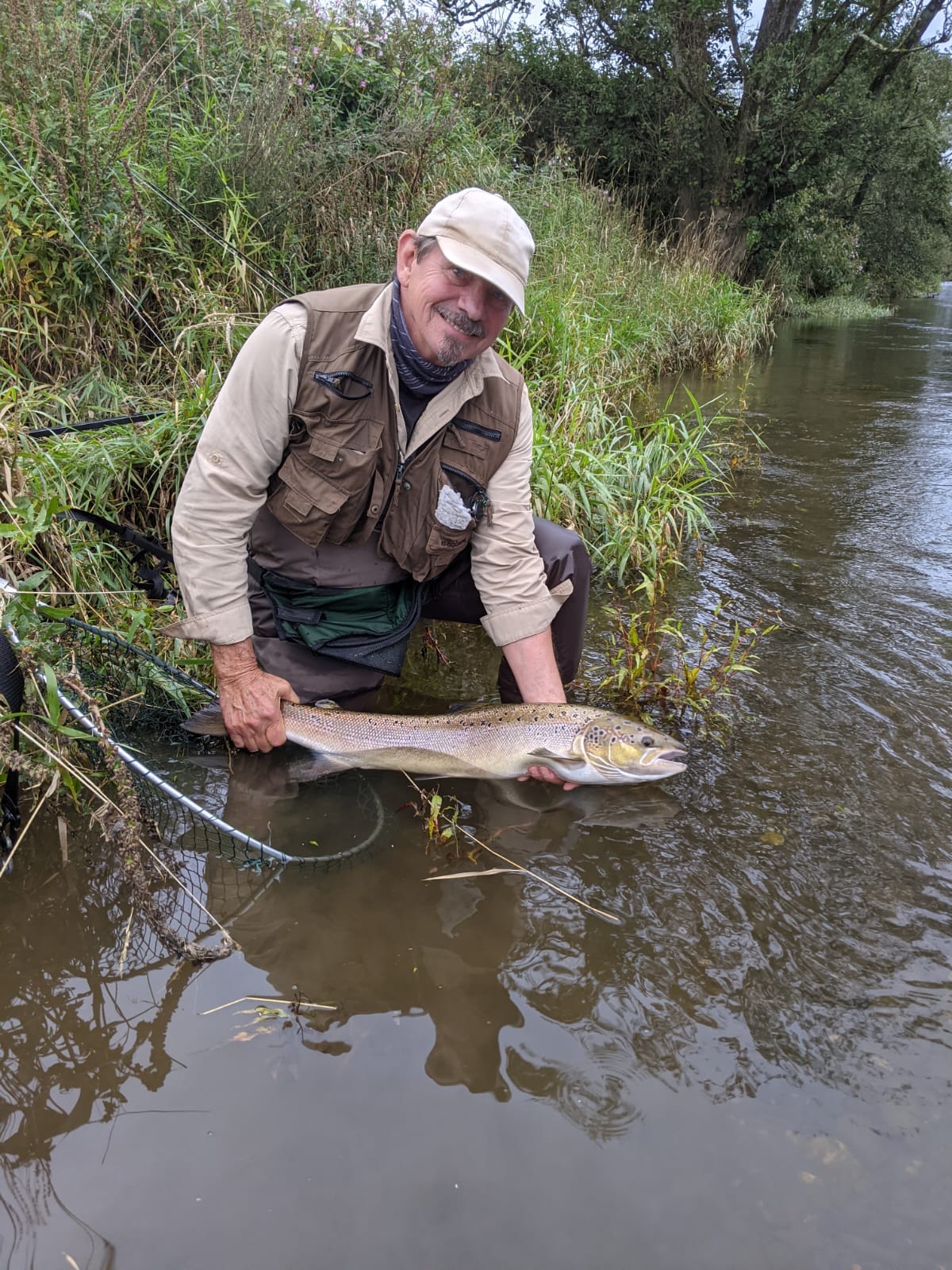
On a hot April day in 1964 fourteen year old Michael Bull went to stay at the Half Moon Inn at Sheepwash. Conditions were not ideal but a young Charles Inniss took young Michael to the river and used his fishing experience and intuition to give Michael the best chance of a fish.

       Michael cast his  spinner into a deep pool and as the metal lure touched down upon the water a beautiful silver salmon seized it. Later that evening the splendid fish lay upon the cool slate slab to be admired by the fisher folk staying at the hotel.

       Close to sixty years on Michael and Charles share  vivid memories of that glorious spring day at the Torridge Fisheries Annual Egg Box dinner. The Annual Dinner brings members from far and wide to celebrate the seasons, share stories and raise valuable funds towards the hatchery that members hope will stem the dramatic decline in salmon numbers.

       It is to be hoped that the hatchery will be up and running later this Autumn after lengthy consultation with the Environment Agency.

       Michael told me it took a further three years to catch his next salmon but he was of course hooked for life and has been revisiting the Torridge and the Half Moon ever since lending support to the Association and staying at this delightful old fishing Inn.

       Attending the annual dinner with Pauline each year gives a deep appreciation of the bond formed beside the water and how the quest for those iconic migrants is about so much more than rod and line.

       That deep connection with the river its environment and the fish within illustrate all that is good about angling. The well-respected carp angler Jim Gibbinson entitled his book on fishing; “ A Glorious Waste Of Time”.  I’m sure those dining at the Half Moon would drink a toast to that!

       As we left I commented to Adam behind the bar that it had not been the best of Seasons. He replied cheerily that “next season will hopefully be better”.

The eternal optimism of the angler will ensure that next March as the wild daffodils bloom flies will be cast in hope of silver.

       I will leave it there safe in the knowledge that whilst there are those who care deeply for the river and its fish there is hope.

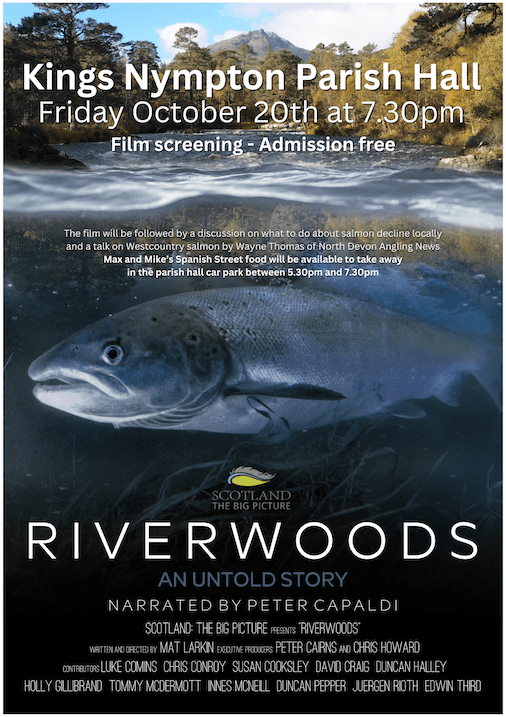
RIVERWOODS FILM

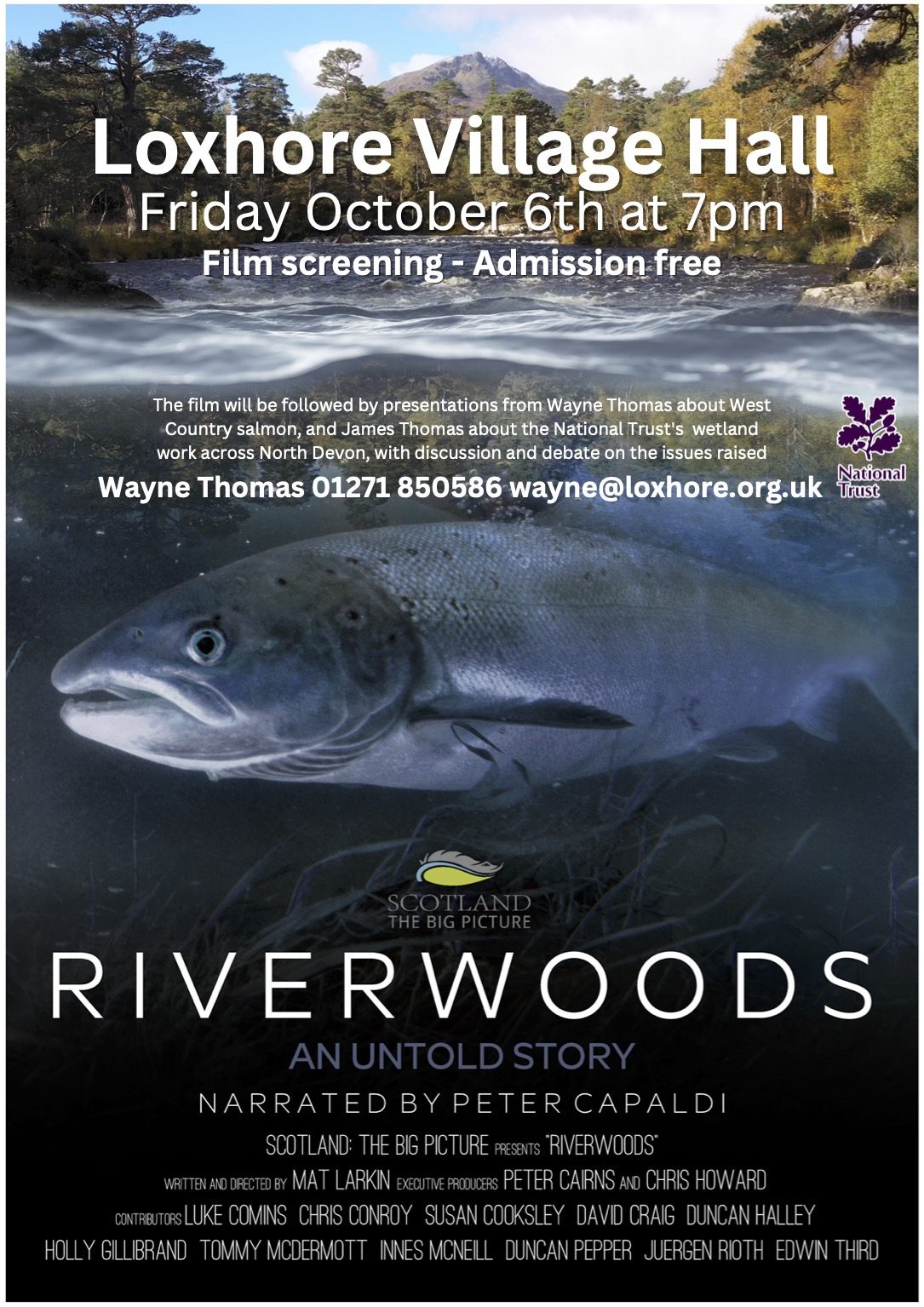
I will be hosting the film Riverwoods with the National Trust at Loxhore Village Hall on Friday. October 6th at 7.00pm. Tbe film will be followed by presentations and discussion on rivers salmon and wildlfe. A very relevant evening in light of the latest news highlighting the dramatic declines in nature. I look forward to catching up with a few of you on the night.  Tea, Coffee and biscuits will be provided.

Notes from the river at the Seasons End

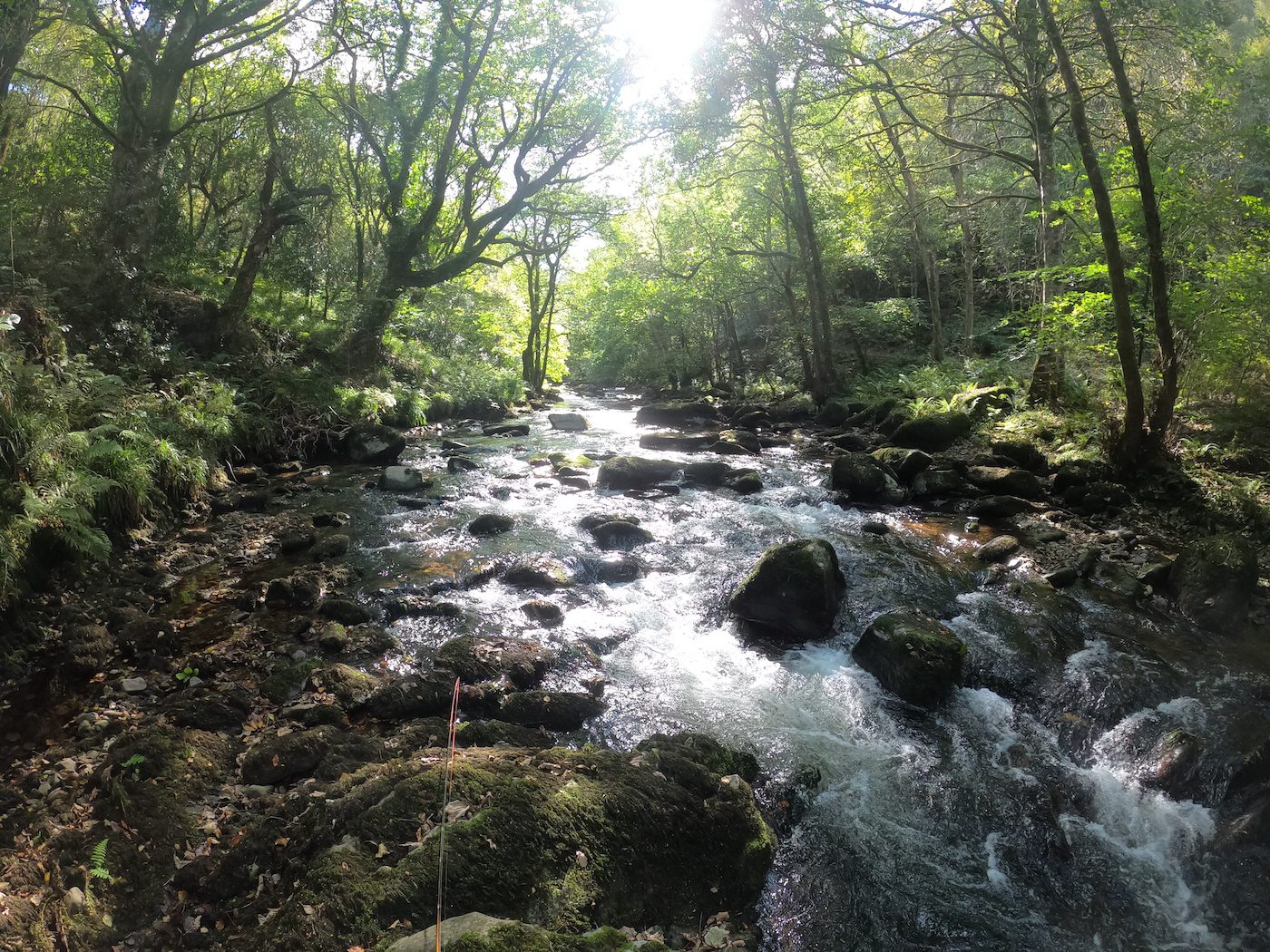
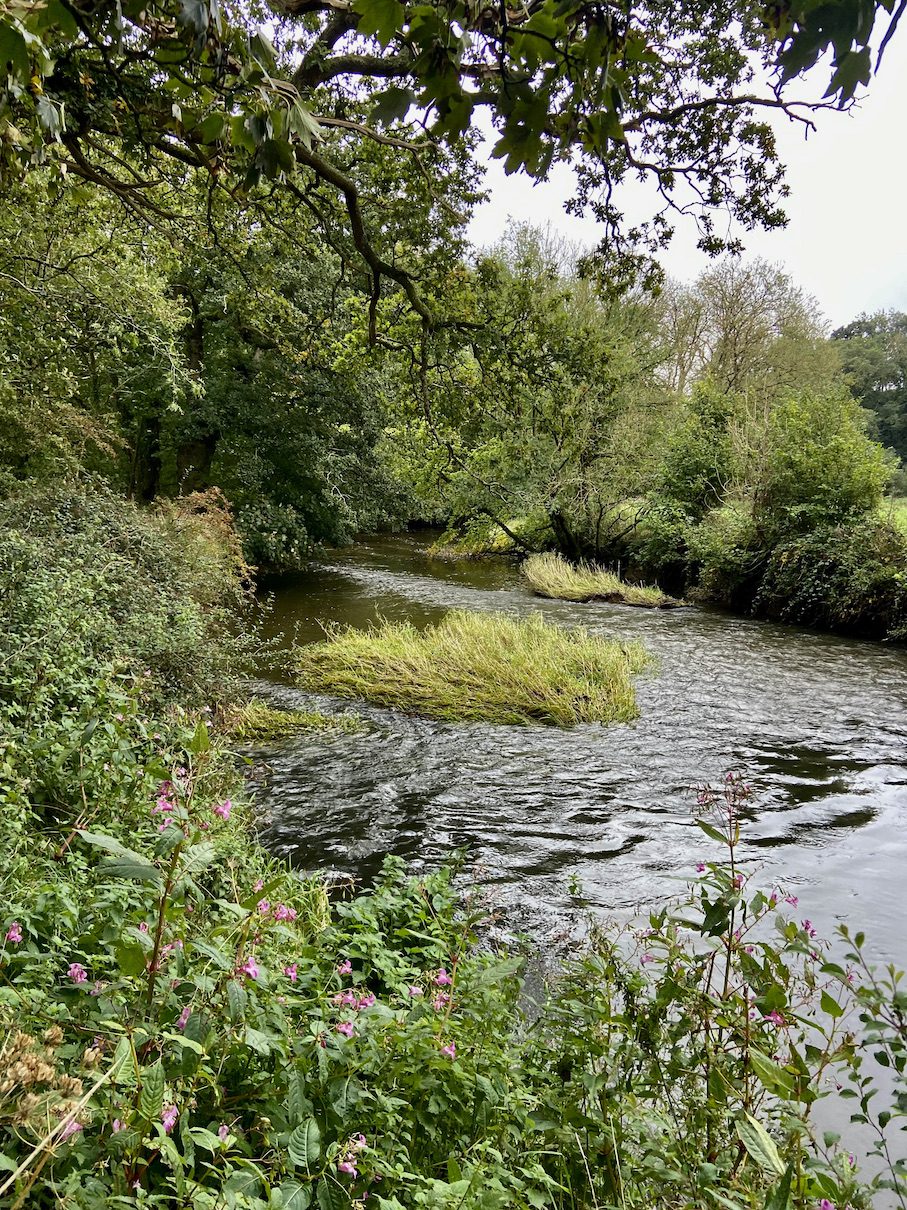
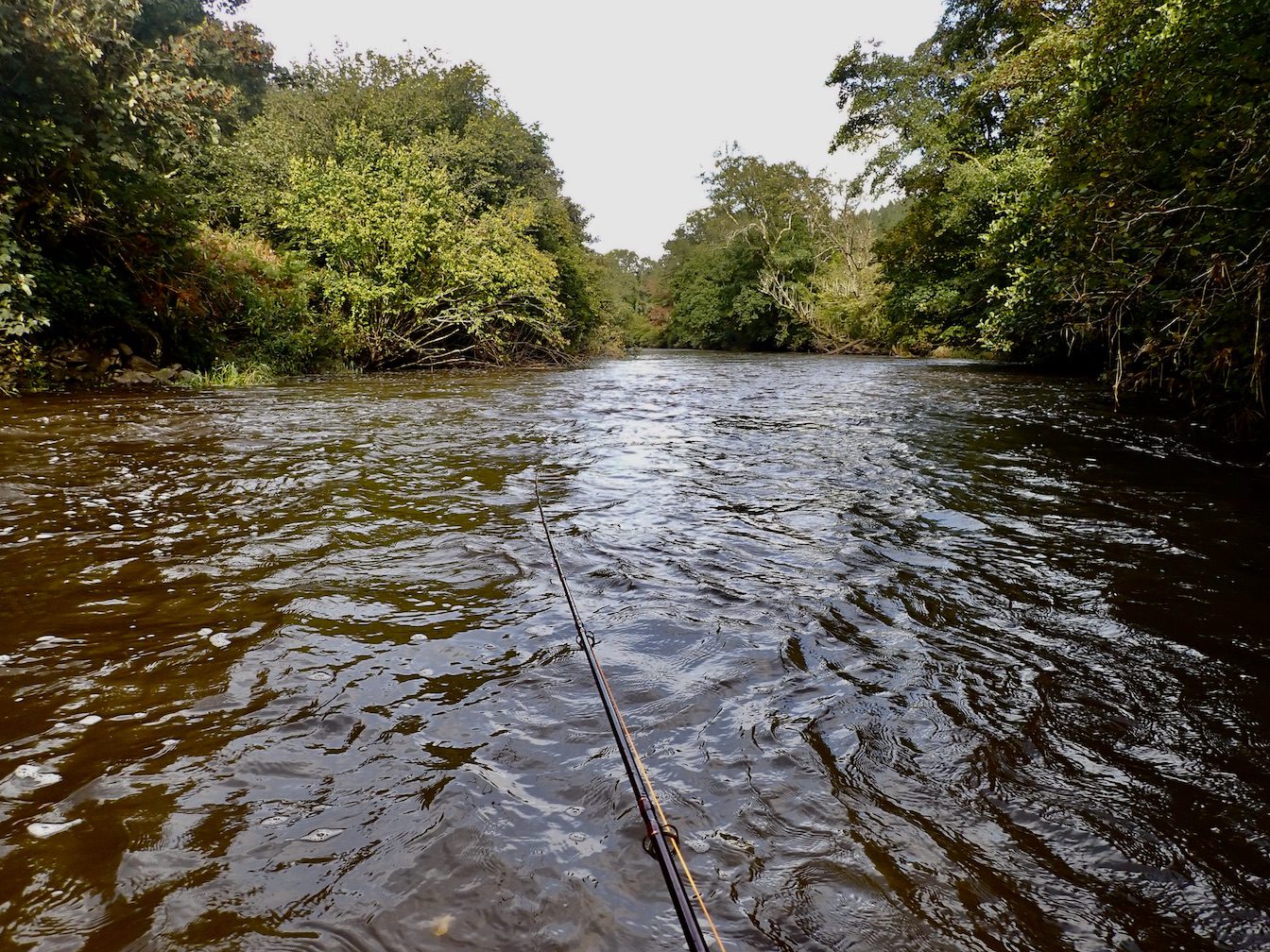
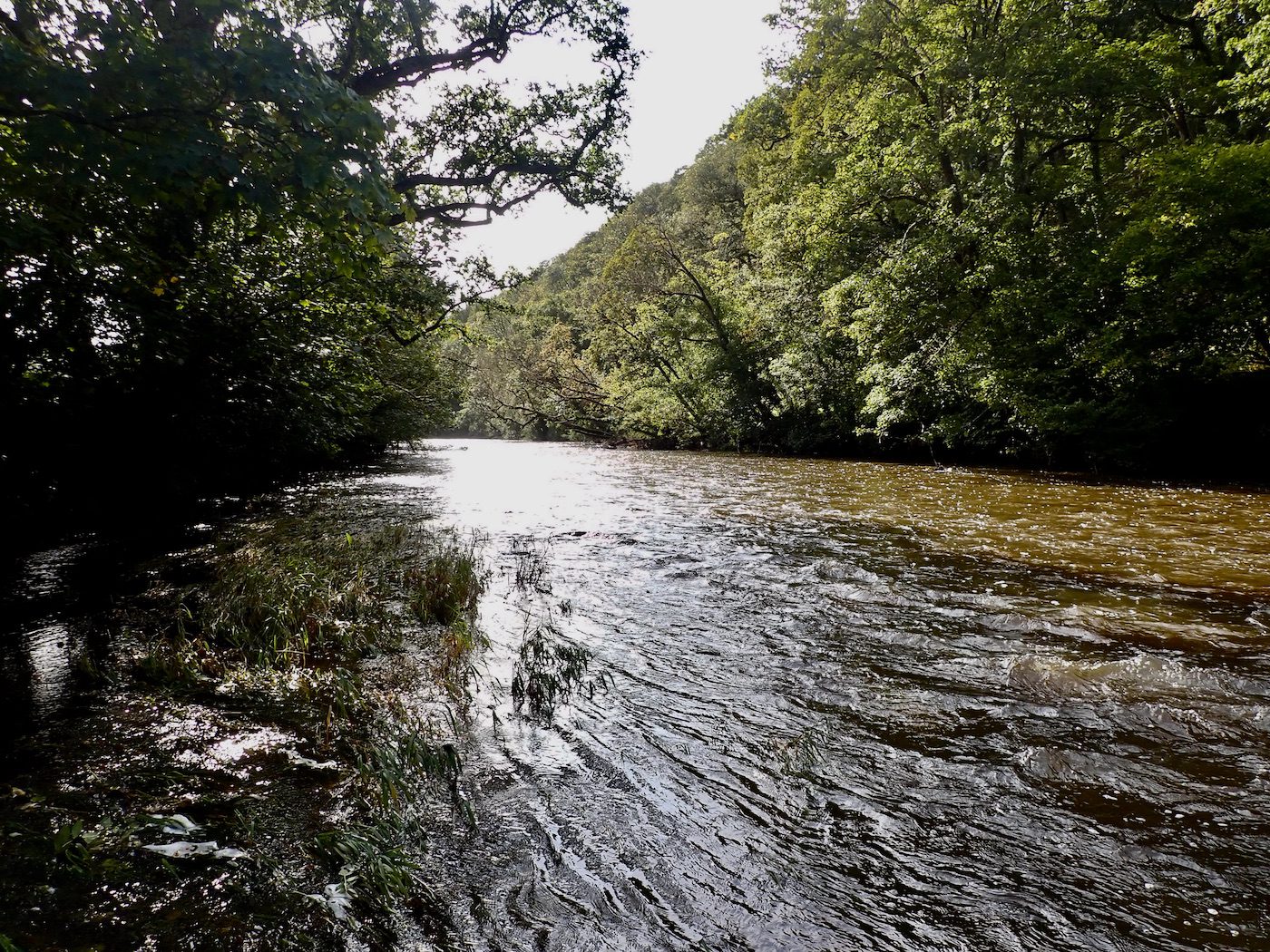
I fished the river yesterday and it was too high and coloured. I return today and its dropped a bit with less colour

Warm September sunshine the  river dropping, It feels right If a little high. I select the fly and wade out.

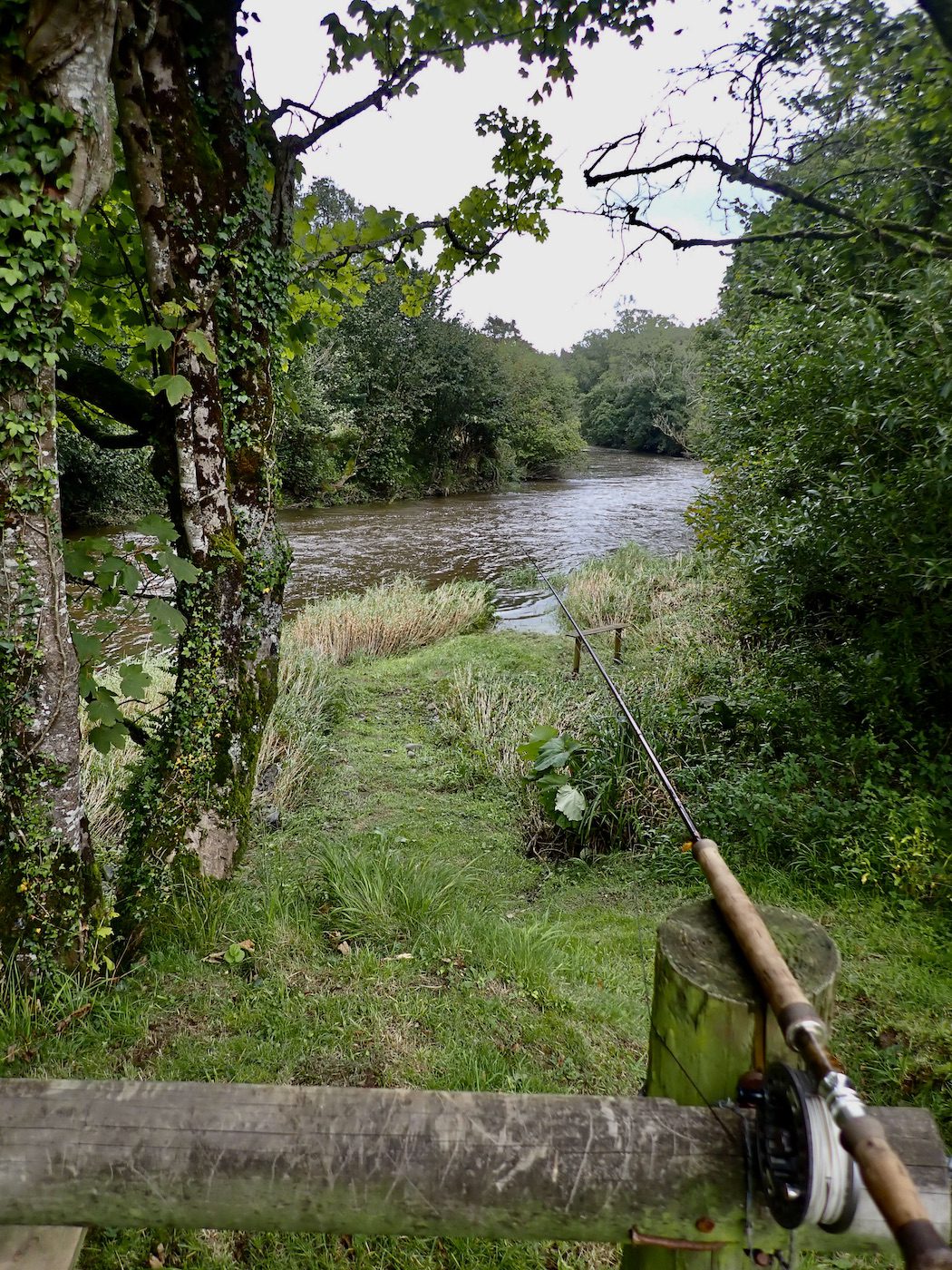
The cast is good I feel I’m doing everything right, each cast the line unfurls and the fly drops in the right place. Swing it around in the current expectation as the fly passes familiar lies.

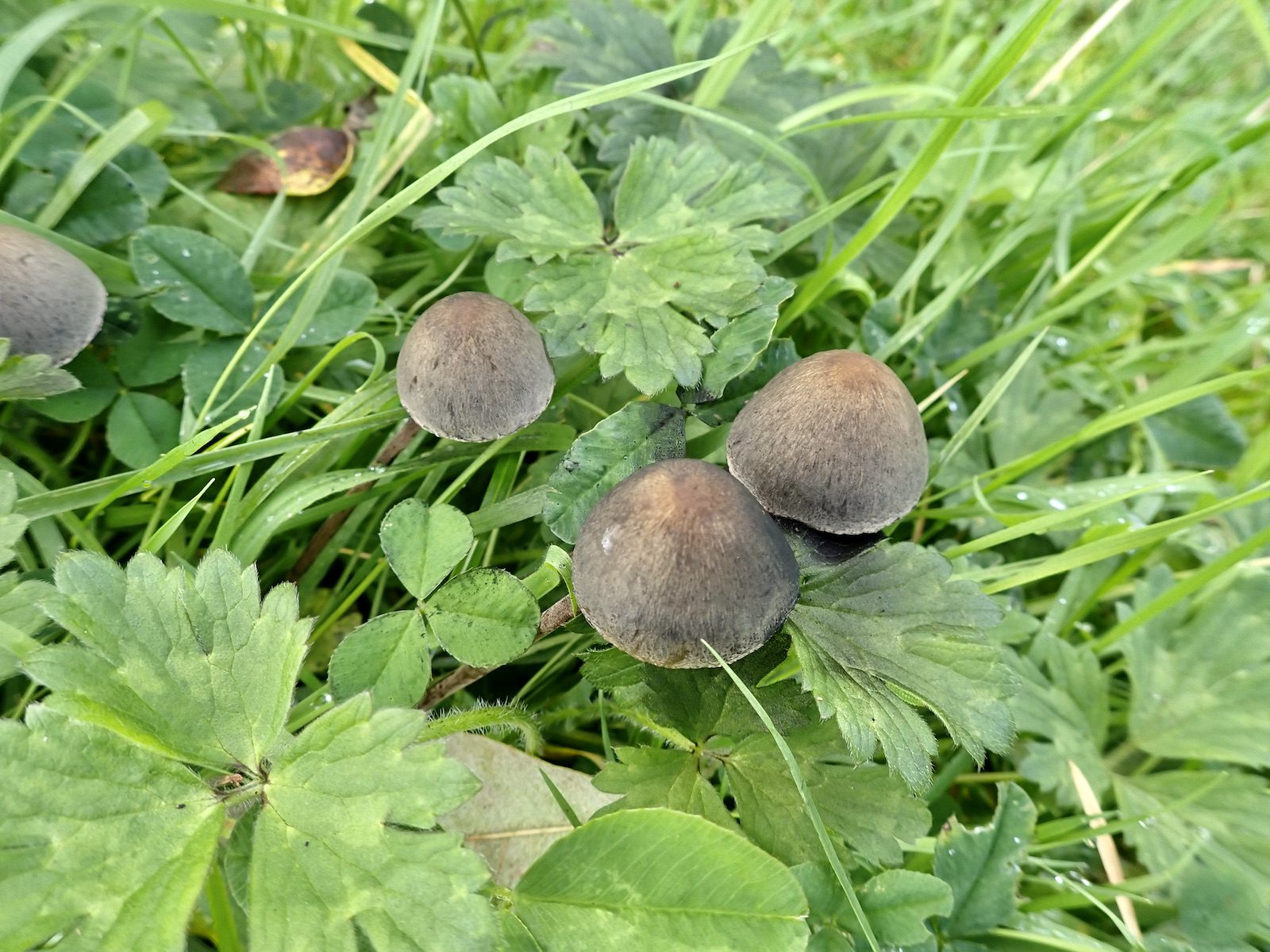
As I walk the riverside field’s I note the fungi,  hazelnuts and the subtle changes that tell of seasons end.


At the top of the beat I look up river to briefly glimpse the graceful roll of an otter. As I climb from the river having fished the pool through a kingfisher brings a flash of electric blue.

Its hard to believe that another season has come to an end. It seems only yesterday that I walked the banks as the wild daffodils bloomed.

SEASONS END


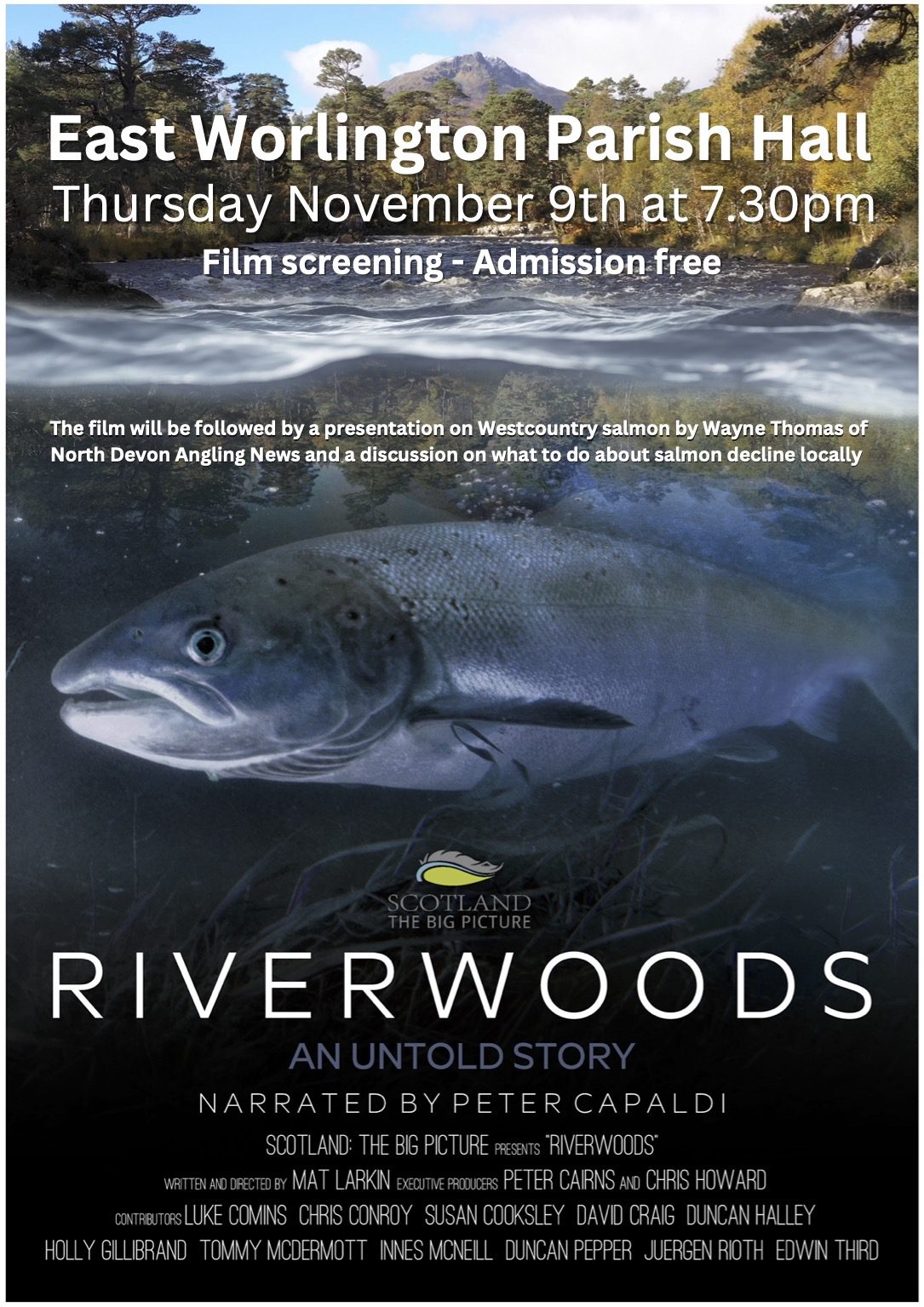
RIVERWOODS NIGHT AT LOXHORE

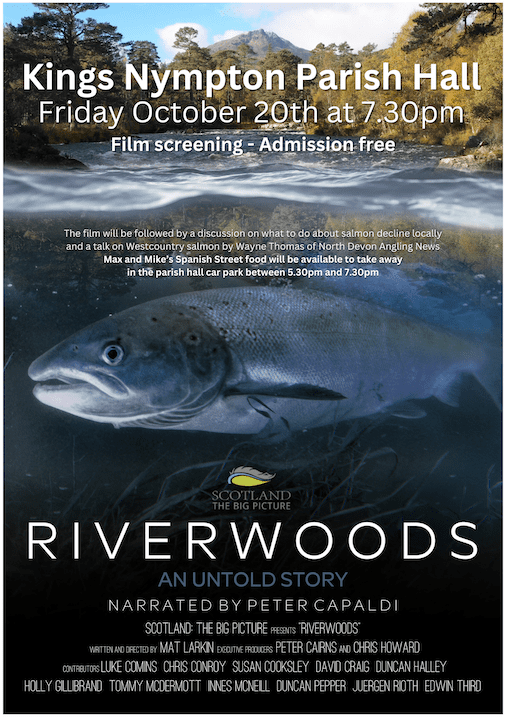
On October 6th North Devon Angling News will be hosting a screening of Riverwoods supported by the National Trust and Adrian Bryant from Braunton’s Countrywise Centre . The film is an evocative documentary highlighting the decline of salmon and how this catastrophic collapse of natural ecosystems can be prevented.

The film will be followed by short presentations from National Trust Wetlands Ranger James Thomas and Wayne Thomas talking from the heart about salmon populations across the West Country. Refreshments will be provided to enjoy with discussion and debate around the issues raised.

THE CHALLENGE – SALMON IN HOT WATER

Over many centuries, the loss of natural woodlands alongside rivers has profoundly changed their ability to support the salmon runs that once flourished. Today, many of Scotland’s rivers run through bare, treeless glens, reflecting the ecological decline that we have come to accept as normal.

Fallen tree and rootplate in River Enrick, Loch Ness, Scotland.
The three tributaries of the River Affric. Allt Gleann Gniomhaidh, Allt Cam-ban and Allt a’ chomhlain meet at the base of Ciste Dhubh. Glen Affric, Scotland.

Within those rivers, the King of Fish is in crisis. Atlantic salmon rely on cold, clean water and are susceptible to pollution, abstraction and rising river temperatures due in part, to a lack of river woodlands that would once have shaded and nourished our rivers.

A delta of the River Feshie, lined by regenerating riparian woodland, in the Cairngorms National Park, Scotland.

Restoring a rich mosaic of woodland habitats to Scotland’s river catchments is a vital step in providing food and sanctuary to young salmon, giving them the best chance of migrating to sea before returning as titanic adults to their natal river to give life to the next generation.

Fast facts:

  • Only 3% of Scotland’s native woodland remains.
  • More than 90% of all living Atlantic salmon measure under 12cm, making young fish in particular, susceptible to rising river temperatures.
  • Salmon eggs can survive water temperatures up to 16c. In a changing climate and without the shade afforded by trees, recorded water temperatures in some of Scotland’s rivers are exceeding the lethal limit for Atlantic salmon.
  • At any given time, 90% of the world’s salmon exist in rivers, placing an emphasis on restoring their freshwater habitat.
  • In the 1960s, 30% of adult salmon returned from the sea to spawn; today that figure is 3%.

RIVERWOODS – the initiative

Riverwoods is a broad partnership of organisations, focused on restoring a network of riparian woodland* and healthy river systems throughout Scotland, and increasing the ecological connectivity between land and rivers.

Learn more here:  https://www.riverwoods.org.uk/

*Riparian woodland includes trees and woods within a river catchment, that influence river processes such as recycling nutrients, storing carbon and regulating water temperature, and flow. This includes instream woody structures, gorge and floodplain woodlands, wet and bog woodlands, and those far beyond the riverbank that still shape and govern river processes.

Fallen tree and rootplate in River Enrick, Loch Ness, Scotland.

Why are river woodlands special?

Native trees and shrubs next to rivers, streams and lochs perform a range of vital functions. They provide shade, which helps regulate the temperature of the water; their roots stabilise riverbanks and offer vital shelter to young fish; leaves and insects falling into the water provide a valuable food source for a range of aquatic creatures, and a rich tapestry of vegetation locks away carbon, filters pollution and slows run-off.

RIVERWOODS – the film

The salmon need the forest. The forest needs the salmon. And Scotland needs them both.

Riverwoods is a spectacular and compelling story of Scotland’s Atlantic salmon –  a fish that is the angler’s ultimate prize and a key building block in a complex forest ecosystem.

The feature-length documentary filmed and produced by rewilding charity SCOTLAND: The Big Picture,shows how Scotland’s rivers have been greatly diminished but crucially, how they could be reborn through a shared vision of restoration and recovery.

  1. Restoring river woodlands at a catchment scale is an effective nature-based solution to help secure the future for Atlantic salmon.
  2. River catchments with a mosaic of native woodland habitats, sequester carbon, reduce erosion, improve water quality and slow catchment run-off.
  3. The health of Scotland’s rivers and the life within them, is directly dependent on the health of the landscapes through which they flow.
  4. HOW YOU CAN HELP
  • Tell your friends, family and work colleagues about the Riverwoods film and encourage them to attend one of the film screenings (it’s free!).
Atlantic salmon (Salmo salar), female, on its migration up river to spawn, in an Environment Agency fish trap (which is a salmon ladder with gates that the staff open once they have recorded the fish).
England: Cumbria, Carlisle, River Caldew, Holme Head weir, November