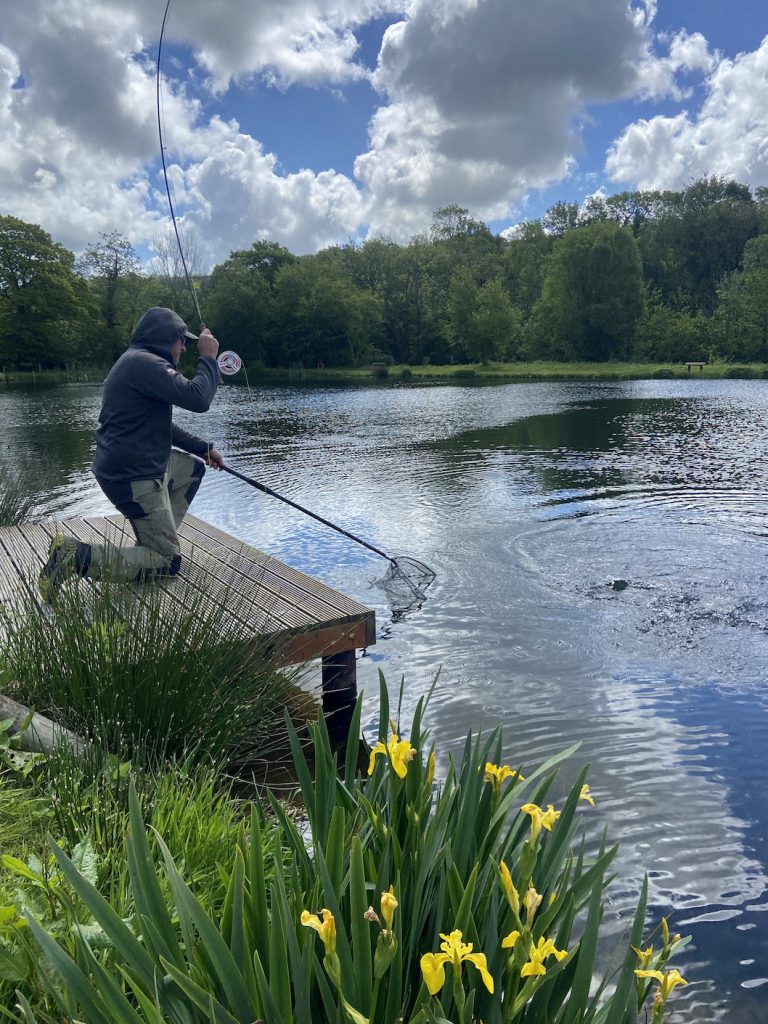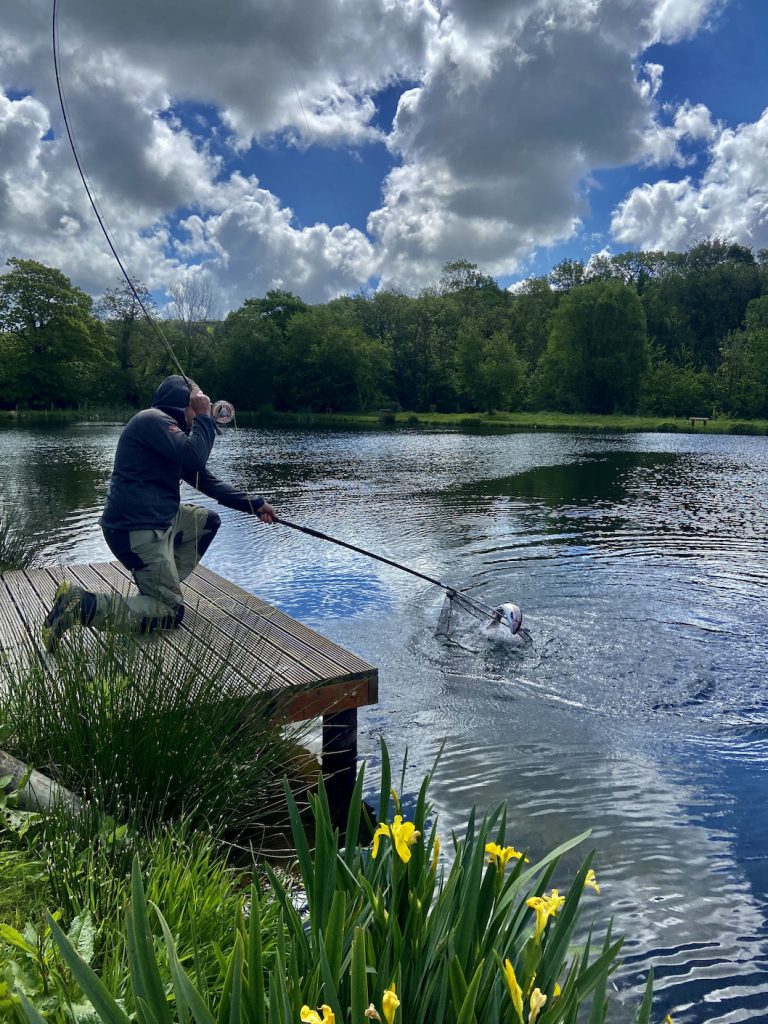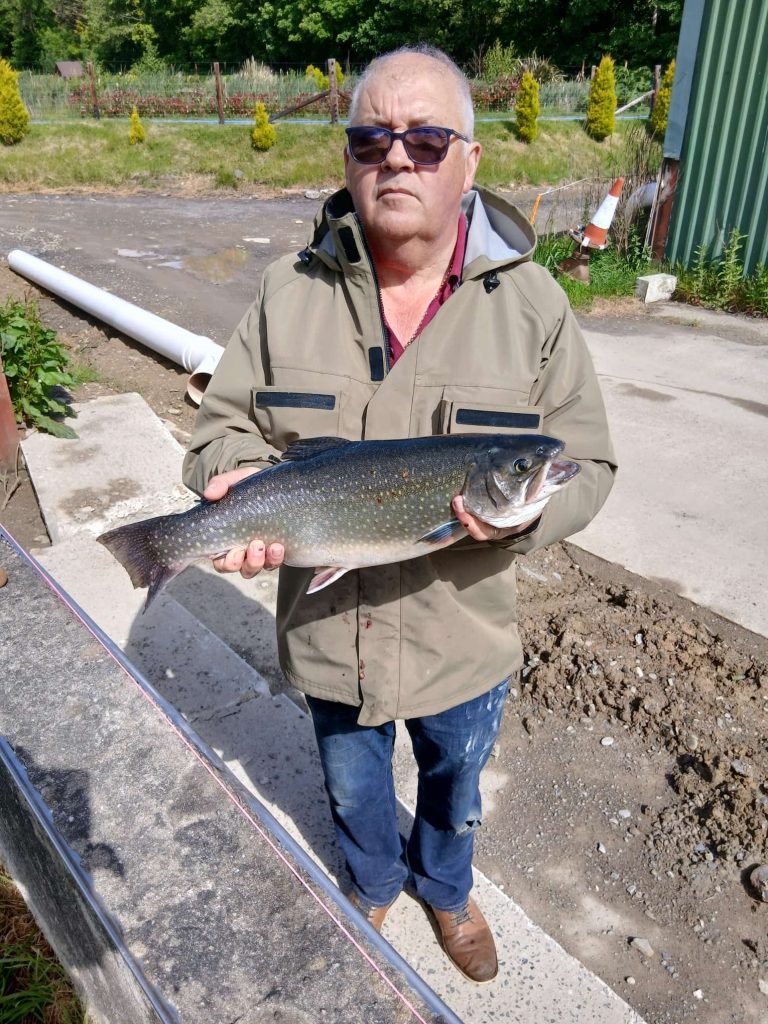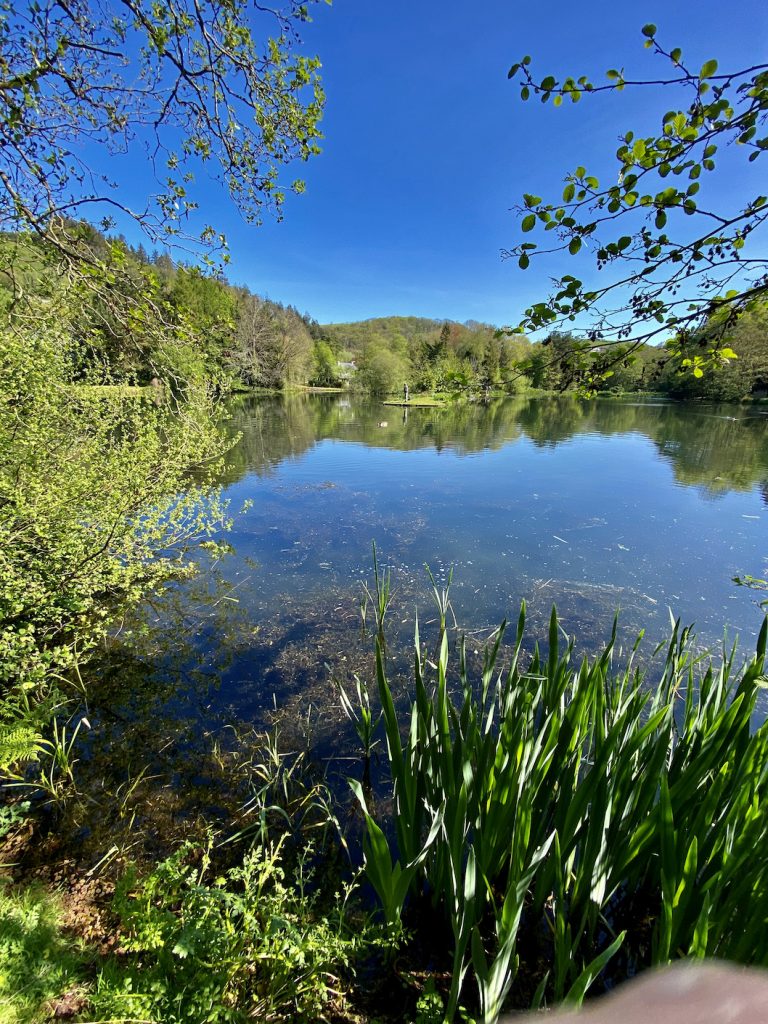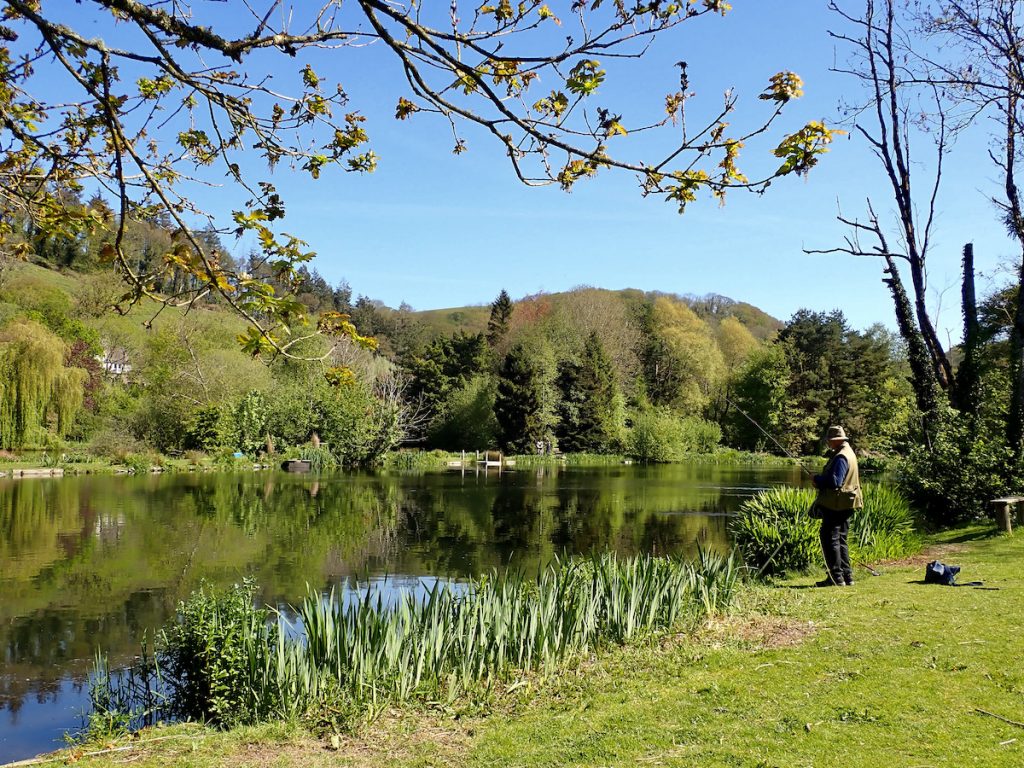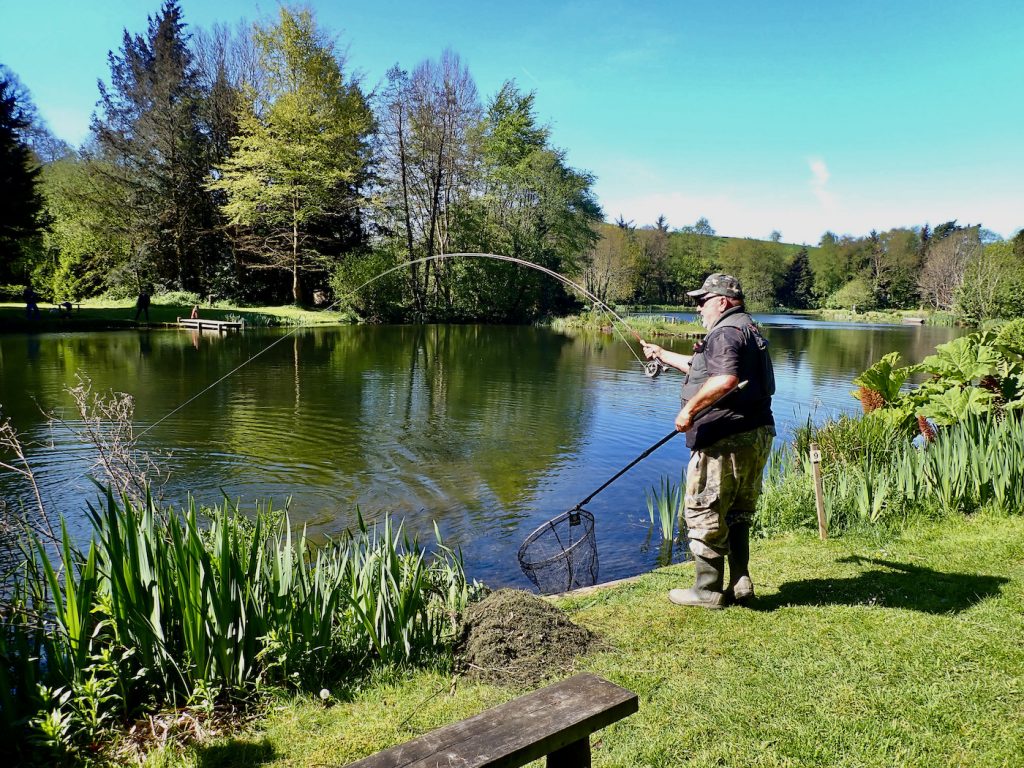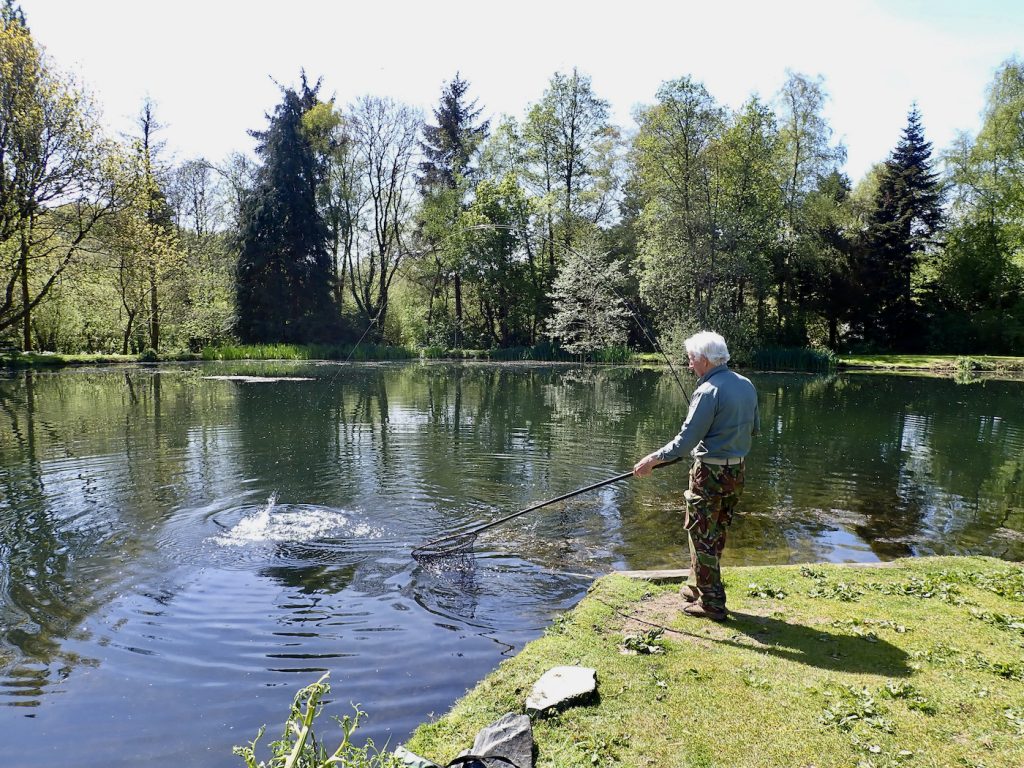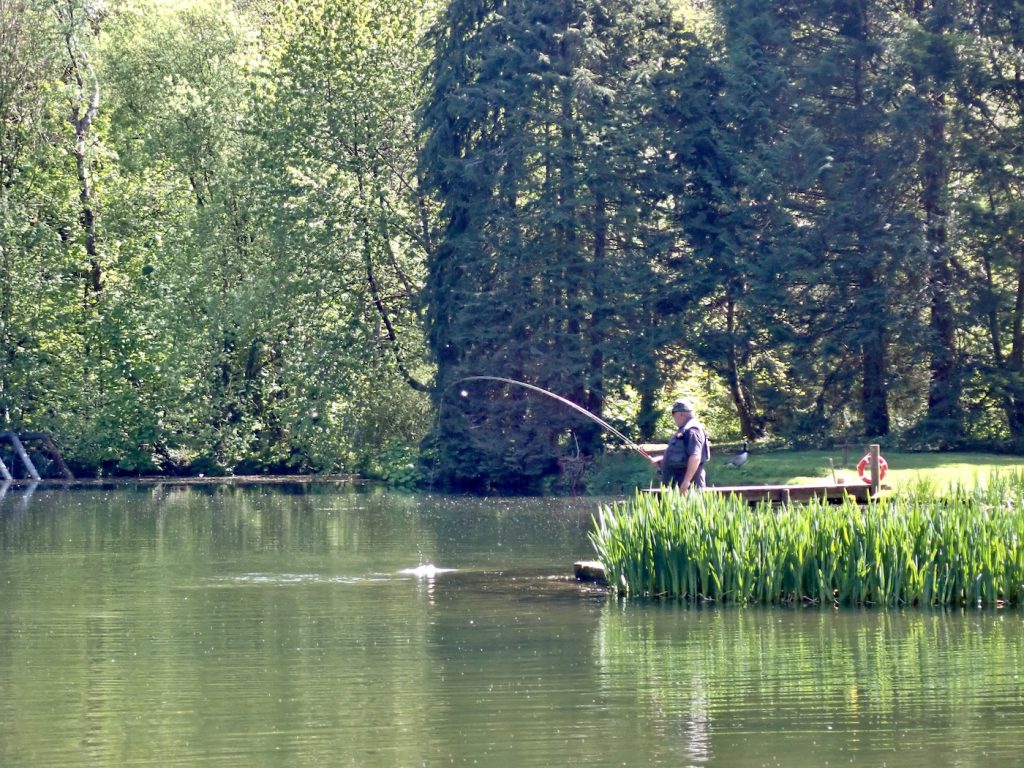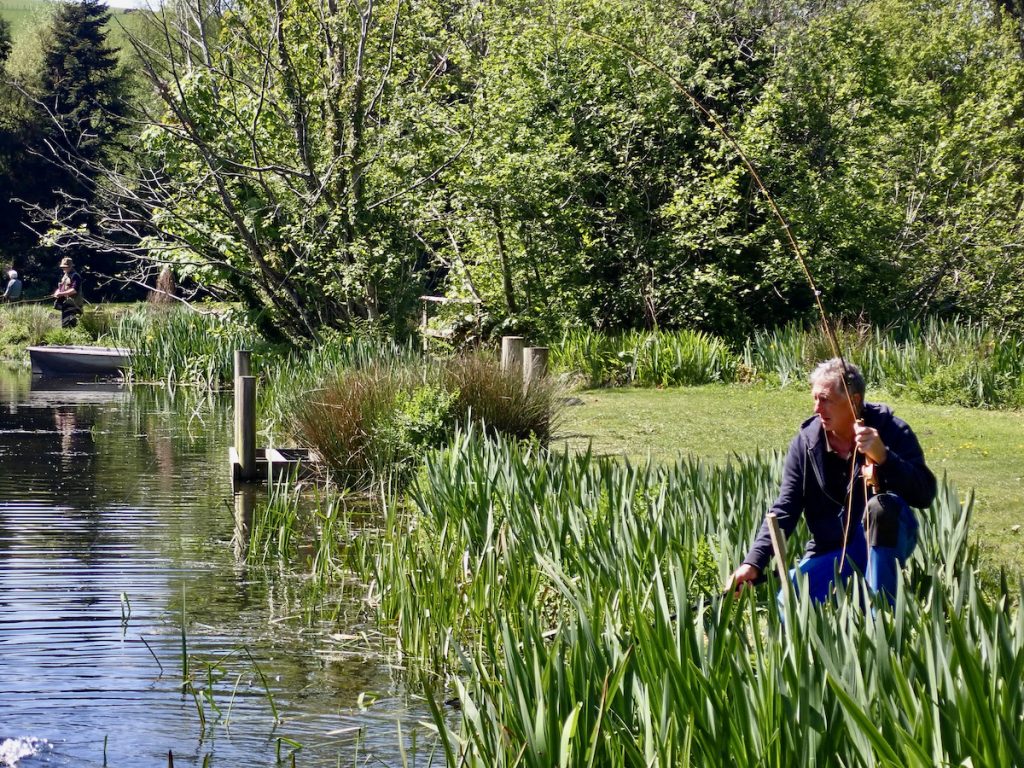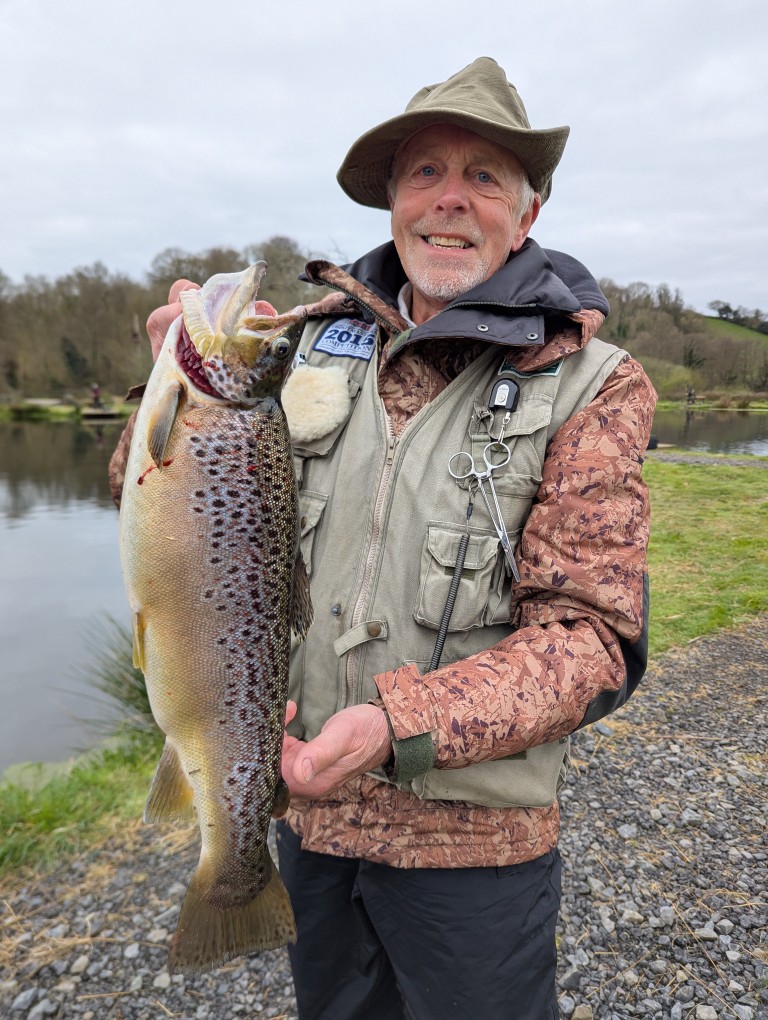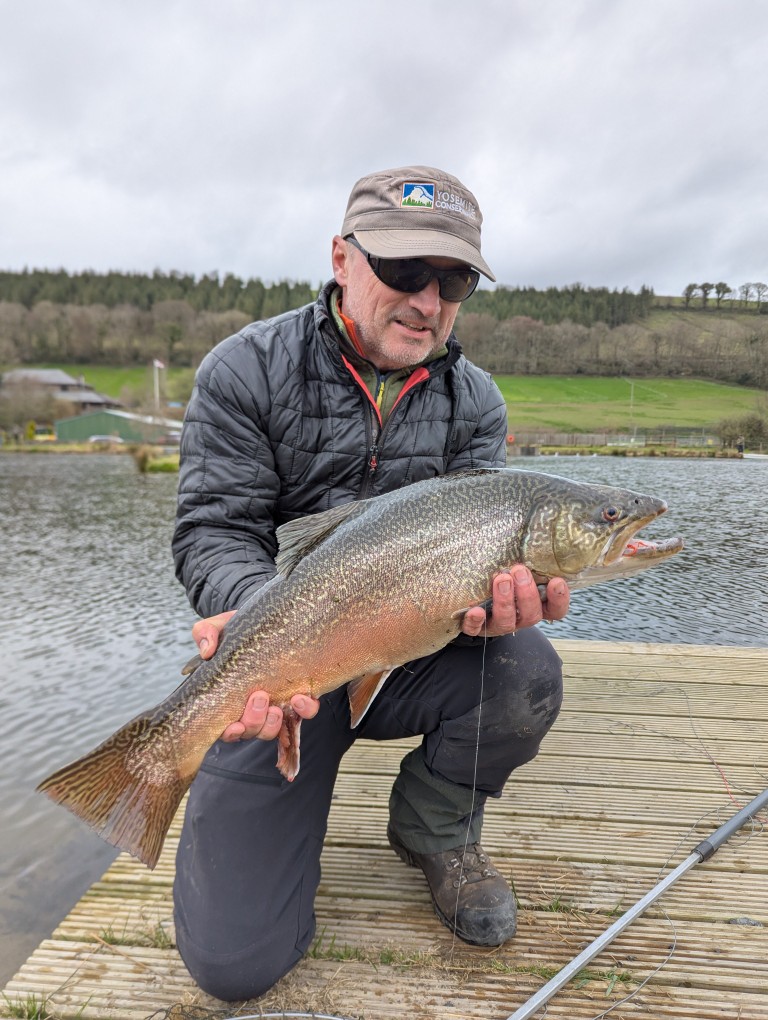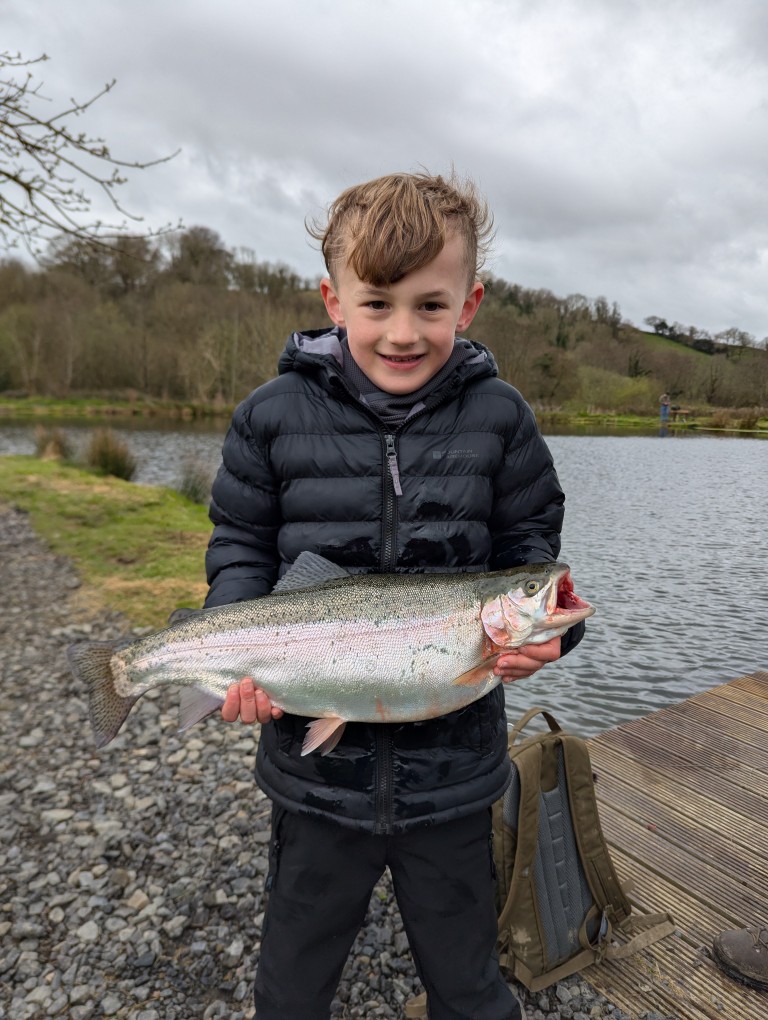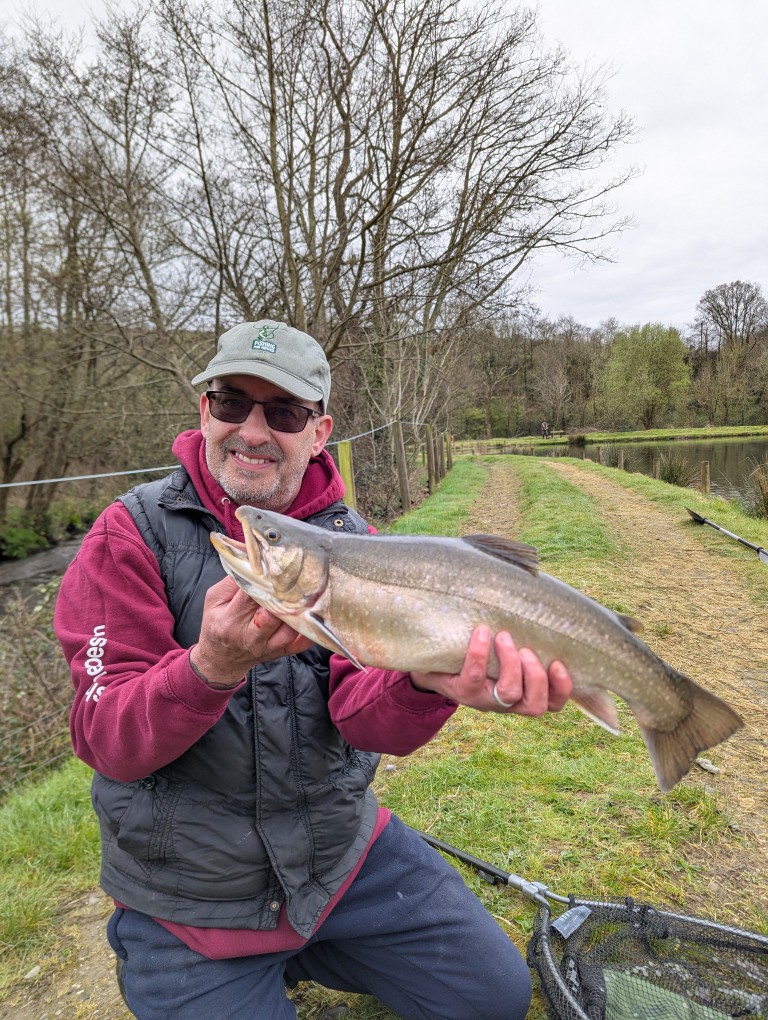
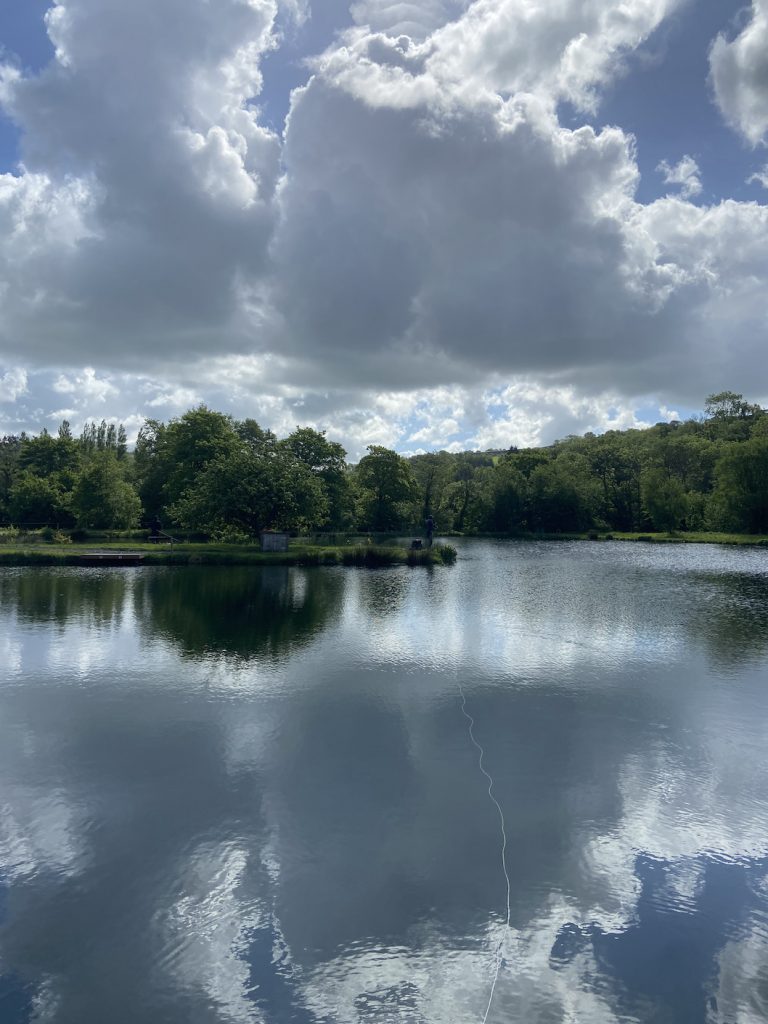
An Autumn Day at Wimbleball – Exmoor’s Premier Trout Water
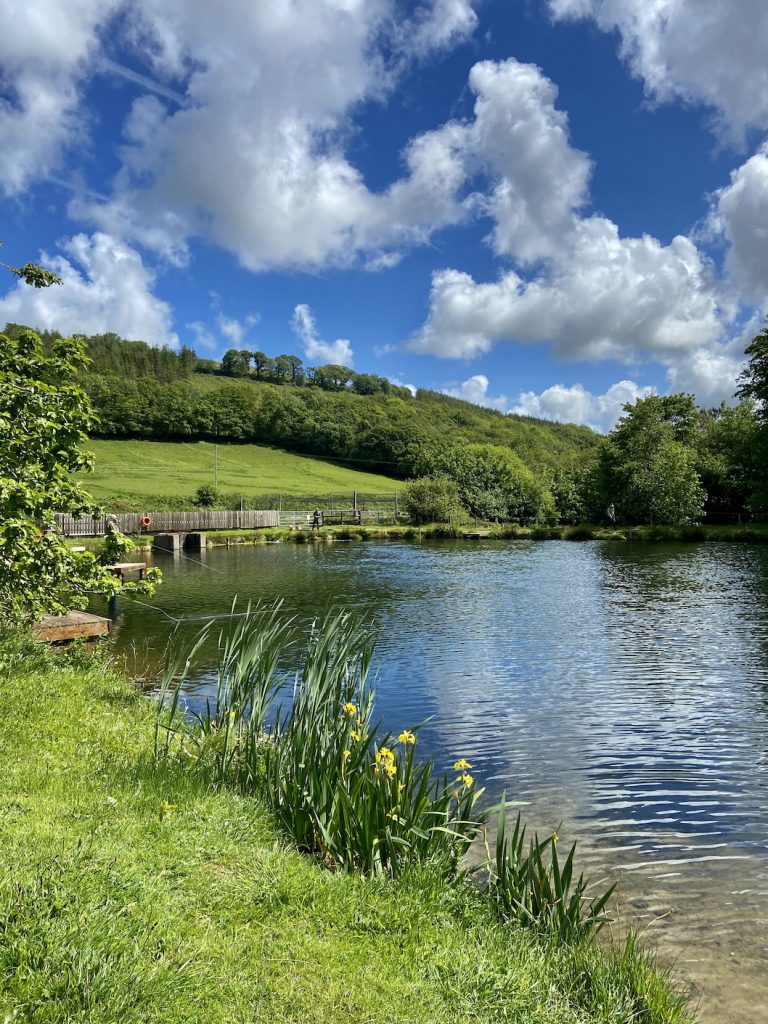
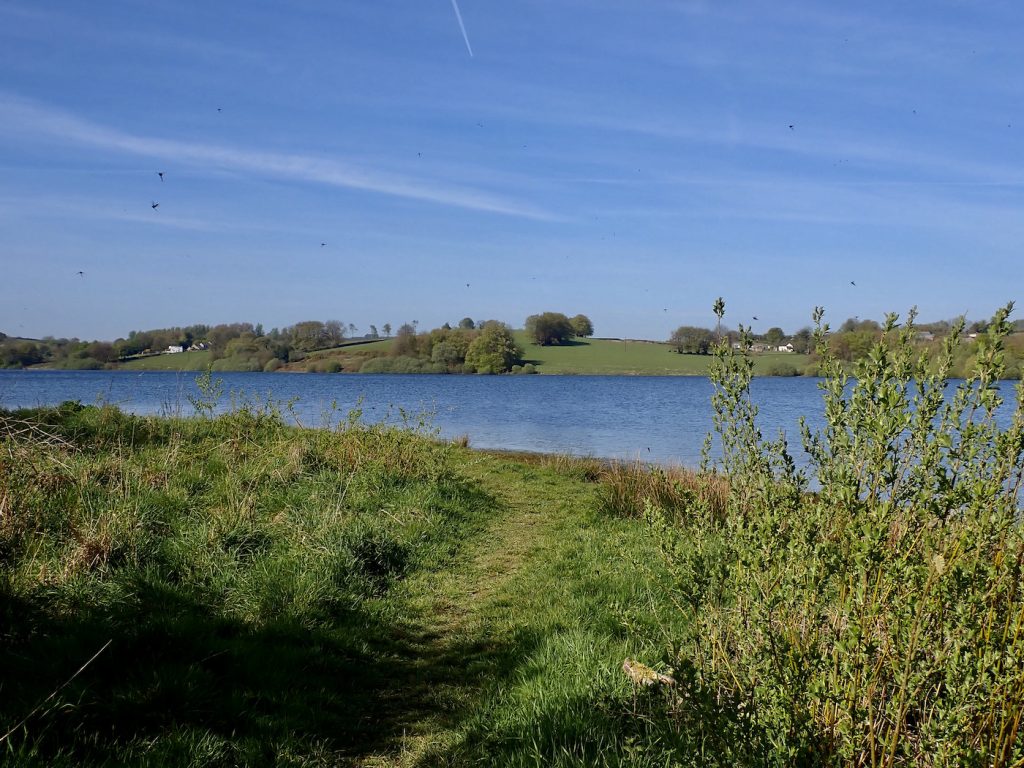
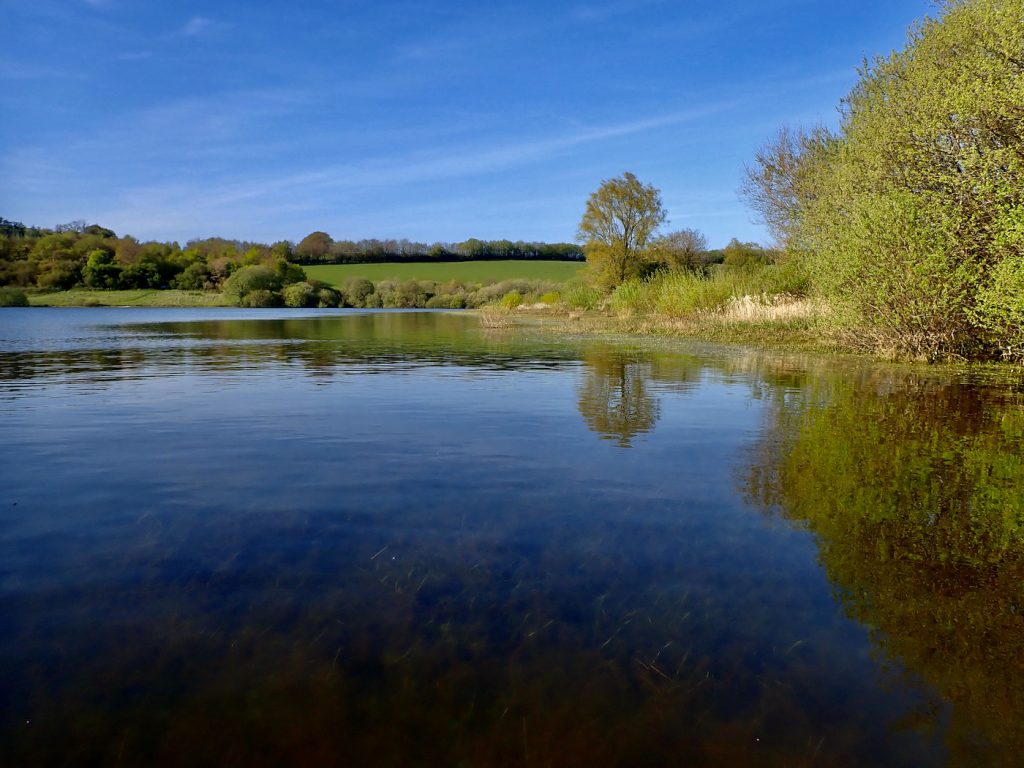
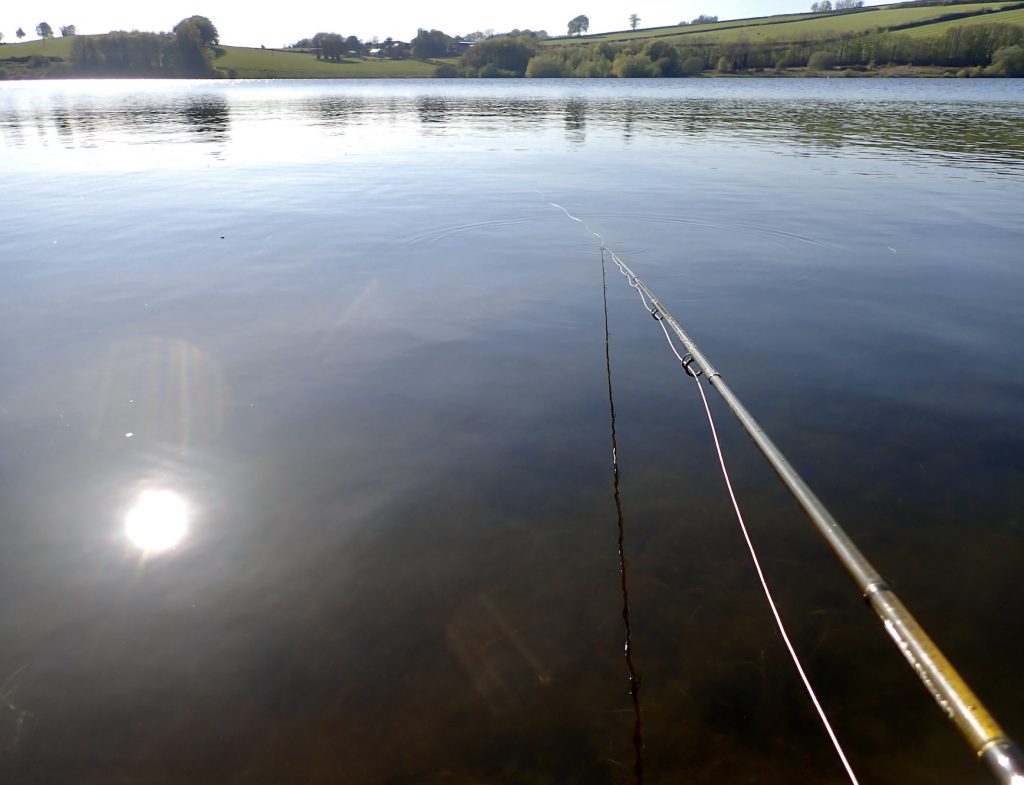
It had been too long since my last visit to Wimbleball Reservoir and on arrival at the lake shoreline I was shocked to stand at top water level and gaze at the distant boat launching pontoon far away at the water’s edge.

The lake now at less than 30% capacity demonstrates the impact of a dry spring followed by a long dry summer. The recent Autumn rainfall has had little impact so far and we can only hope for a very wet winter to restore the reservoir to full before next Spring. Abstraction from the River Exe will be key for Wessex and South West Water in achieving this goal for the lake is a shared resource that provides water across Devon and Somerset. I believe there are plans to build a new reservoir adjacent to Cheddar Reservoir that will take some of the load off Wimbleball but this is several years away.
There was a brisk North West Wind blowing which would undoubtedly influence where to fish. After loading the boat I headed up to Bessom’s an area that had been producing and is often productive at this time of year.

The road bridge stood high and dry a stark indication of the low level already mentioned. Autumn leaves in shades of bronze stood as a backdrop to the scene. It was indeed well worth visiting the lake to witness the banks revealing scars from its living past before the huge concrete dam held back the River Haddeo that joins the River Exe a mile or so below Dulverton.
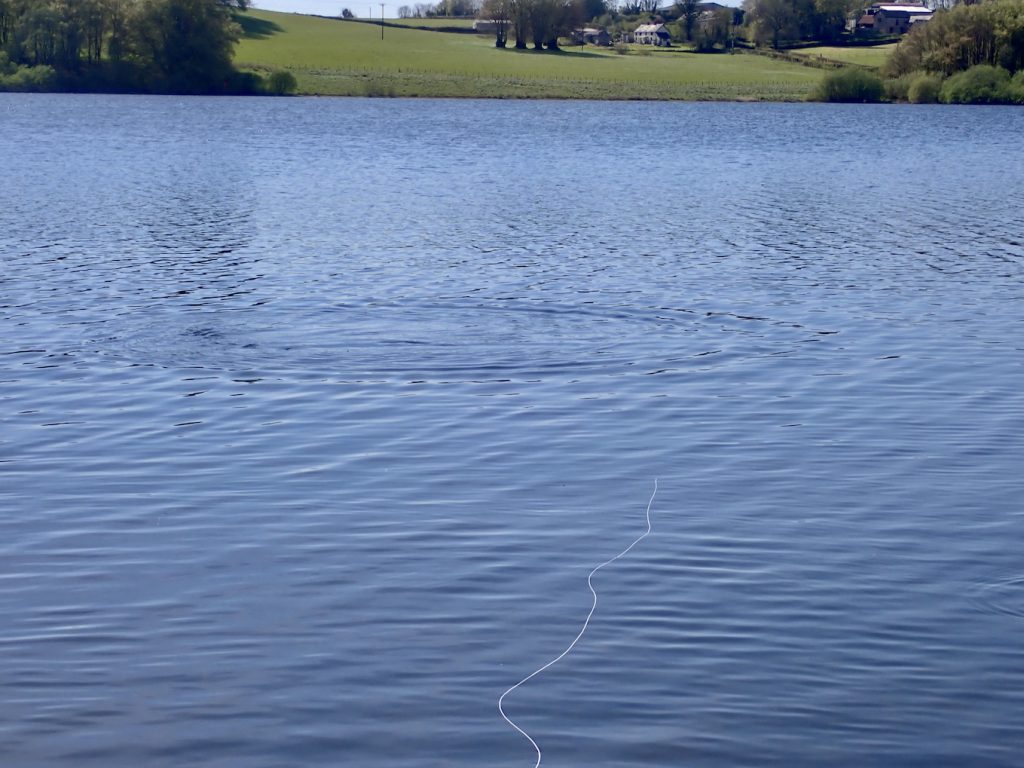
The water at this shallow end of the lake was rather murky as a result of recent rain. I thought this could be the reason I could get no action as I searched the water with my flies. I headed to the dam end of the lake and passed the two other boats fishing the lake. I enquired as to success to be told that they too were struggling to find the fish.

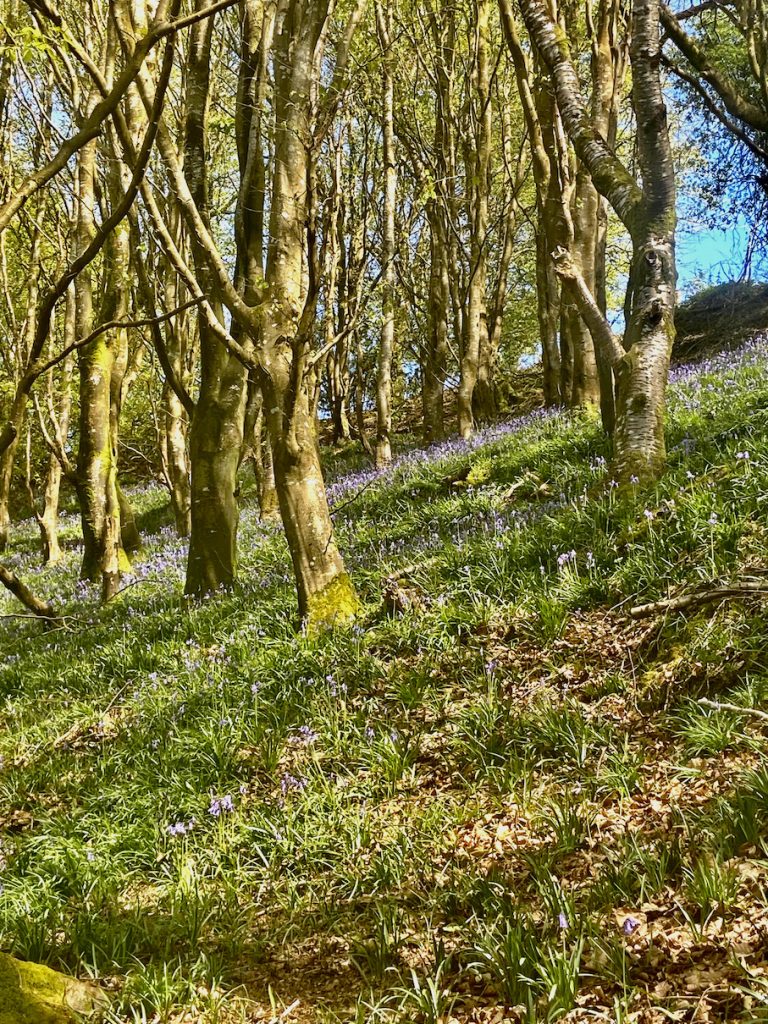
I ventured into the deeply wooded Upton Arm hoping to find some shelter but the North West Wind seemed to be increasing in strength making fishing difficult. It was fascinating to explore the steep slopes with the rotting roots of tree’s an eery testament to the valley that was flooded in the late 1970’s.


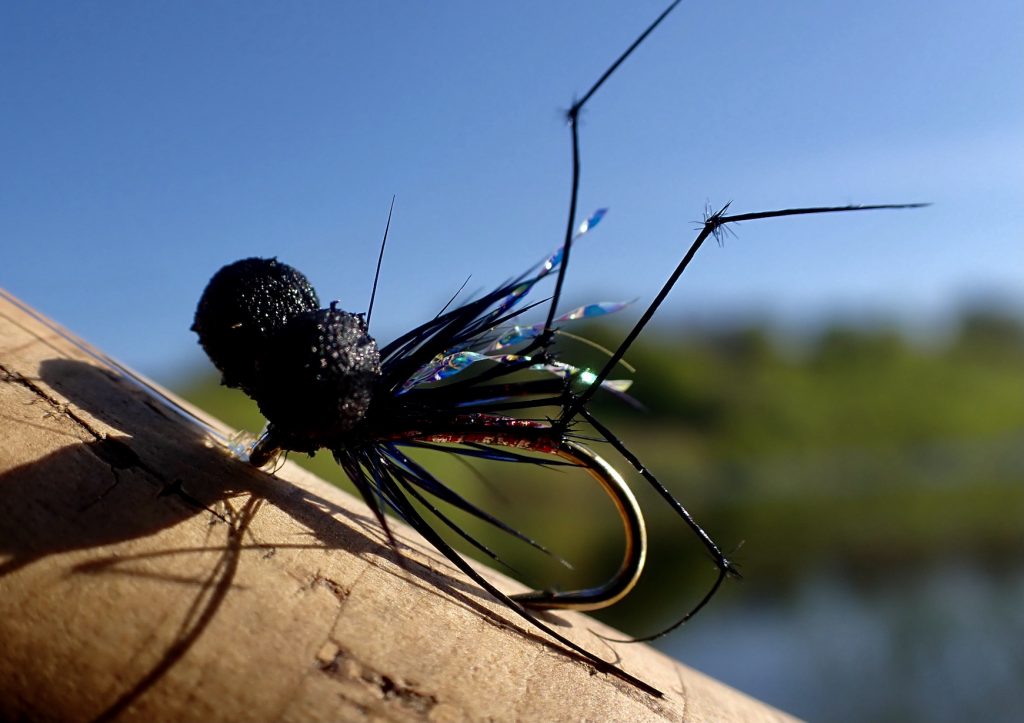
I felt slightly ill at ease alone in this secluded area and decided to head back up to the dam area where I found more sheltered water. After half an hour or so I still failed to connect with any of the lakes trout. I was using a sinking line with a damsel nymph on the point and a black cormorant on a dropper. This was a combination I felt confident with and my gut feeling was to stick with this and search for fish.
I headed back up the lake again trying the shallow end. It was one of those days when things just seemed hard going. Those days when the wind catches the fly and it ends up stuck right in the middle of your back forcing you to disrobe to remove it. The fly you have just selected and put on the seat blows off into your fishing bag resulting in five minutes playing find the fly.

Deciding on another move I pulled the starter rope to be met with a brief splutter and total engine seizure. Looking over the back of the boat I spied a short length of rope wrapped tightly around the prop. It was impossible to remove the rope in situation so I had to haul the outboard on to the boat. The rope was solid and there was no way I could untangle it. All I had on me was a pair of line snips totally inadequate for cutting the rope free. Fortunately a friend of mine was within hailing distance and was able to assist cutting the rope free with a pair of robust garden scissors. A valuable lesson was learnt; always carry a knife in your fishing bag just in case you need to cut yourself free. Luck was to some extent on my side though for if this had happened whilst in the Upton Arm my days fishing would undoubtedly have been ruined. As the long row back against the strong wind would have been challenging to say the least.
Persistence will generally pay off and I headed to the North shore where I found better clarity and deep water close to the bank. I stuck to the same fly combination and was encouraged to see anglers in another boat enjoying some success as their rods flexed as a fish splashed in the water.

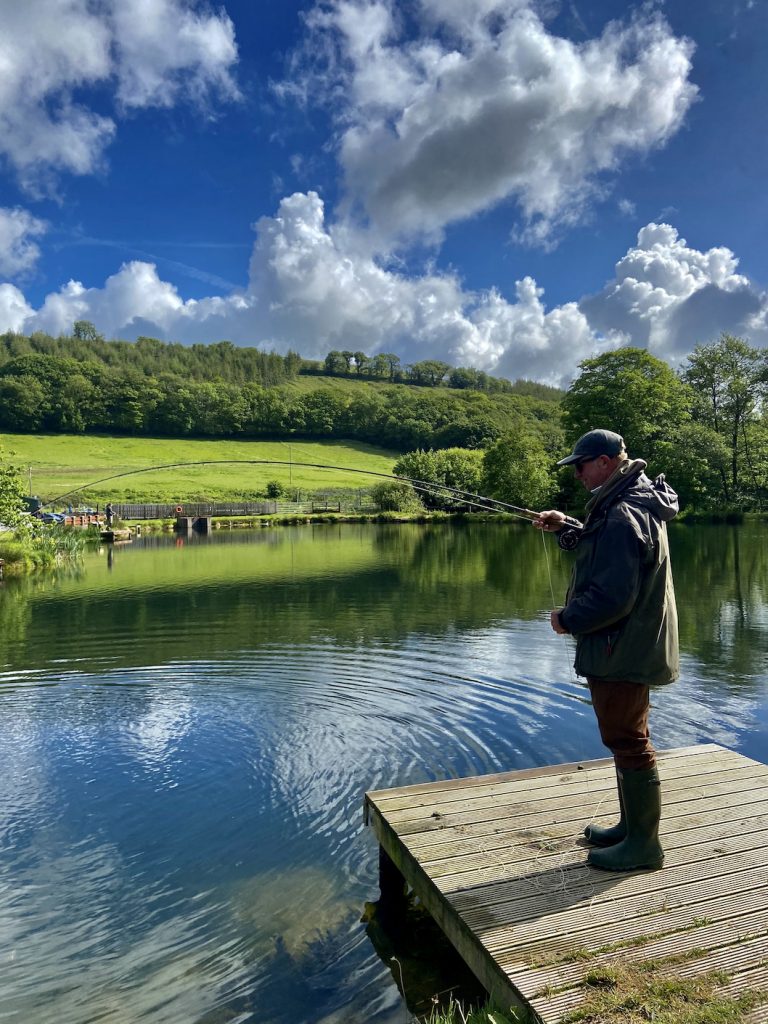
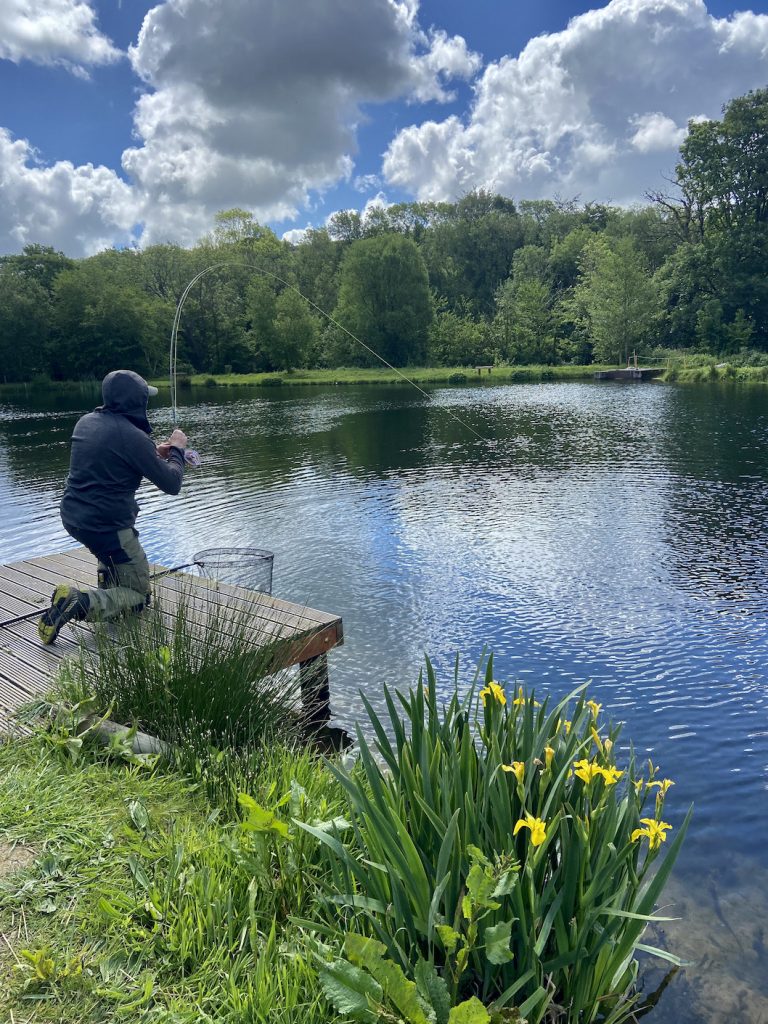
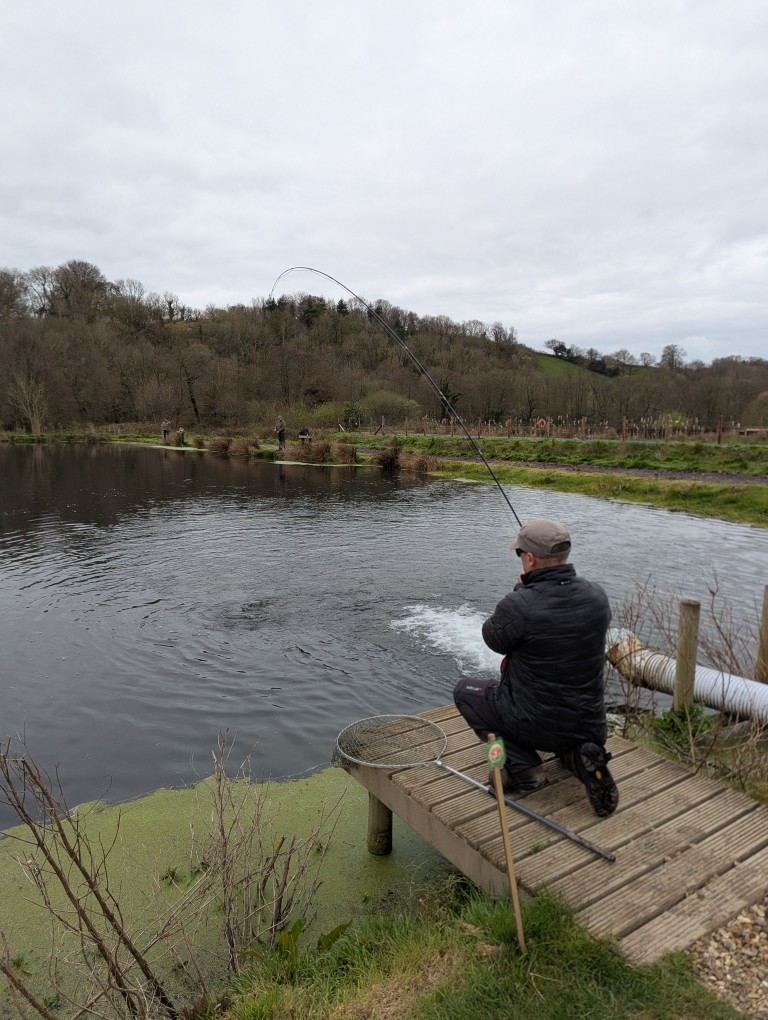
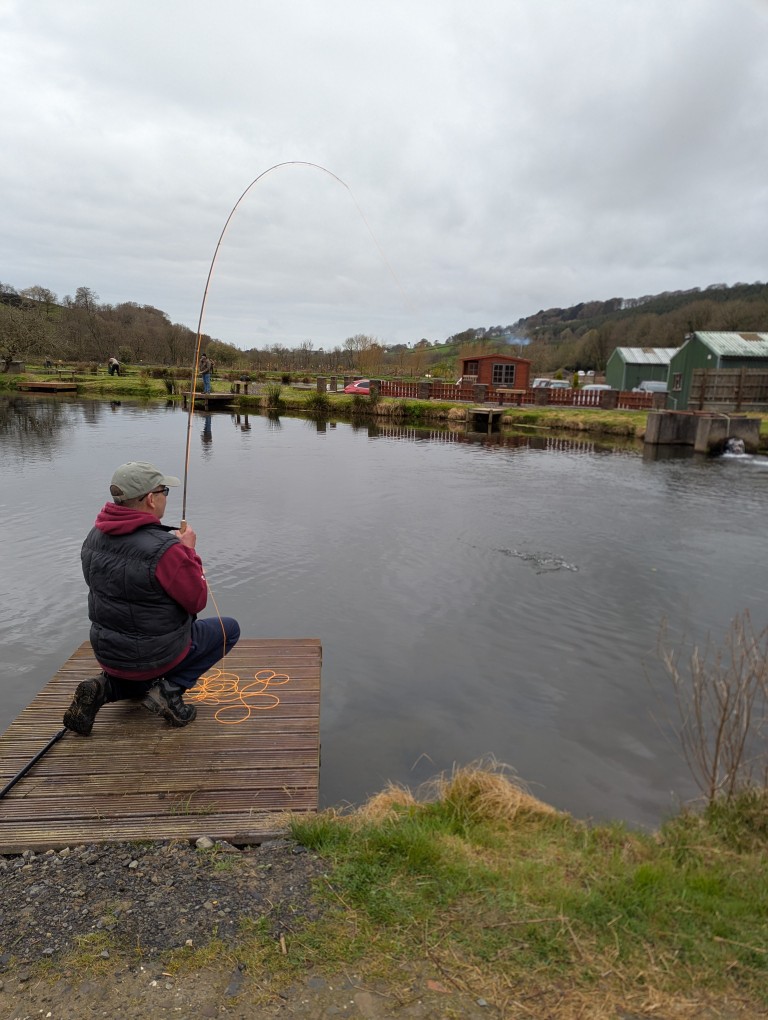
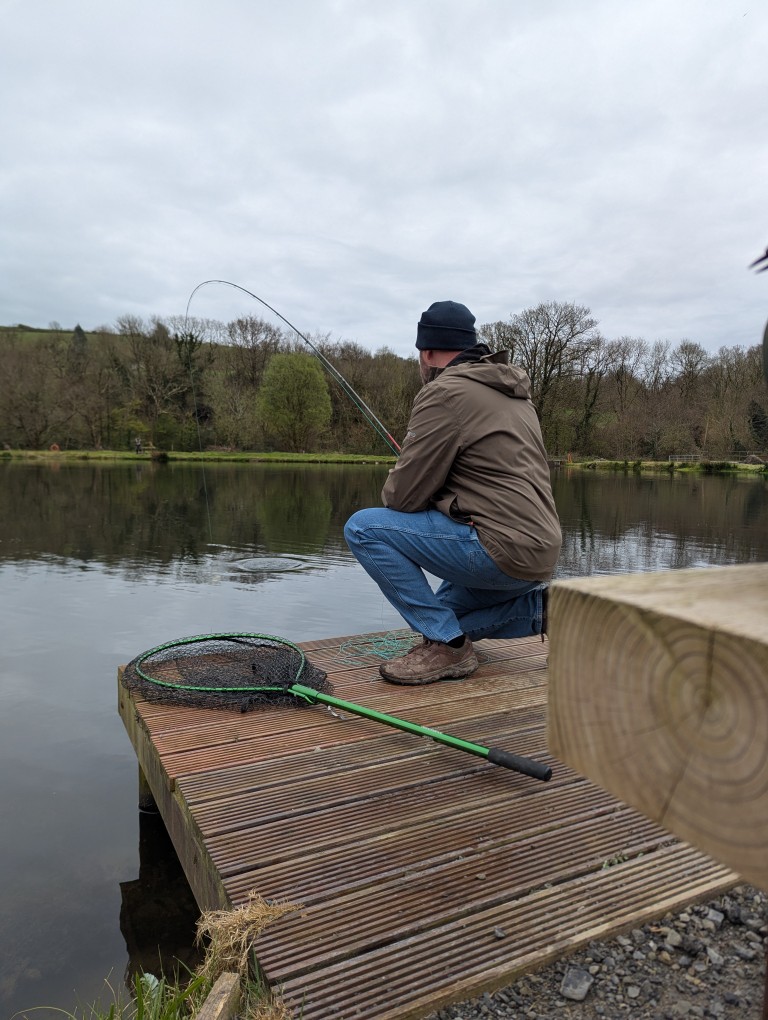
I felt a momentary tightening of the line that injected a degree of optimism and belief. Five minutes later there came that delightful tug on the line as a rainbow trout devoured one of my offerings. The fish fought hard leaping from the water and giving numerous strong runs that tested both tackle and my nerves.
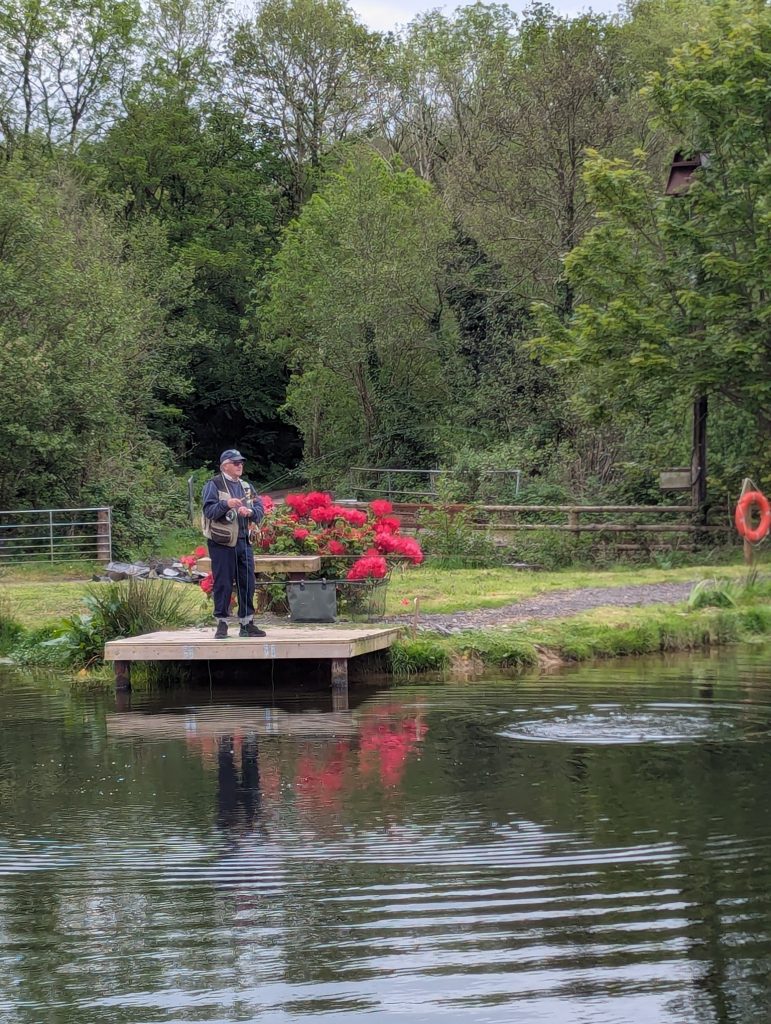
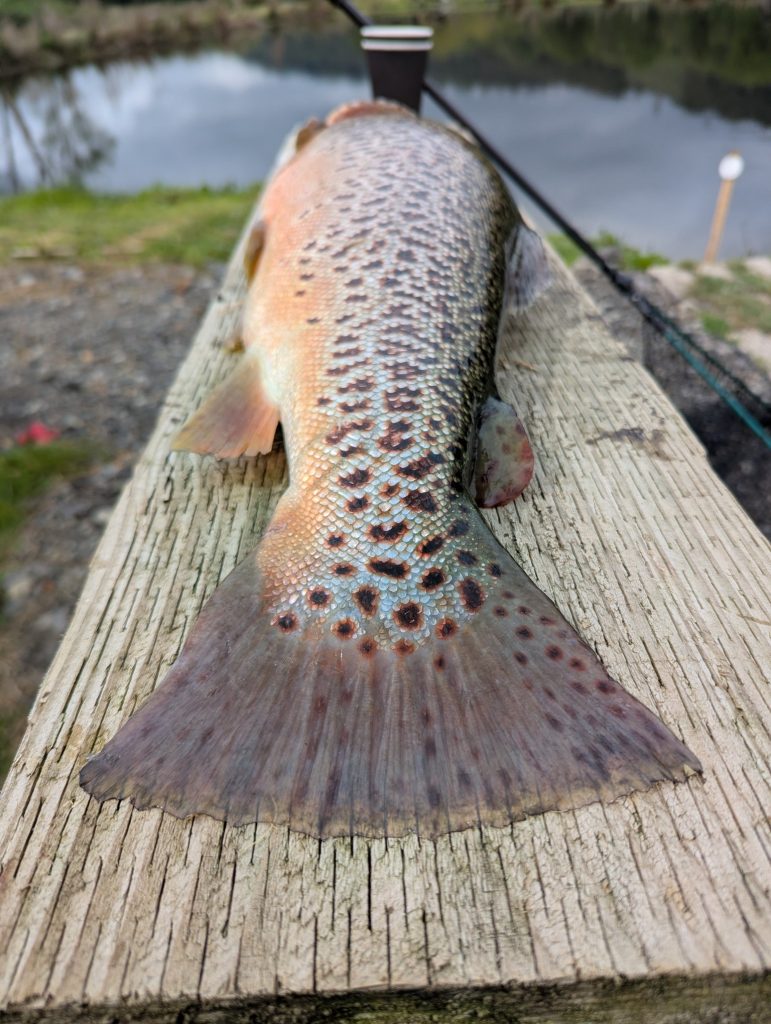

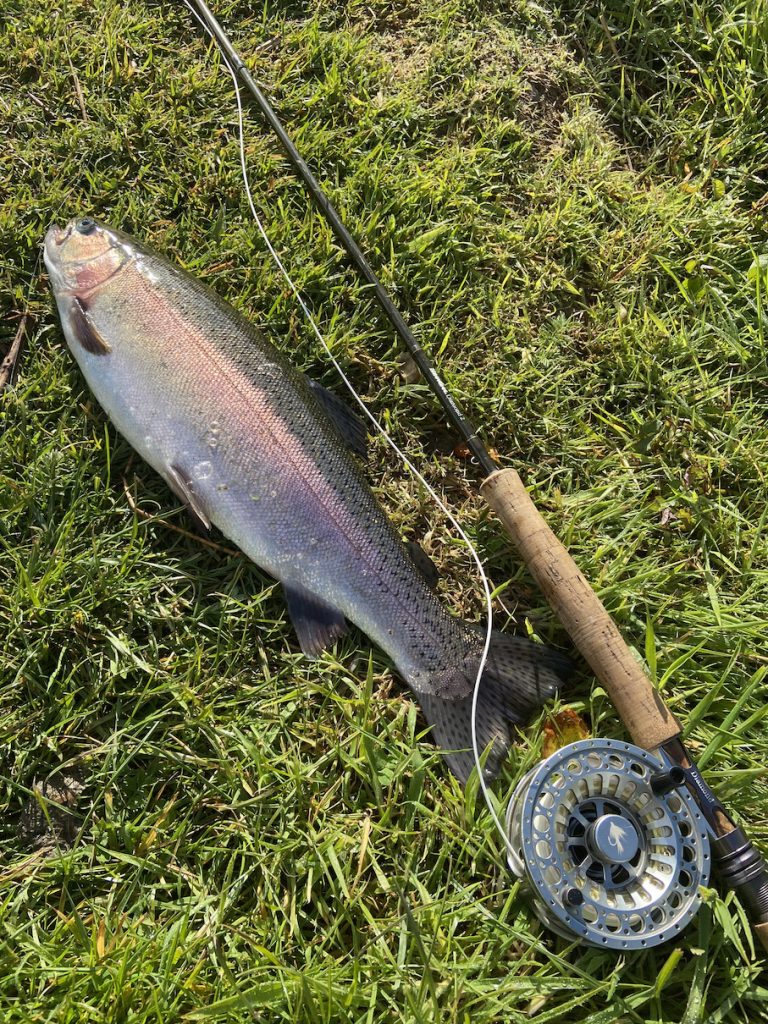
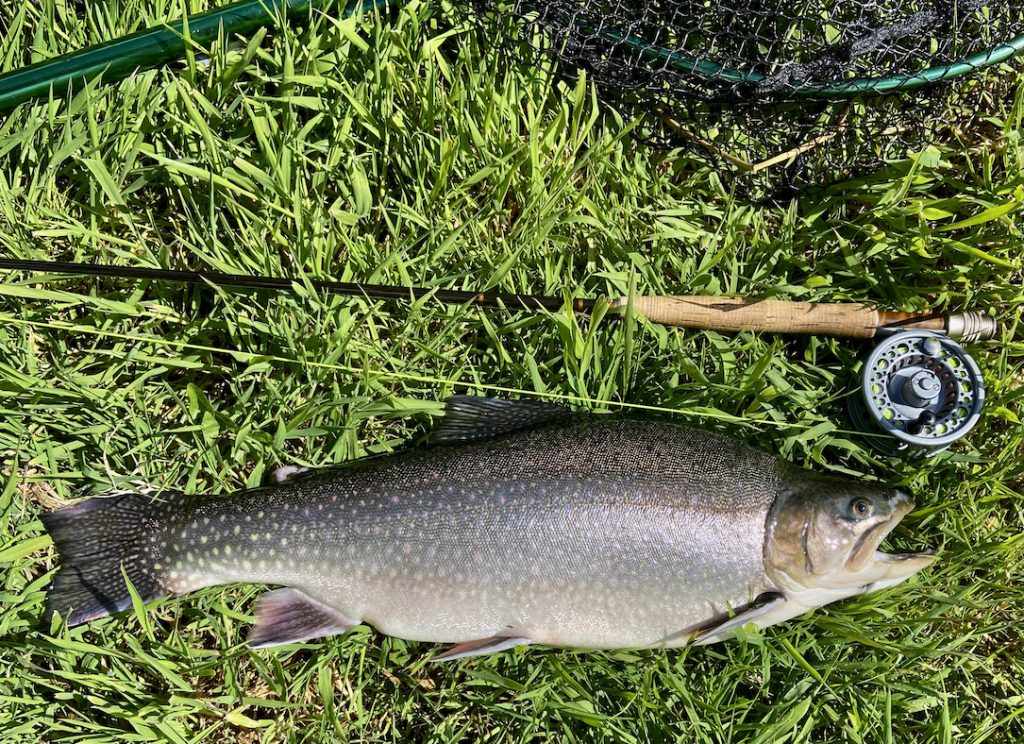
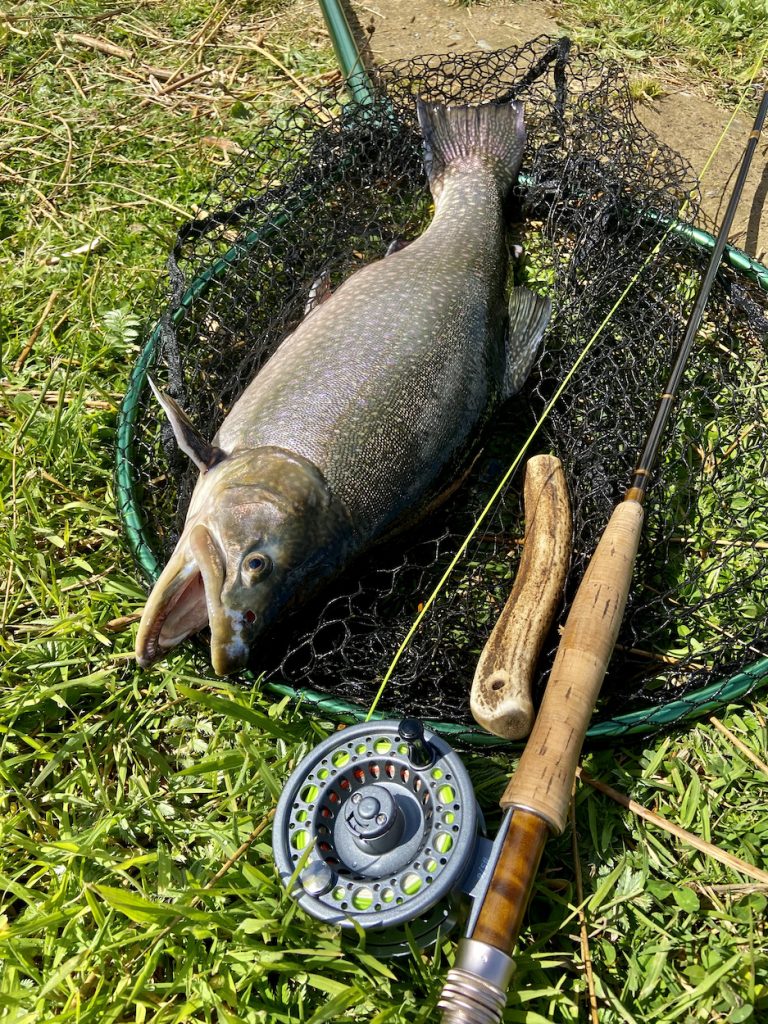
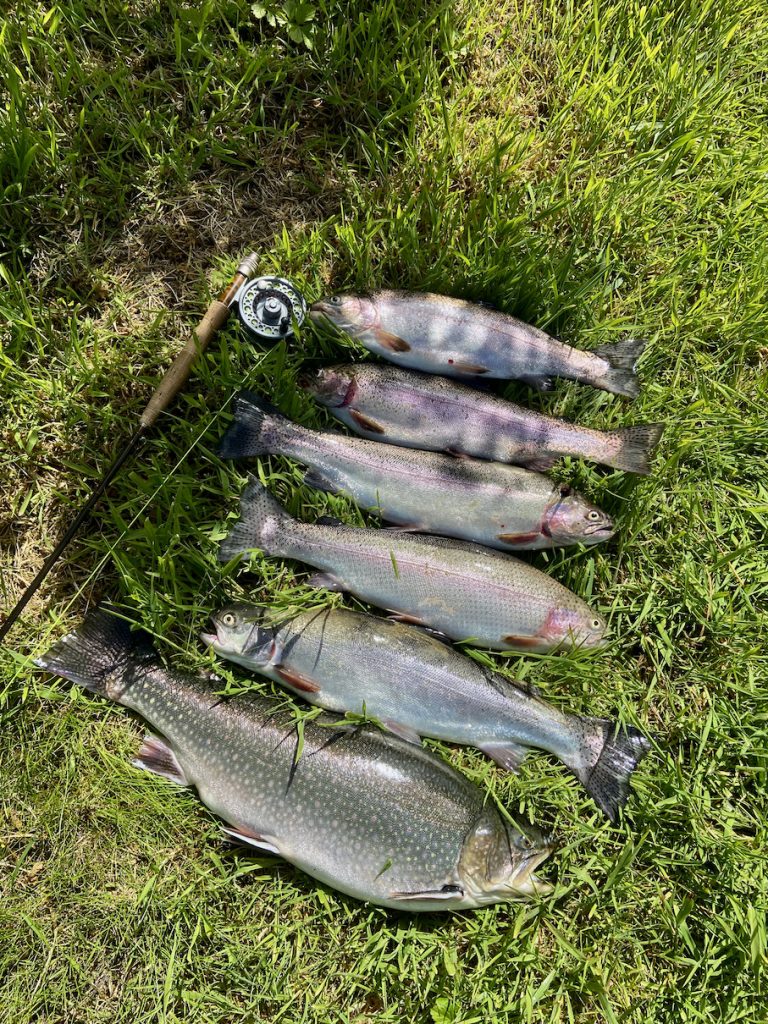
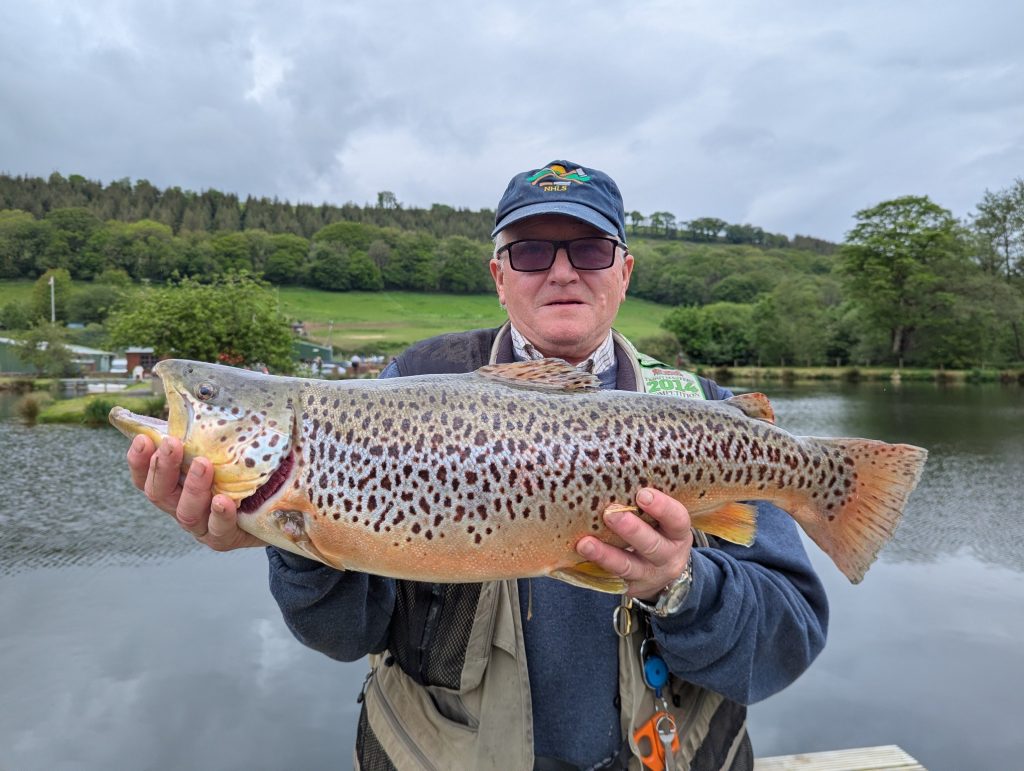
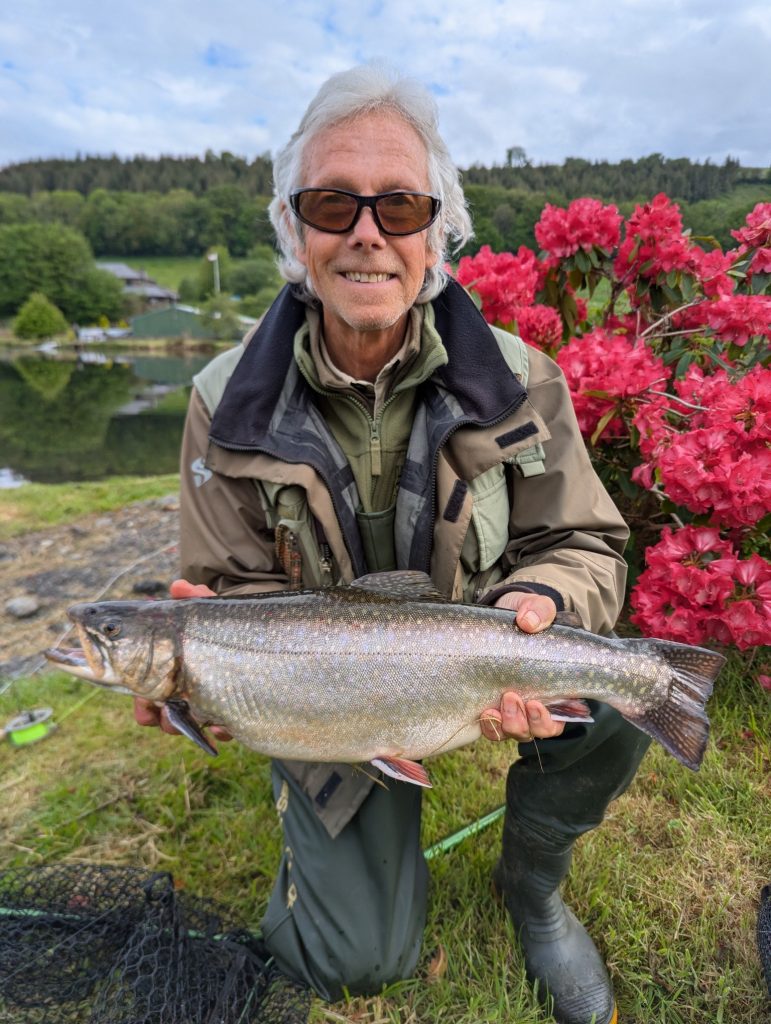
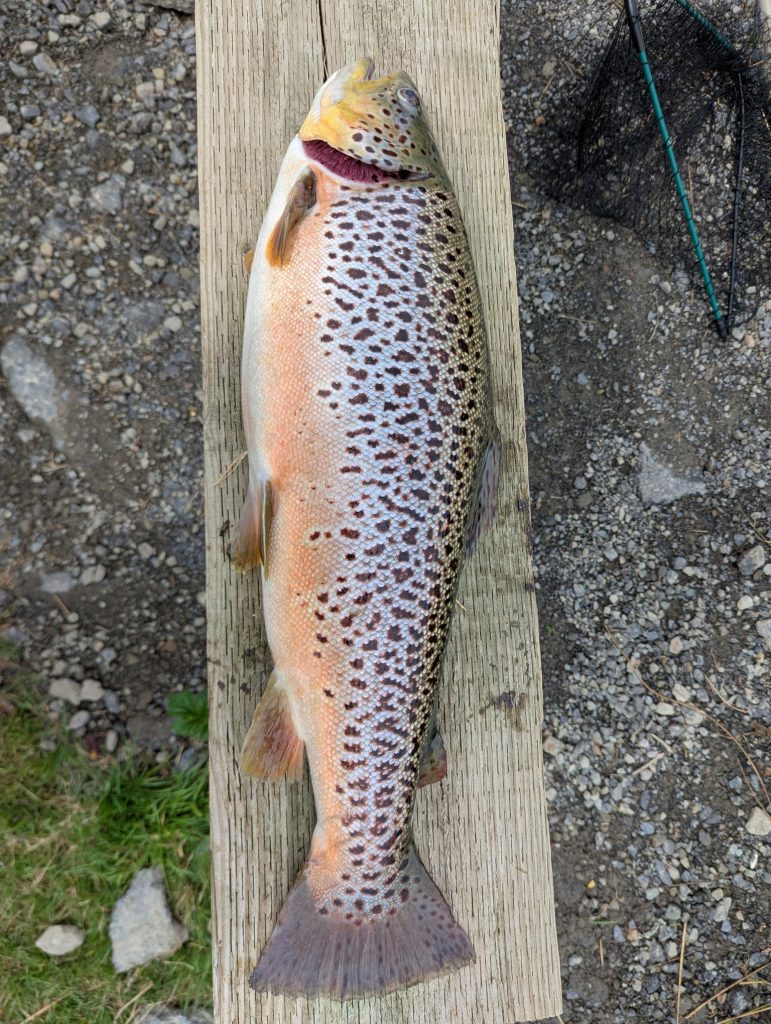
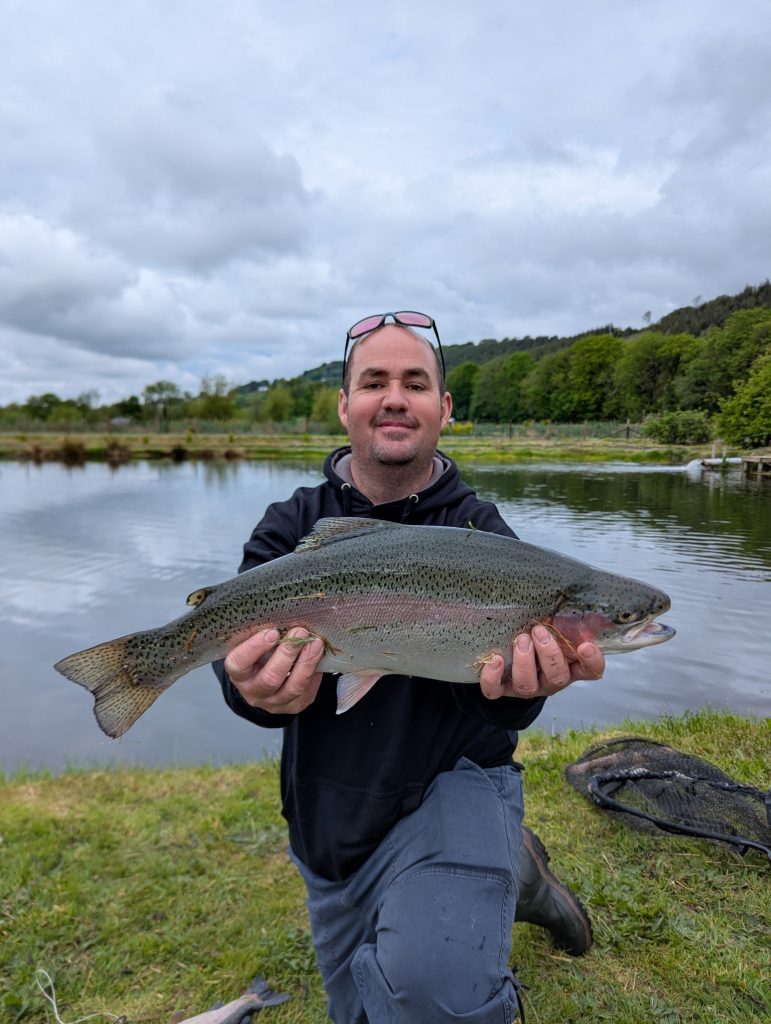
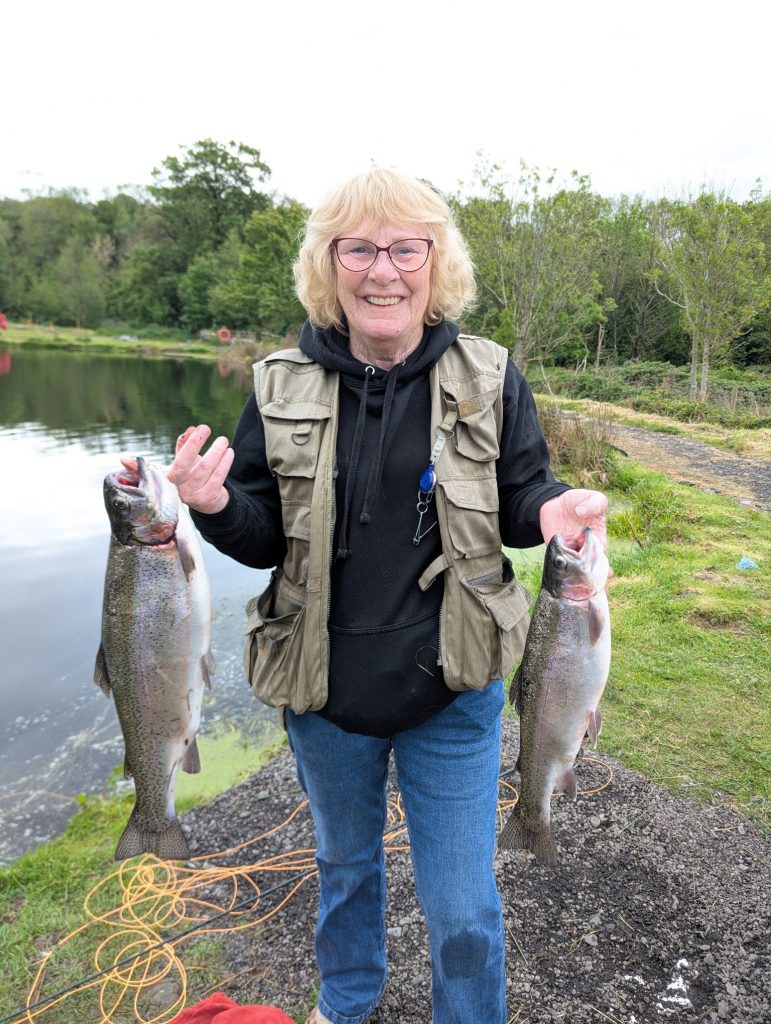
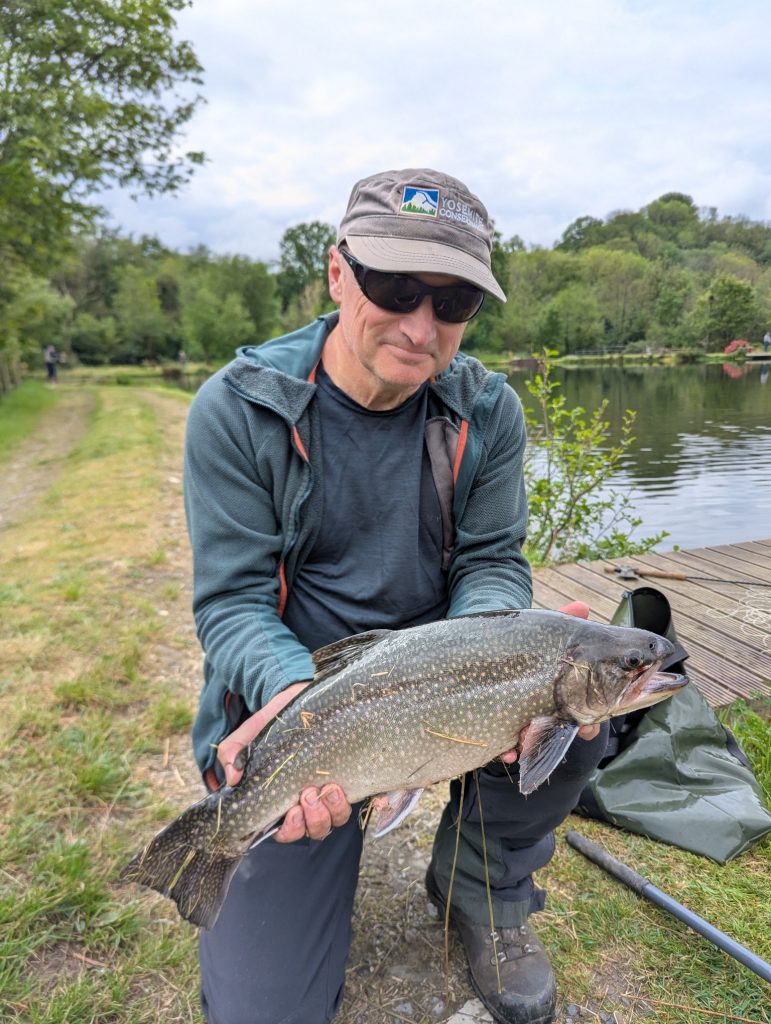
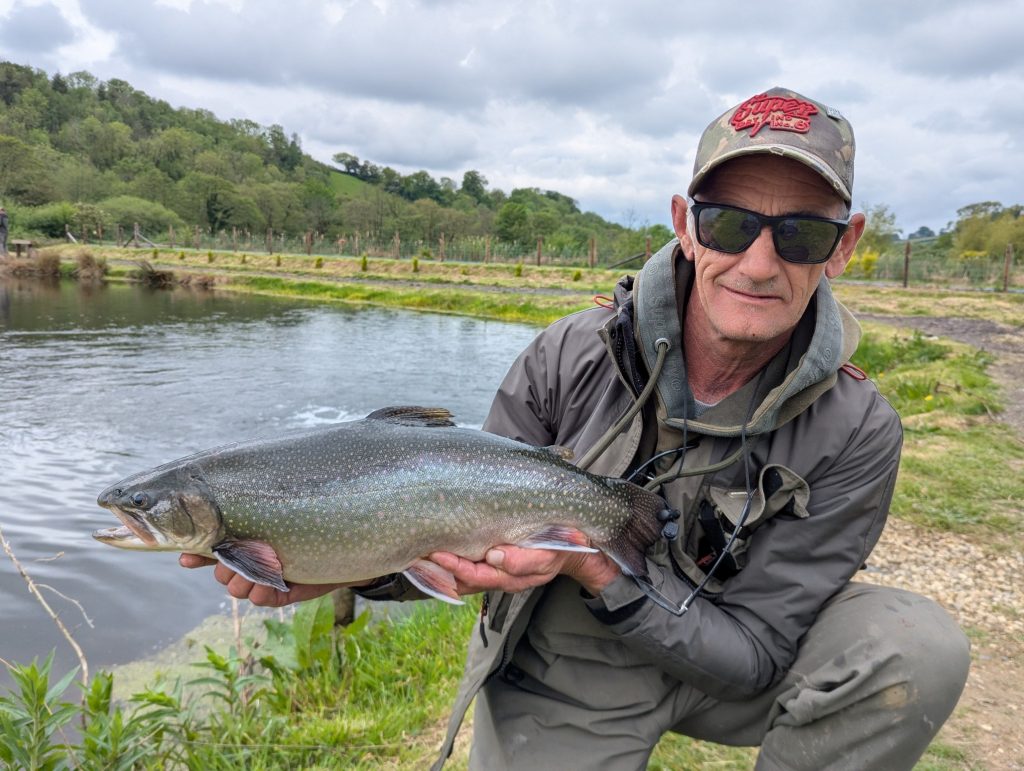
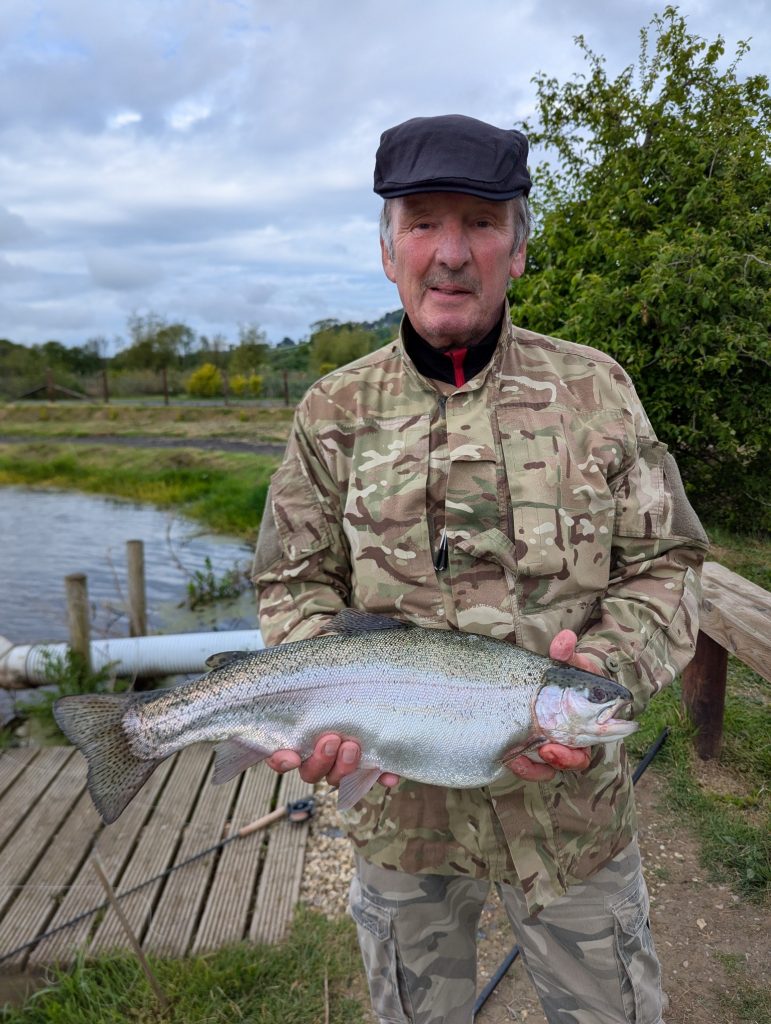
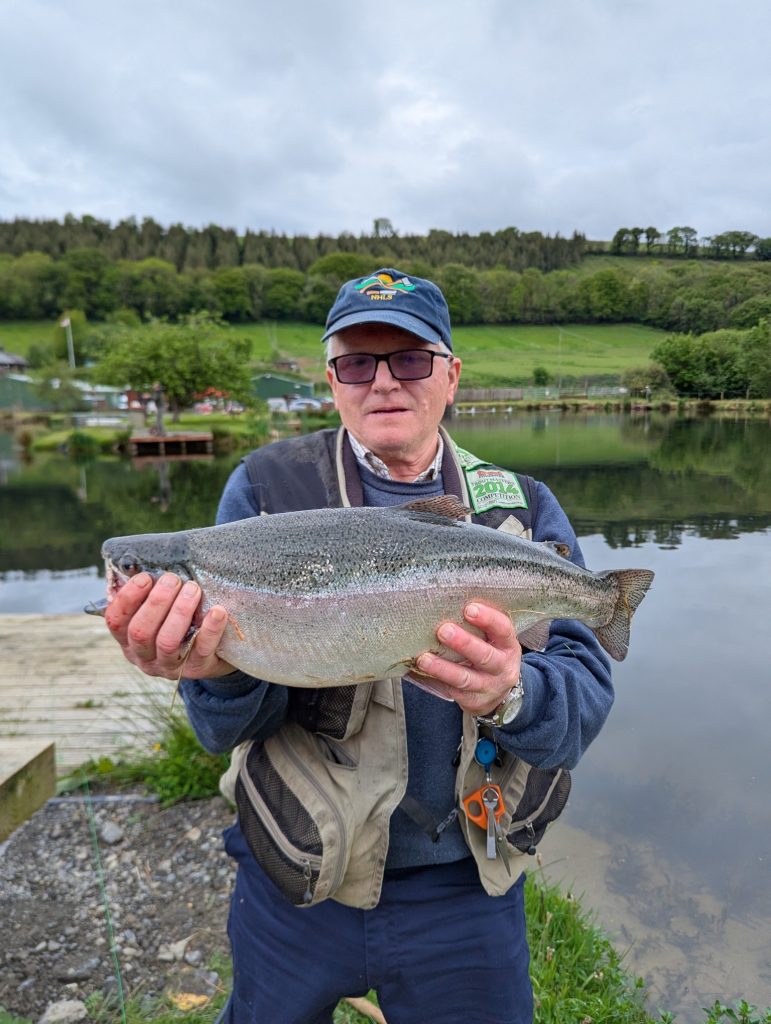
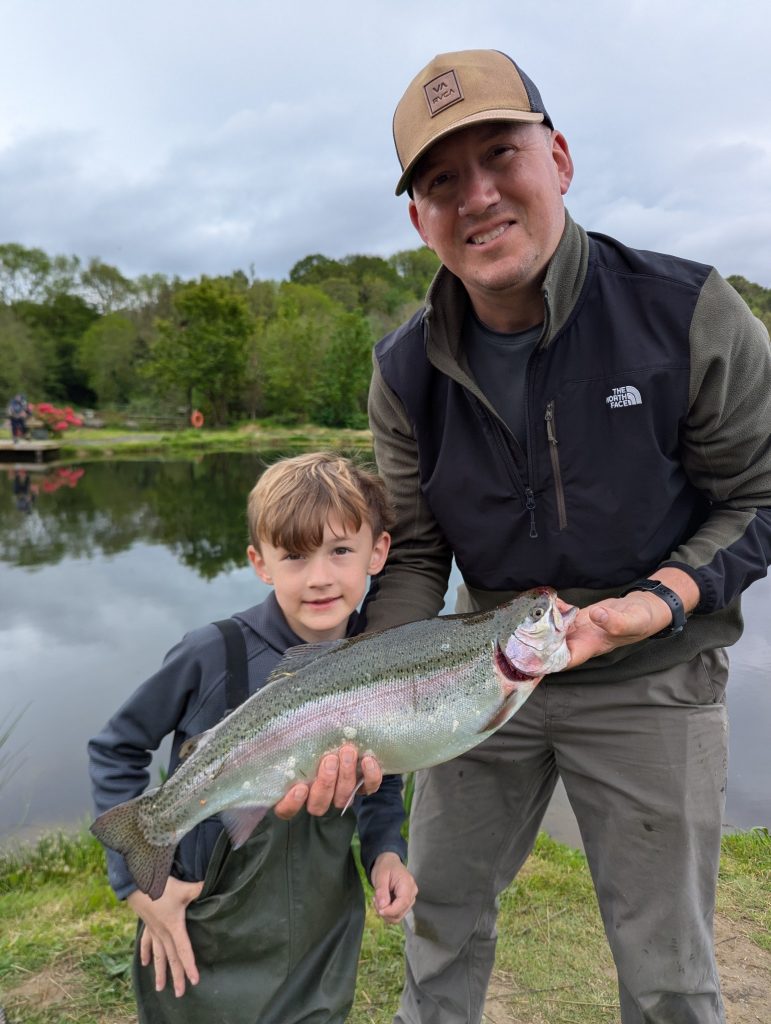
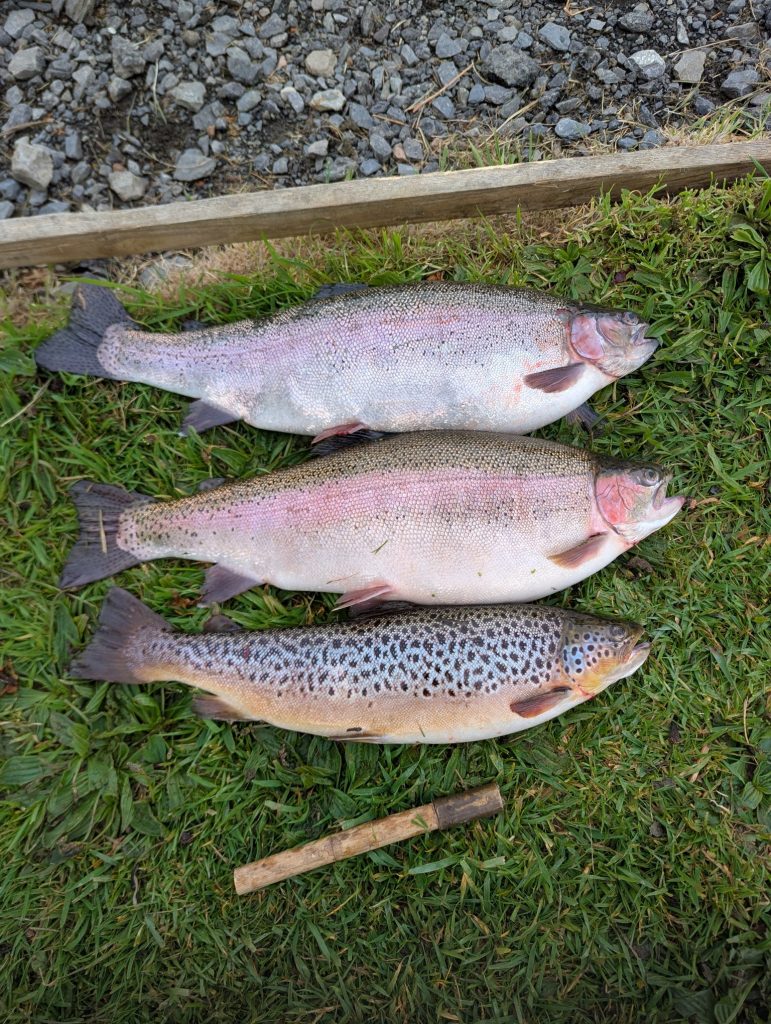
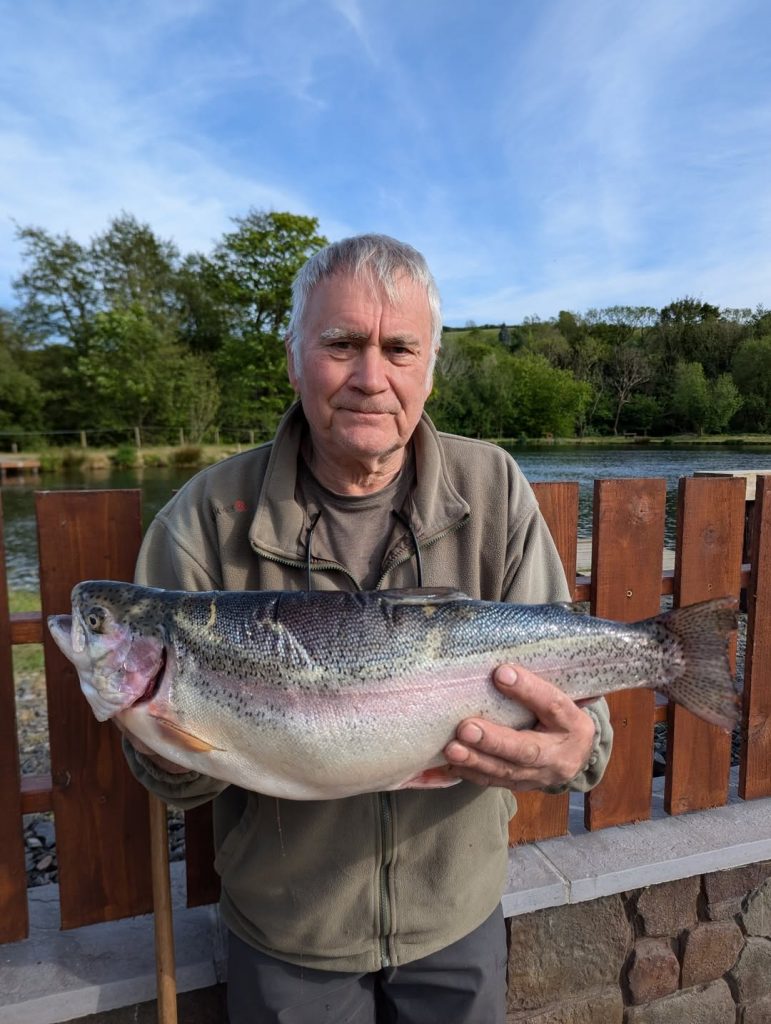
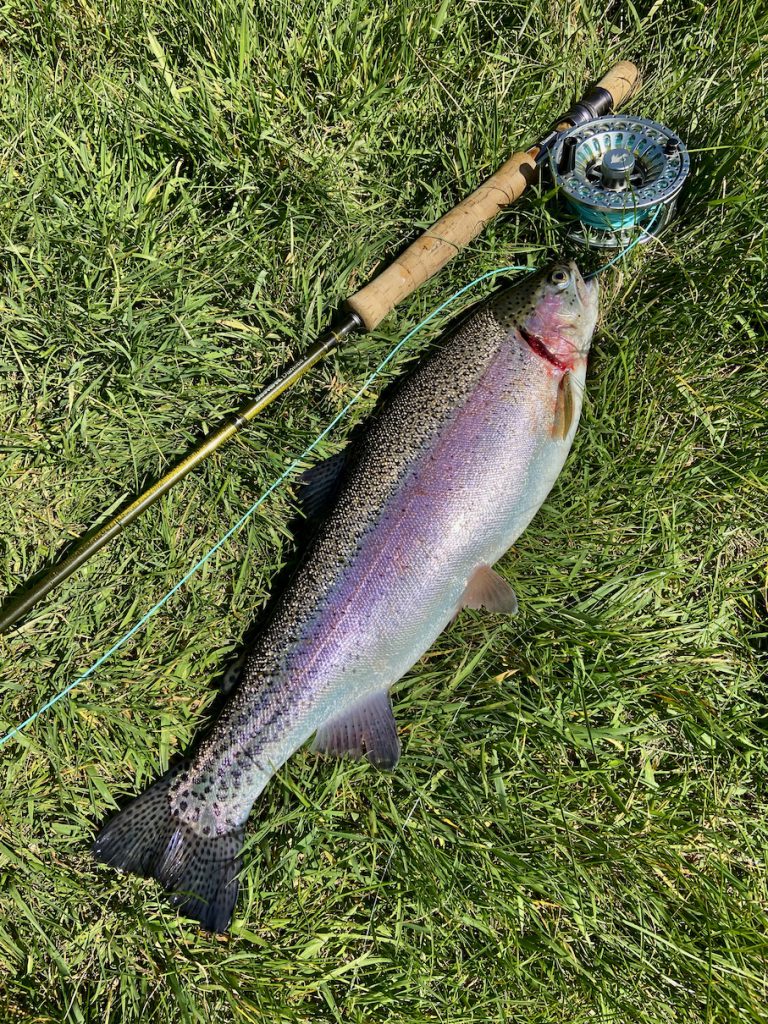
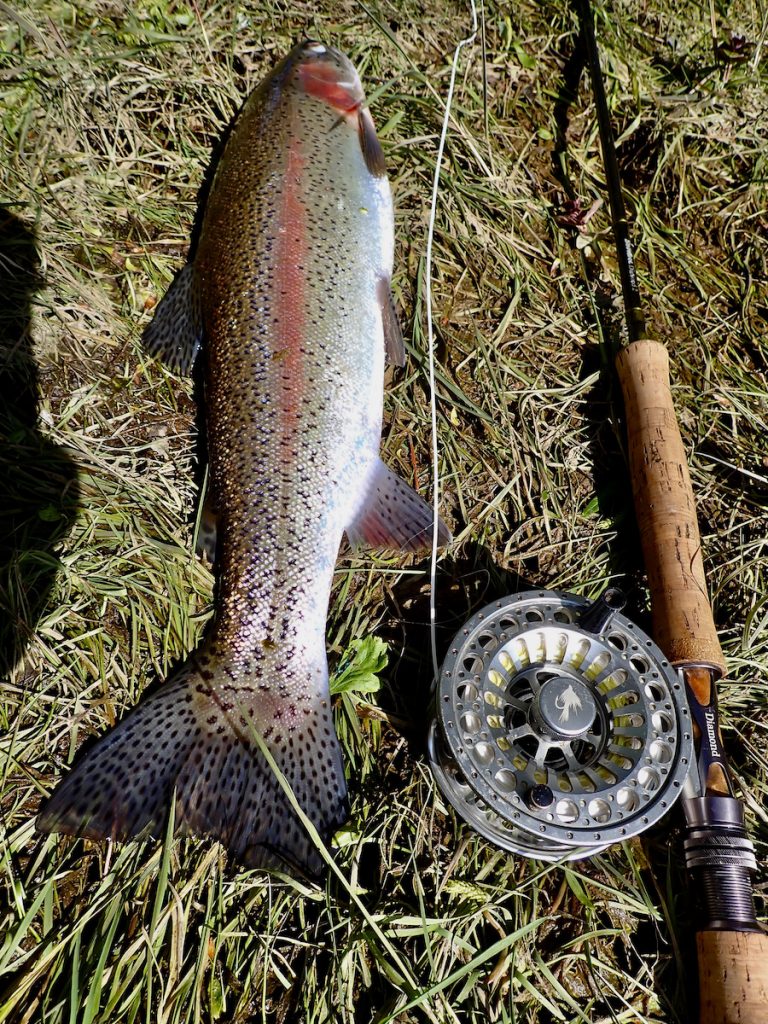
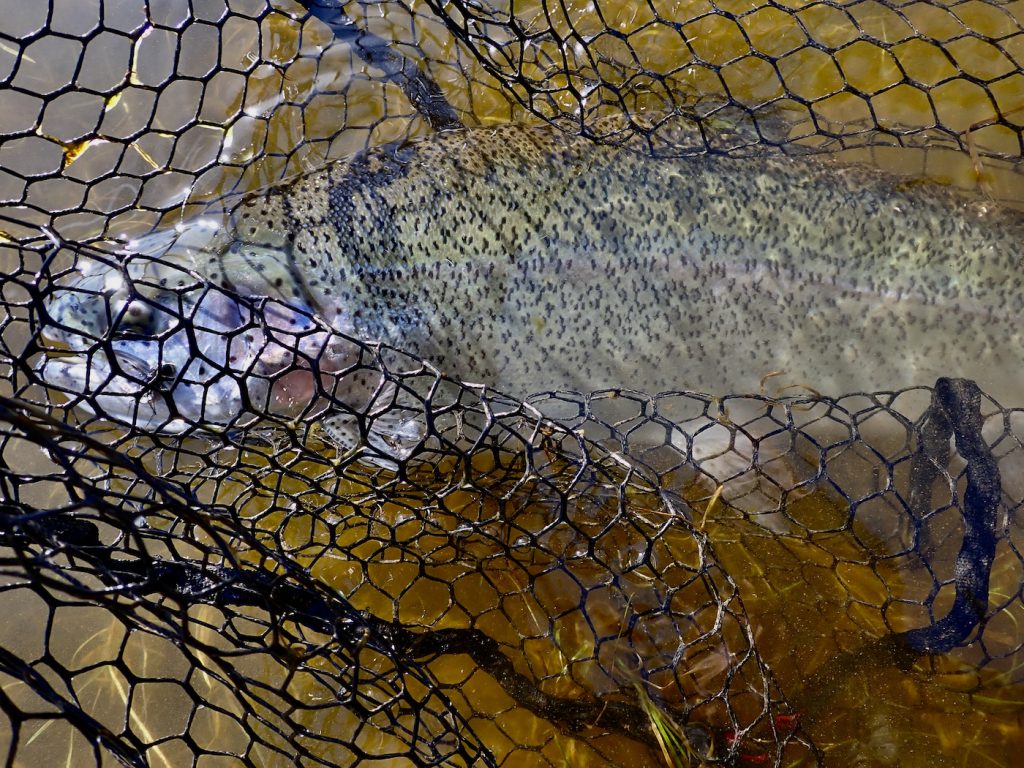
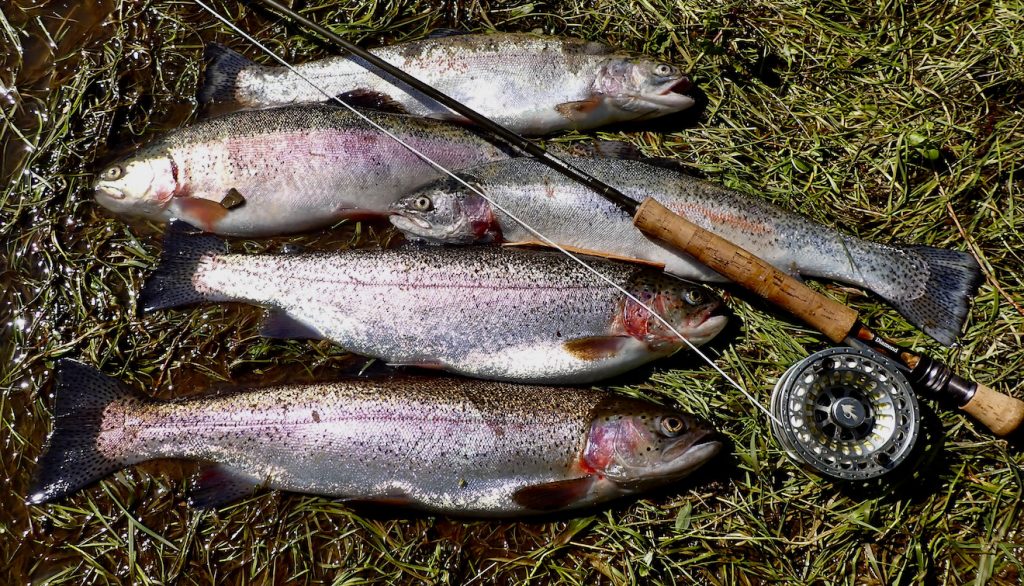
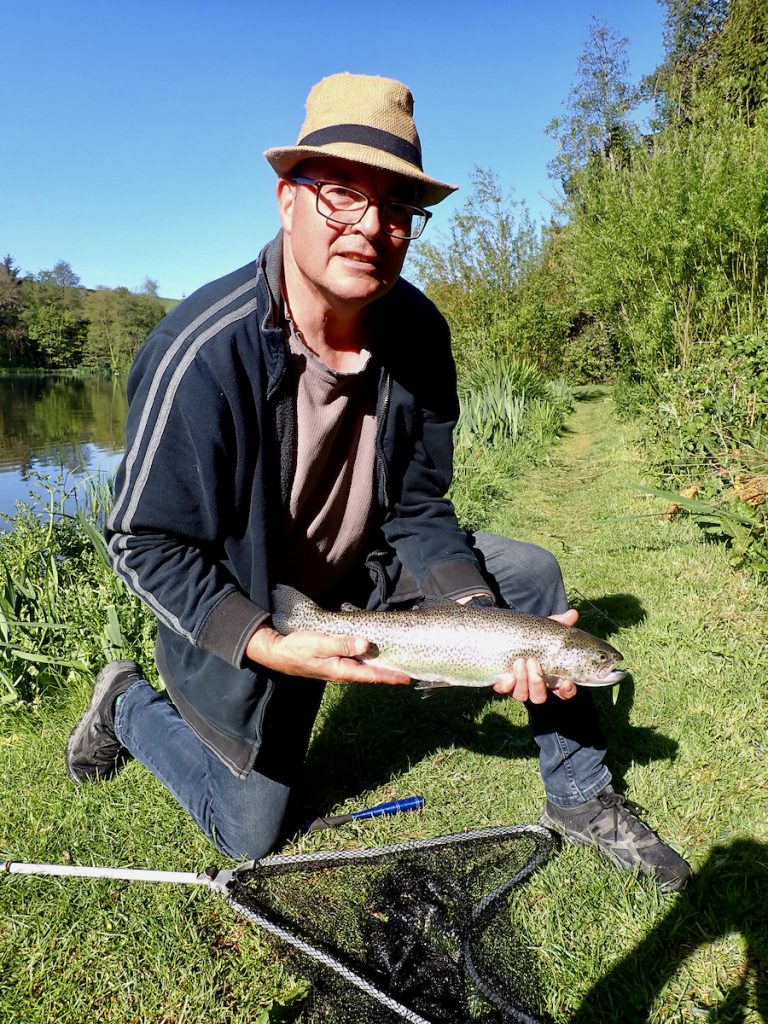
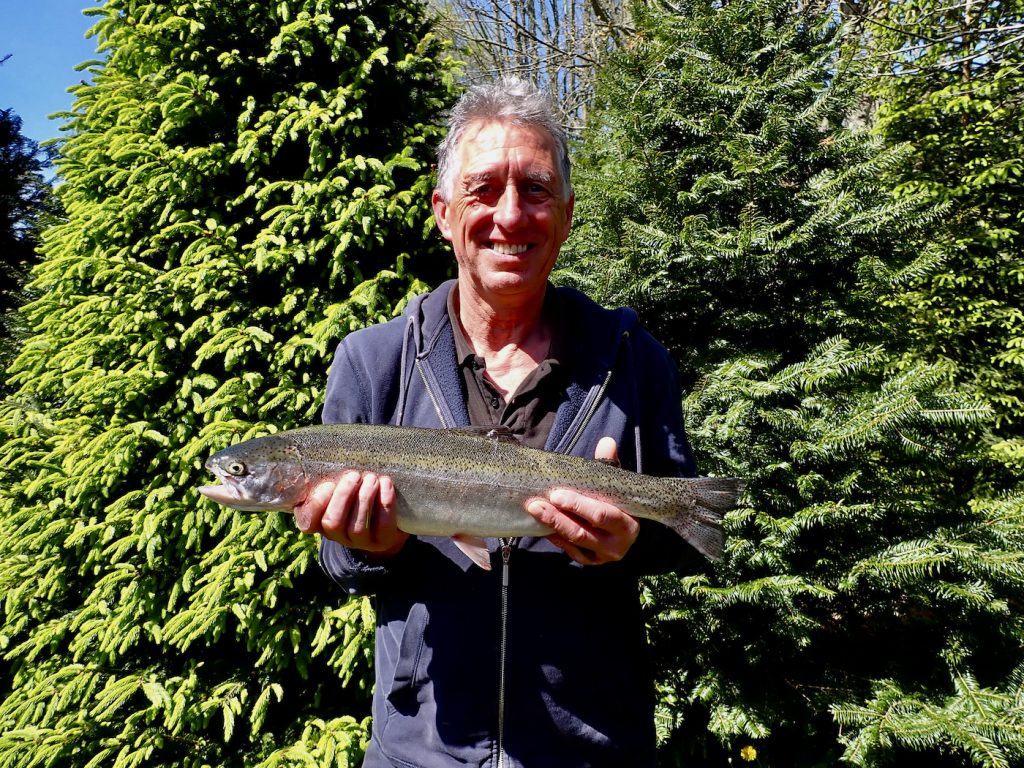
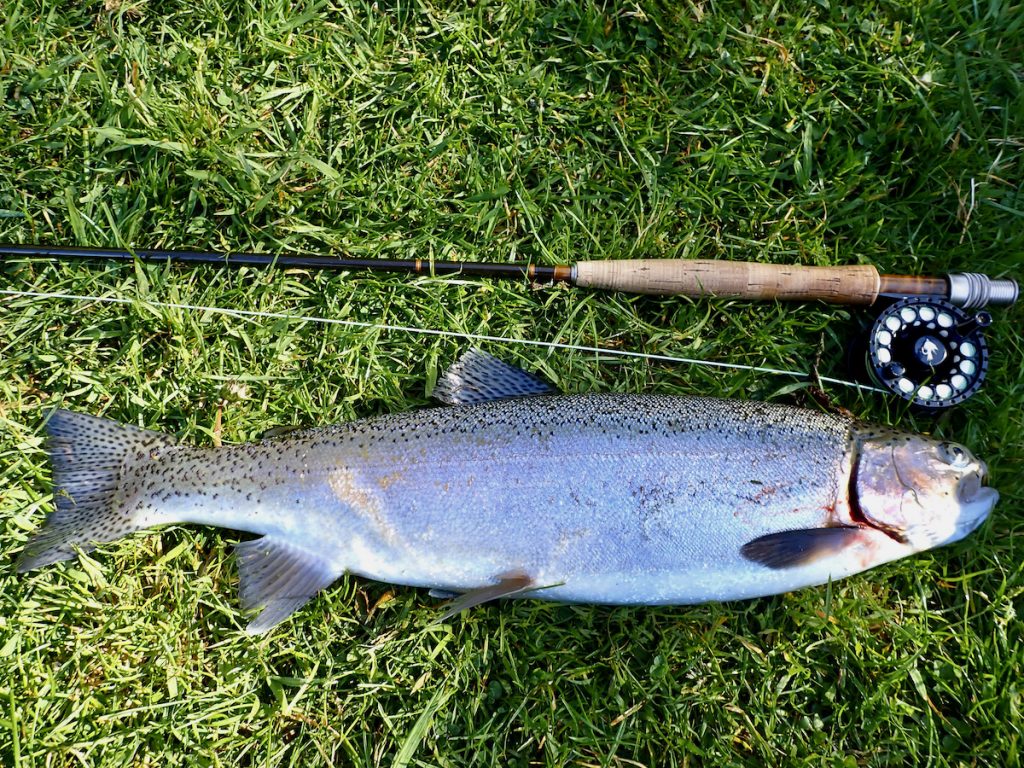
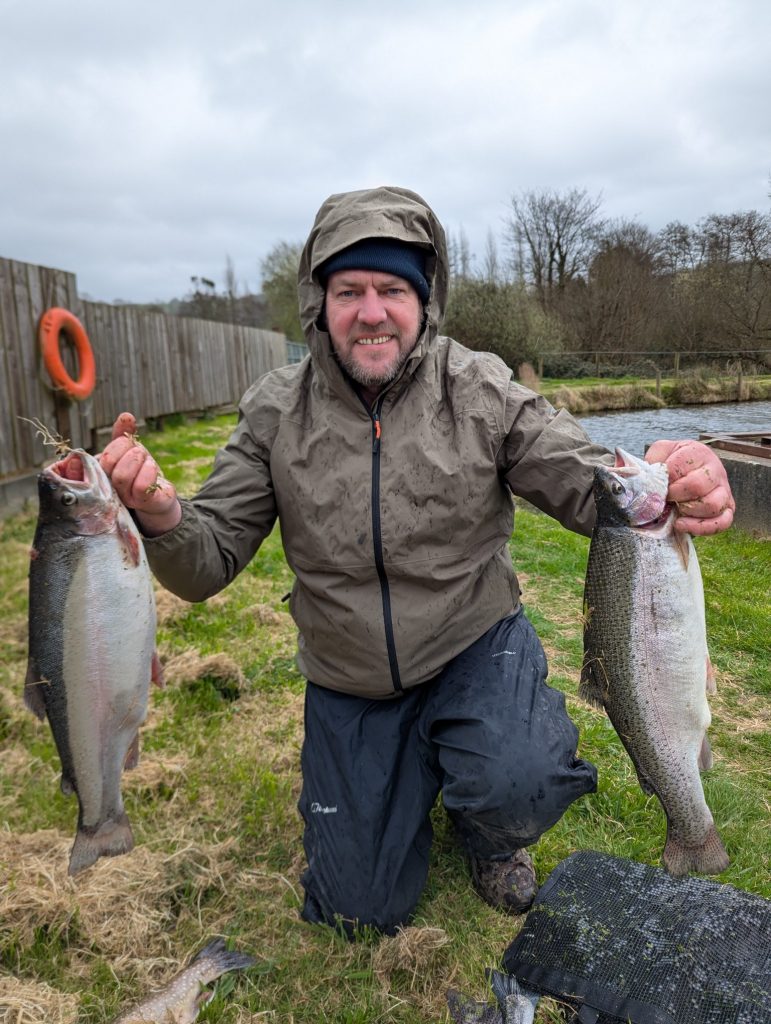
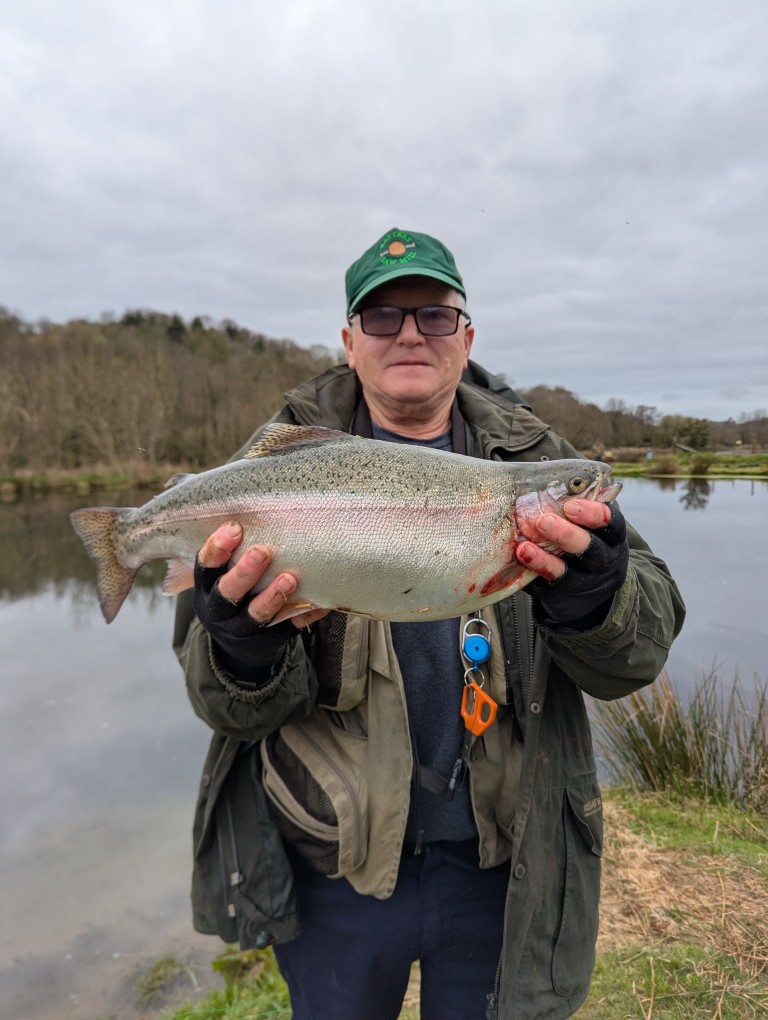
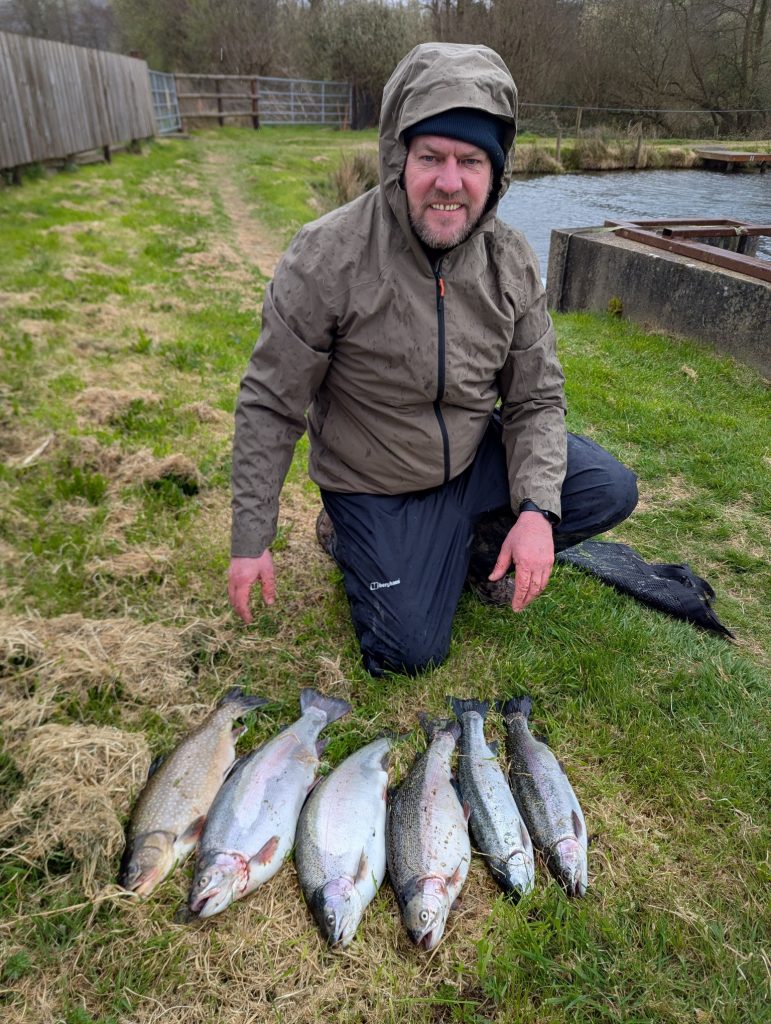
I was relieved to pull a splendid rainbow of around 4lb 8oz into the net. It had taken the black cormorant on the dropper and I noted that the barbless hook was held by just a sliver of skin in the side of the mouth. I noted that it was now cloudy with light drizzle, the wind had dropped and it was undoubtedly a couple of degrees warmer. A brace of rainbows followed in the next half an hour and with the light starting to fade I called it a day contented with success on a hard day.
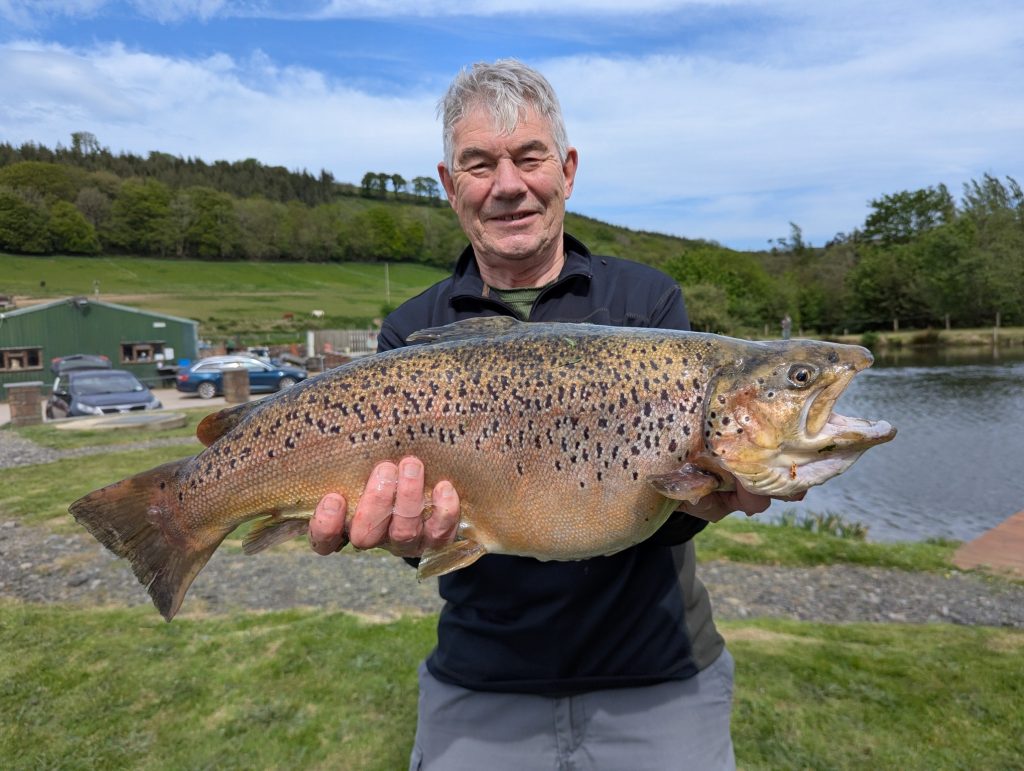
These hard days are often more rewarding than those days when fish come easily to the lures.
As I drove away in the fading light a barn owl glided close to the road and I slowed down to watch it settle on an old farm trailer. The privileged sight of this ghostly bird still lingers in the mind as I reflect upon the day fishing Exmoor’s premier trout water.
South West Lakes Trust Trout Fisheries Report October 2025
South West Lakes Trust Trout Fisheries Report
October 2025
A month of mixed weather conditions, some days warm and sunny, others wet, windy, and cooler, which, along with cooler nights, has meant that water temperatures are starting to drop, and water levels to slowly rise. Storm Amy helped to stir things up, with strong winds and some heavy downpours making angling conditions challenging.

Fishing:
Kennick – The fishing improved as the month progressed, with anglers averaging 2.3 fish per rod overall. The best locations included Smithacott, The East Wall, The Narrows, Poplar Bay and Bracken Point, with boat anglers doing well in Clampitts and in the deeper central water. Fish proved to be feeding at all depths, so anglers needed to be open-minded to trying a selection of different line methods and tactics. Similarly, a wide variety of fly types all caught fish, depending on the conditions on the day (particularly successful patterns included Black Hoppers, Foam-back Daddies, Sedges, Buzzers, Montanas, Damsels, Diawl Bachs, Cats Whiskers, Orange Blobs, Cormorants and Nomads).
Graham Roberts (from Totnes) and his boat partner caught four rainbows to 4lbs on a sunny day, about 16ºc, fishing deep with lure patterns; in another session they caught thirteen fish to 3lb 12oz, again using fast sinking lines and lures. Andrew Kirchin (from Dawlish) caught two rainbows to 3lb, using foam-back Daddies, while Richard Berrisford caught two rainbows to 3lb using a mini-snake pattern on an intermediate line in one session, and another six fish to 2lb 10oz on a deep-fished Tequila Booby on another visit. For operational reasons, South West Water has recently dropped the level considerably, which has restricted the number of boats available, and left some banks unfishable due to soft mud – the level is now down to 32%. Check the Trust’s website for the latest updates.
Burrator – The fishing at Burrator continued to improve, with anglers achieving an overall monthly average of 4.6 fish per rod (with a couple of weeks exceeding six fish). Generally, floating or intermediate line tactics proved to be the most successful. Popular locations included Longstone, Back Bay, Pigs Trough, Sheepstor, Discovery Bay and Pines. Foam Daddies, Hawthorns, Tequila Hoppers, Sedges and Klinkhammers caught surface-feeding fish, while deeper fish were caught on both nymphs (Damsels, Buzzers and Hares Ear Nymphs) and lure patterns (Goldhead Yellow and Orange streamers, Tequila Blobs, Orange Fritz and Cats Whiskers).
Gordon McLeod (from Tavistock), caught a bag of twelve fish, which included a cracking 4lb rainbow (a personal best as well as the best fish caught at Burrator this season) on a Candy Blob; Gordon also caught a bag of eleven rainbows to 2lb on another visit using a Tequila Blob. Daniel Forrester (from Hatherleigh) also caught eleven fish to 2lb using a Candyfloss Booby pulled slowly across the surface to imitate floating fry. Water levels are now at 47%.
Stithians – The fishing continued to improve as the month progressed, with anglers averaging well over three fish per visit in two of the weeks. Floating line tactics proved to be the best, with plenty of fish rising to dry patterns (Hares Ear Parachute, Elk Hair Sedge, Beetles, Midge Hoppers and Black Hoppers). Sub-surface feeders were caught on Diawl Bachs, Spider patterns and Damsels, as well as lure patterns (Orange Blobs, Minkies, Cormorants, Black Fritz, Cats Whiskers and Fry Patterns). Popular locations included The Dam, Mossopps, Goonlaze, Pipe Bay, Hollis, Yellowort and Sluice Bank. John Henderson had an excellent day’s sport, catching five rainbows and twelve browns, with most fish taking surface patterns. Levels are at 50%.
Colliford – Colliford fished consistently well throughout the month, with anglers averaging 3.2 fish per visit, with Lords Waste, Middle Car Park, Stuffles, Dam and East Bank producing the best sport. Floating line tactics proved the be the best option, with Dry Sedges, Bibio Hoppers, Daddylonglegs, Olive Crunchers, Bobs Bits, Zulu, Bibios, Soldier Palmers, Alexandras and Black and Peacock Spiders all catching well. Chris Tilyard caught seven browns to 12” on Bobs Bits, while Paul Mockford caught four fish to 30cm on a Bibio pattern. Water levels are now at 44%.
Fernworthy – The fishing at Fernworthy proved to be fairly consistent throughout the month, with anglers averaging 1.4 fish per visit. Generally floating lines were preferred, with fish taking a variety of patterns on or just under the surface (Sedges, Black Parachute patterns, Silver Invicta, Kate McLarens, CDC Hoppers, Daddy Longlegs, Soldier Palmers, Hares Ear and Pheasant Tail nymphs). Thornworthy, Dam bank, Picnic area and South Bank proved to be the most productive locations. Levels are at 71% at time of writing.

Roadford – The excellent sport continued at Roadford as the season draws to an end, with anglers averaging 3.5 fish per visit (up to 5.8 in one week). Gaddacombe, Wortha, Big Oaks, South Shop, Goodacre and Daveys Bank all proved to be popular locations, with anglers preferring floating line tactics. Successful patterns included Diawl Bach, Soldier Palmer, Zulu, Cats Whiskers, Black Gnats, Black Tadpoles, Spiders, Crunchers and Black Pennels. Dean Boucher (from Gunnislake) caught eleven browns to 16” using a Soldier Palmer and Black Tadpole; he also caught thirteen fish up to 1lb on a previous visit, using pulled wet patterns (again Soldier Palmer and Black Tadpole). Chris Langton also caught five browns. Water levels are now at 60% capacity.

Fine Sport for trout anglers at Bulldog
Bulldog Fishery latest news
South West Lakes Trust Trout Fisheries Report September 2025

A welcome drop in temperatures, along with some rain helped to freshen the reservoir waters, although at some fisheries many fish preferred to stay in the deeper water, where boat anglers fared slightly better than their counterparts on the bank.
Fishing:
Kennick – In spite of the cooler temperatures, the fishing proved challenging at Kennick, with anglers averaging 1.7 fish per visit. The best locations included Sycamore Wall, Poplar Bay and Bracken Point, with boat anglers catching fish in Clampitts Bay and the deeper central water. An intermediate line or floating line with a sink-tip, or a sinking line proved to be the most successful tactic, fishing either nymphs and wets (Diawl Bachs, Montanas, Buzzers and Damsels) or lure patterns (Tadpoles and Boobies). Graham Roberts (from Totnes) and his boat partner caught thirteen rainbows to 3lb 12oz, with two others over 3lb, using fast sinkers and lure patterns (having previously had no success fishing on the top). Richard Berresford caught six rainbows to 2lb 10oz using a Tequila Booby fished deep with a slow figure-of-eight retrieve with pauses from a boat, and two rainbows to 3lb using a mini snake pattern on an intermediate line on a further visit. Water levels are down to 45% capacity at the time of writing.
Burrator – The fishing at Burrator improved this month, with anglers averaging 3.9 per visit, with fish being caught all over the reservoir (including Longstone, Pig Trough, Discovery Bay, Bennett’s and Sheepstor). With fish coming to the surface to feed, floating lines with dry patterns (Foam Daddies, Bob’s Bits, Sedges and Hoppers) produced some good sport, while deeper feeders were caught on intermediate lines using nymph (Buzzers, Damsels, Montanas) and lure (Tequila Blob, Yellow Streamer, Cormorant, FAB, Black and Green Blob) patterns, fished with a variety of retrieval methods. Gordon McLeod (from Tavistock) caught eleven rainbows to 2lb using a Tequila Blob fishing early in the morning. Daniel Forrester (from Hatherleigh) also caught eleven rainbows to 2lb between Sheepstor Bank and Pig Trough Bank – in spite of plenty of surface activity, he could only interest his fish with deeper lure patterns (particularly Candy Floss Boobie). Water levels are now down to 40% capacity.
Stithians – The fishing improved as the month progressed, with lightweight floating lines together with dry patterns (Hares Ear Parachute, Midge Hopper, Elk Hair Sedge, Daddies and Beetles) producing some excellent surface sport. Deeper feeders took a selection of nymph patterns (mainly Damsel Nymphs) and lures (FAB, Cruncher Apache, Minkie and Orange Blob). Popular locations included Goonlaze, Ray’s Beech, Pipe Bay, Hollis, Oub Bay and Sluice Bank). Levels are down to 60% capacity at time of writing.

Colliford – The sport improved dramatically during the month, with anglers averaging 4.1 fish per visit. The best locations included the Middle Car Park, Lord’s Waste, The East Bank and the bank near the dam. Plenty of Sedge and Midge hatches meant that the browns were keen to feed off or just under the surface, taking Bibio Hoppers, Bob’s Bits, Black and Peacock Spiders, Black cdc Emergers, Zulus and Soldier Palmers. Water levels are now at 54% capacity.

Fernworthy – In spite of a fairly consistent hatch just before dusk, the fishing proved to be fairly challenging at Fernworthy, with anglers averaging less than a fish per visit. The South Bank proved to be the most popular, with some fish taking both dry patterns (Black Parachute, Tup’s, dry Sedge and cdc Hopper), and sub-surface Muddlers, Silver Invictas and Kate McLaren. Water levels are still quite high, at 78% capacity.
Roadford – The fishing at Roadford improved as the month progressed, with a weekly rod average increasing to 5.8 fish per angler. Popular locations included Davey’s Bank, Wortha and Goodacre, where Soldier Palmers, Spiders, Brown Hares Ear Nymphs and Diawl Bachs fished on floating lines proved to be the most successful, with a few fish also taking Black Tadpoles. Dean Boucher (from Gunnislake) caught eleven browns to 16” using pulled Soldier Palmers and Black Tadpoles on a floating line in one visit, and on another, thirteen fish to 1lb using the same tactics. Levels are now down to 65% at time of writing.

Please see the Trust’s website (www.swlakestrust.org.uk/trout-fishing) for more information on buying tickets, boat availability and booking, and forthcoming events.
Chris Hall (September 2025)
South West Lakes Trust Trout Fisheries Report August 2025

Another hot dry month means that water and air temperatures have continued to rise, while levels continue to fall. Generally fish have been in the cooler deeper water, and fishing from boats (where available) with sinking or intermediate lines has often been the best option.
Fishing:
Kennick – Rods averaged 2.4 fish per visit, with boat anglers having the edge over bank anglers, managing to access the deeper water locations. Sinking, Intermediate or sink tip lines with a variety of retrieval methods (from slow ‘figure-of-eight’ to a fast pull) proved to be the best tactic, fishing the deep water or near the bottom in most cases. The Narrows, Boat Bay, Clampitts Bay, The East Wall, Smithacott, Oak Tree Point and The Causeway all proved to be popular locations. Some fish would rise to take a dry pattern (Foam Beetle, Daddy or Hopper), but most preferred to feed deeper, taking either Lures (Orange or Tequila Blobs, Green and Black or Orange Fritz, White Minnows, Yellow and Orange FABs) or deep nymphs (Buzzers, Damsels, Montanas and Hares Ears). Andrew Algar caught five rainbows to 3lb 7oz in one session, and seven to 3lb on another, fishing from a boat on both occasions, using dark flies and a slow retrieve on sinking lines. Joseph Croy caught five rainbows to 3lb; Graham Roberts and his boat partner caught nine rainbows to 3lb between them, again fishing the deep water. Water temperatures are now up to 21ºC, with the level down to 57% capacity.

Siblyback – The warmer conditions have proved challenging for anglers, with rods averaging under one fish per visit. A few anglers have found success with a floating line, with the occasional fish rising to a Daddy or Black Hopper, but most fish have fallen to Orange Blobs, Green Boobies or Orange Fritz, as well as some nymph patterns (Buzzers, PTNs, Invictas and GH Montanas), all fished with a medium retrieve on a sinking line. Popular locations included Stocky Bay, Two Meadows, West Bank and the deeper water by the dam. Levels are now down to 56% capacity.
Burrator – Levels were down to 45% capacity by the end of the month, thus opening up additional areas to bank anglers. In spite of the warm conditions, anglers enjoyed some excellent sport, averaging 3.2 fish per visit, which included some great bags of up to ten fish. The best locations included Lowery Point, Longstone, Sheepstor, Bennetts, The Pines and Pig’s Trough. Fish fed throughout the water column, with anglers catching on Floating, Intermediate and Sinking lines, generally using a fast retrieve. Successful dry patterns included Black Gnats, Claret Hoppers, Sedges, Bobs Bits and Foam Daddies. Otherwise, Damsels, Buzzers, Diawl Bachs and Montanas took the sub-surface feeders, as did lure patterns such as Tequila Blobs, Orange Blobs, Vivas, Cormorants and Boobies. Al Green (from Plymouth) caught ten fish in one session, fishing early in the morning, with feeding fish showing on the surface – he fished with floating and intermediate lines and a fast strip or fast ‘figure-of-eight’ retrieve. Richard Peel also netted ten fish from a boat. Kevin Sellar (from Plymouth) caught a bag of nine rainbows, as did Nick Forrester. Levels are at 45% capacity at time of writing.

Stithians – Anglers managed just under one fish per rod, mainly using floating or sink-tip lines, with fish being caught at Pub Bay, Goonlaze, Yellowort, Ray’s Reach and Pipe Bay, generally between four and five feet down. With fish coming up to the surface, Beetles, Black Gnats, Daddies and Hoppers all caught trout, while deeper feeders took Montanas, Diawl Bachs, Buzzers and Soldier Palmers. Levels are now down to 65% capacity.
Colliford – This month anglers averaged just under two browns per visit, with most anglers favouring floating lines with a variety of retrieves. Productive banks included Lord’s Waste, Menaridian, Stuffles and the deeper water by the dam. Dry patterns were popular, with fish taking Beetles, Orange Daddies, Claret Hoppers, Deer Hair Sedge and Dry Red Ants; successful sunk patterns included Soldier Palmers, Peter Ross, Zulus and Black Pennells.
Fernworthy – Anglers averaged 1.2 fish per visit this month, with most fish being caught off Lowton, Permit Hut, Thornworthy, Brownhills and the South Bank. Floating lines proved to be the order of the day, with Sedges, Black Gnats, Daddies and Bibio Hoppers catching rising fish, while Diawl Bachs, Buzzers and Black Pennells took the deeper feeders. There has been a good hatch of buzzers in the evenings. Water levels are now down to 83%.
Roadford – It proved to be a quiet month at Roadford with anglers averaging 0.6 fish per visit. Fish were found at Grinnacombe, Shop Bay, Davey’s Bank and the deeper water by the dam, with nymph and wet patterns catching most fish (Buzzers, Invictas, Black Pennells and Soldier Palmers). Water levels are at 77% at the time of writing.
Please see the Trust’s website (www.swlakestrust.org.uk/trout-fishing) for more information on buying tickets, boat availability and booking, and forthcoming events.
T0RRIDGE RIVERS ASSOCIATION – NEWSREEL: SUMMER 2025
The Annual Egg Box Dinner:
This is always a most enjoyable evening and hopefully our Fishery Protection Officer, Sam Fenner, will be able to join us. As usual the dinner will be at The Half Moon Inn: Saturday 20th September. It is always extremely popular so book early.
To book contact The Half Moon [email protected]: tel 01409231376

The Annual Raffle:
This year to save on the cost of printing raffle books and postage it has been decided to organise the raffle online. There will be a large board in the bar at The Half Moon with box numbers 1 to 1000. As members send in raffle monies (by cheque or BACS) I will write names into the boxes. Raffle tickets will cost £2: so for £10 you will have 5 tickets and for £20 ten chances to win one of the three excellent prizes. This is our major fundraising effort to help cover the cost of running the hatchery so please support generously.
Prizes: 1. Sportfish £100 voucher: 2.The Half Moon Inn £50 voucher: 3.Voucher for a case of 12 bottles of wine.
The Hatchery:
The EA has given us the go ahead to run the hatchery again this winter. Last year was a great success and in March 33,000 swim-up fry were stocked out into selected sites in the headwaters of the Torridge, Okement and Lew. Work is being undertaken to improve the safety of the site and the hatchery team are investigating ways to reduce the silt loading in the trays holding the eggs. All being well we will be trapping our broodstock during November.
The 2025 Season: following the pattern of recent years low flows seem to be the norm. The highlight has been a 15lb salmon caught on the second day of the season on the Madeira beat and anglers who have ventured out at night have enjoyed some success with the sea trout. During May and June the brown trout anglers enjoyed some excellent fishing with several fish over 2lb being caught.
Mike Weaver: the Devon River Reports:
A few weeks ago a guest staying at The Half Moon gave Adam old copies of the Trout and Salmon magazine with some going back to the early 1970’s and I was amazed to discover that over fifty years ago Mike Weaver was writing the Devon River Reports for the magazine and he is still, fifty years later, writing comprehensive monthly reports for the rivers in Devon. Well done Mike!! I have to admit these days I only buy the magazine to read the river reports.
In the April 1975 magazine Mike gave the rod returns of salmon and sea trout for the Devon rivers for 1974. The Torridge return was 156 down from 191 in 1973. The sea trout returns are astonishing. The total for all the Devon rivers was 3,778 of which the Taw return was 1,666 and the Torridge return 1,059. The two North Devon rivers accounted for over 75% of the Devon total.!! And almost certainly these returns did not include the large number of school peal which were caught. Taking into account there was much greater fishing effort in those days and spinning was allowed throughout the season but even so these returns show how dramatically stocks of both salmon and sea trout have declined in the last fifty years. Those were the days!!
Secretary: Charles Inniss Beeches Sheepwash
Beaworthy Devon EX21 5NW
e-mail: [email protected]
tel: 01409231237 (m)07464190944
South West Lakes Trust Trout Fisheries Report – July 2025
A spell of hot dry weather has resulted in water temperatures rising and fish retreating to deeper, cooler, shaded water on most of the reservoirs, while levels continue to drop. Intermediate and sinking lines have generally been the order of the day, although on some waters fish have still continued to rise and feed near the surface.
Fishing:
Kennick – Rods averaged 1.9 fish per rod, with boat anglers faring slightly better than those fishing from the banks. Generally deep-fished lures (Cats Whiskers and a variety of Boobies) caught the most fish, although Buzzers, Damsel Nymphs, Diawl Bachs and Montanas still managed to pick up some fish. The best fishing was to be had in the deeper water in Clampitts, Boat Bay and by the dam, although fish were also caught from the Causeway, Oak Tree Point and Hawthorn Point. Brian Hitchcock (from Budleigh Salterton) caught six rainbows to 2lb while fishing from a boat with a sinking line near the bottom. The water level is now down to 71% capacity.
Siblyback – The fish moved to deeper water as the month progressed, and while beetle and hopper patterns managed to bring a few fish to the surface, most were caught on subsurface nymphs (Montanas, Damsels and Buzzers) or lures (Orange Fritz and Blobs and Christmas Tree patterns), with both floating and sinking line tactics catching fish throughout the water column. Stocky Bay, Crylla, North Bank, Two Meadows and Stoney Bank all produced some good sport. Water levels are now down to 67% capacity.

Burrator – In spite of the high temperatures fish have continued to feed near the surface, either rising to dry patterns (Claret Hoppers, Black Gnats and Sedgehogs), or feeding relatively close to the surface, with floating lines and long leaders, sink-tip or intermediate line tactics catching fish (mainly using Damsels, Montanas and Diawl Bachs). Longstone, Sheepstor, Bennetts and Pigs Trough banks have all produced some good fishing. Andy Birkett (from Plymouth) caught a bag ten rainbows while fishing from a boat. Levels are now at 65% capacity.

Stithians – The warm weather meant that sport became more challenging, with anglers averaging 2 fish per visit, and fish well spread out around the lake (Yellowort, Sluice Bank, Deep Bank, Sailing Club, Goonlaze, Carnmellis and Pipe Bay all produced some reasonable catches). Generally floating line tactics with a slow retrieve are still working well, with Hoppers, Beetles and Sedge patterns taking rising fish, and Buzzers, Hares Ears, Black Hoppers and Spider patterns taking deeper feeders. Water levels are now down to 80%.
Colliford – Anglers averaged 3.1 fish per visit – popular locations included Lords Waste, Menaridian, Browngelly, East Bank and the deeper water by the dam. A floating line and slow retrieve produced the best results, either with dry patterns (Emergers, Black Hoppers, Bobs Bits, Foam Beetles and Daddy Longlegs) taking rising fish, or Bibios, Soldier Palmers, Zulus, Mini-Muddlers and Black Pennels taking deeper feeders. Gary Boyd (from Tintagel) caught four fish in one session, fishing on the surface and close to the bank, while Shane Coventry caught six. Levels are now at 67%.
Fernworthy – Anglers averaged 1.5 fish per visit, with most fish being caught off Lowton, Boathouse, below the picnic tables and off the South Bank. Hoppers, Black Gnats and Emergers took rising fish, while sub-surface feeders were taken on Invictas, Diawl Bachs, Partridge and Orange and Spider Patterns. Mark Warren (from Weston-Super-Mare) caught five browns to 1lb 4oz using Diawl Bach and Hopper Patterns.
Roadford – Anglers averaged 2.75 fish per visit, with fish mainly caught at Gaddacombe, Shop, Big Oak, Daveys Bank, Wortha and Grinnacombe. Some fish rose to dry patterns (Black Gnats and Emergers), but the majority were taken on sunk patterns (Soldier Palmer, Black Pennel, Gold Ribbed Hares Ear and Buzzer patterns) fished on a floating line. Dean Boucher (from Gunnislake) caught thirteen browns to 1lb 8oz in one session, fishing wets on a floating line from the bank. Water levels are now at 85% capacity.
Please see the Trust’s website (www.swlakestrust.org.uk/trout-fishing) for more information on buying tickets, boat availability and booking, and forthcoming events.
Chris Hall (July 2025)
For more information, please contact:
Becky Moran
Head of Communications and Marketing
South West Lakes Trust
01566 771930
South West Lakes Trust Trout Fisheries Report June 2025
South West Lakes Trust Trout Fisheries Report
June 2025
Water temperatures continue to rise, with plenty of insect activity on the surface and fish looking up to feed. Generally there has been little rain and some water levels are starting to drop. A spell of quite sudden very hot sunny weather in the final week of the month made conditions for anglers tough, with catch rates on most waters showing a sharp drop. The Trust’s beginners’ days continue, with a well-attended event held at Burrator.
Fishing:
Kennick – The fishery continued to produce some excellent sport, with anglers averaging 3.3 fish per visit, and bank anglers fairing slightly better than the boats. Fish were well spread out around the lake, although West Bank, Oak Tree Point, The Lawns and Forest Bay all proved popular with bank anglers, while the boats found the best fishing in Clampitts Bay and Central Boat Bay. While fish could be found throughout the water table, many would come up to dry patterns (especially when beetles were on the water and sedges hatching). Successful dry flies included Hawthorns, Black Gnats, Klinkhammers, Hoppers, Deer Hair Sedges and Beetles. Sub-surface feeders were caught on Damsel Nymphs, Buzzers, Diawl Bachs, Montanas and Hares Ears, while deeper feeders could be caught on Boobies, Tadpoles and Cats Whiskers. Lee Tatton caught a cracking rainbow of 3lb 6oz. The popular annual Peninsula Classic Bank Competition was held on 22 June, with the hot sunny conditions making the day challenging – the event was won by Rob Gale (from Ashburton), with Alex Venn runner-up. Water levels are now at 85% capacity.
Siblyback – The fishing at Siblyback just keeps improving as the season progresses, with anglers averaging six fish per visit, and with plenty of beetles being blown onto the water, fish are looking up to feed. Floating and intermediate lines with a slow retrieve were the order of the day, with Dry Sedges, Beetles and various Hopper patterns all catching plenty of fish. Successful sub-surface patterns included Montanas, Damsel Nymphs, Buzzers and dark Pheasant Tail Nymphs, as well as deeper fished lures (Boobies, Fritz, Cats Whiskers, Tadpoles and Orange Blobs). Stocky Bay, Crylla, Two Meadows and the West Bank all produced the most consistent sport. Phil Messenger Roberts caught a beautiful 3lb rainbow. Water levels are now at 81% capacity.
Burrator – The fishing proved to be consistent throughout the month, with anglers averaging 2.4 fish per rod. Longstone, Sheepstor, Bennetts Lawn and Lowery Point produced the best sport, with floating, sink-tip and intermediate lines fished with a slow retrieve proving to be the best tactic. While a few fish rose to a Hawthorn pattern, most were caught just below the surface on a wide variety of nymphs (Damsels, Buzzers and Montanas) and lure patterns (Orange Zonker, Orange and Yellow Blobs, Tequila Blobs, Black Mini-snakes and Orange Whiskey flies). Levels are now down to 86% capacity.
Stithians – The fishing improved as the month progressed, with anglers catching an overall average of 4.2 fish per rod (6.9 fish during the latter week before the hot spell). Golden Lion Point, Carmenellis, Yellowort and Pub Bay all fished particularly well, with anglers favouring an intermediate or sink-tip line and a slow retrieve. There was plenty of surface insect activity, with Sedges and midges hatching, as well as beetles being blown onto the water; dry patterns produced some spectacular sport (in particular, foam beetles, Deer Hair Sedges, Hoppers, CDC patterns and Black Gnats), while successful sub-surface patterns included Zulus, Blobs, Cormorants and Spider patterns. The water level is now at 91% capacity.


Colliford – The fishing greatly improved over the month, with anglers averaging 4 fish per visit; popular banks included Lords Waste, Middle Car Park, Stuffles, Browngelly Bay and along the East shore. With plenty of midges and beetles on the water and fish looking up to feed, floating line tactics proved most successful, with fish coming up to take foam beetles, Black Hoppers, CDC Emergers and Bob’s Bits in the surface film, as well as Hares Ears, Montanas, Dunkelds and pulled Soldier Palmers fished just beneath the surface. The water level is now at 77%.
Fernworthy – Again the fishing improved as the month progressed (weekly averages from two fish a visit at the beginning of the month, to 4.3 fish toward the end). Generally floating and sink-tip line tactics with a steady retrieve proved the most successful, with fish taking Beetles, Ginger Hoppers, Mini Scruffy Tigers, Humungous, Zulus, Black Buzzers, Diawl Bachs and Silver Invictas. The Boat House Bank, Thornworthy, The Dam and Potters Bank proved to be the most productive locations. Rodney Wevill caught the best fish of the season so far – a beautiful brown trout of 3lb 2oz. During the Fluff Chuckers Fernworthy round, Wayne Thomas won the event with ten fish (the best at 47cm), followed by Rodney Wevill (also with ten fish, the best at 48 cm).


Roadford – Floating and intermediate lines down to 4 foot depth, fished with a fast retrieve, produced some amazing results at Roadford this month, with anglers averaging 5.9 fish per visit. Grinnacombe, South Wortha, Big Oaks, Gaddacombe and North Shop banks proved to be the best locations, with Dabblers, Bibios, Cormorants, Soldier Palmers, Zonkers, Black Tadpoles, Hares Ears and the occasional foam beetle all catching fish. The level is now down to 89%.
Please see the Trust’s website (www.swlakestrust.org.uk/trout-fishing) for more information on buying tickets, boat availability and booking, and forthcoming events including a free fly fishing taster day at Roadford Lake on Sunday 20 July.
Chris Hall (June 2025)