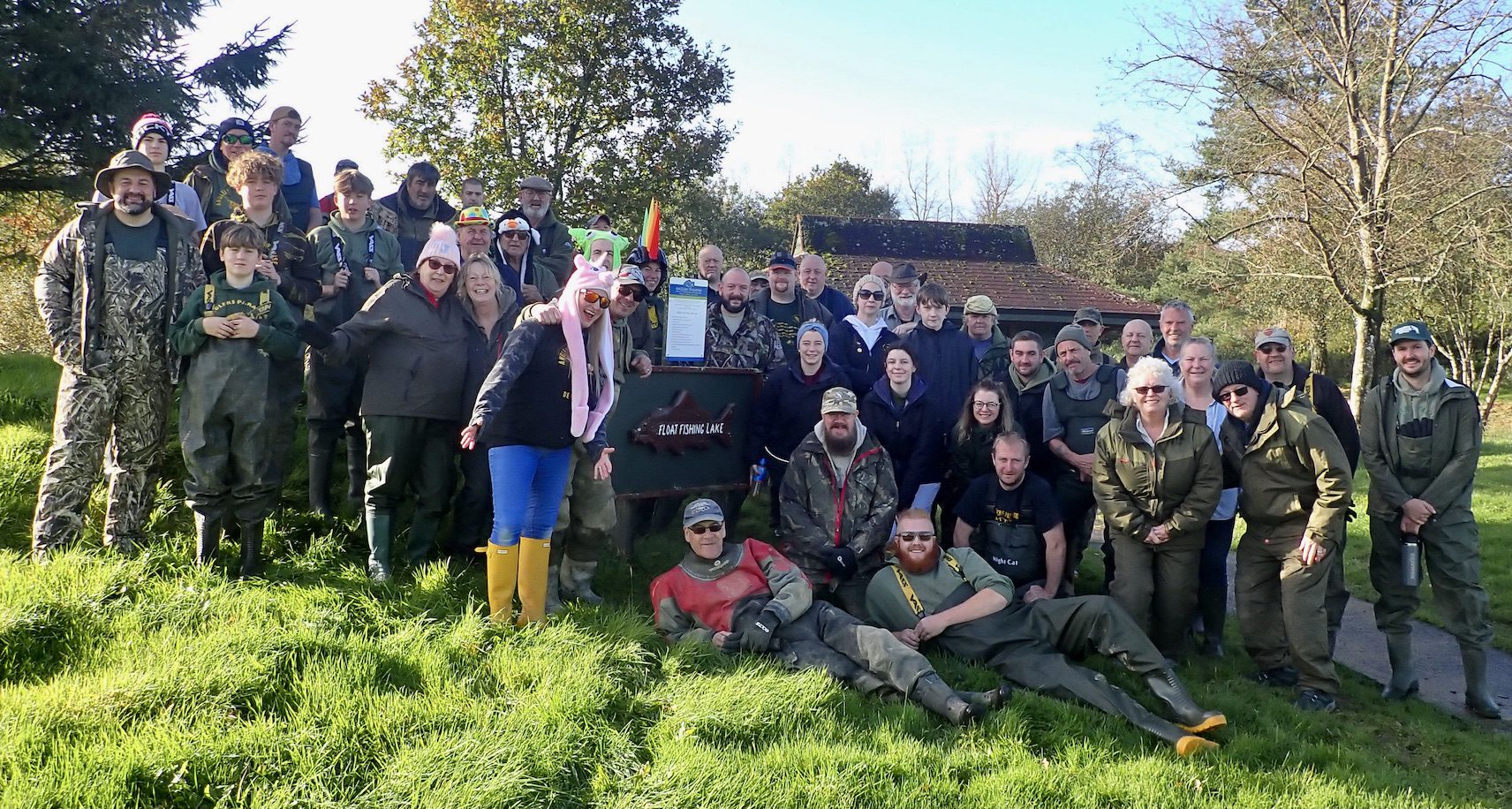
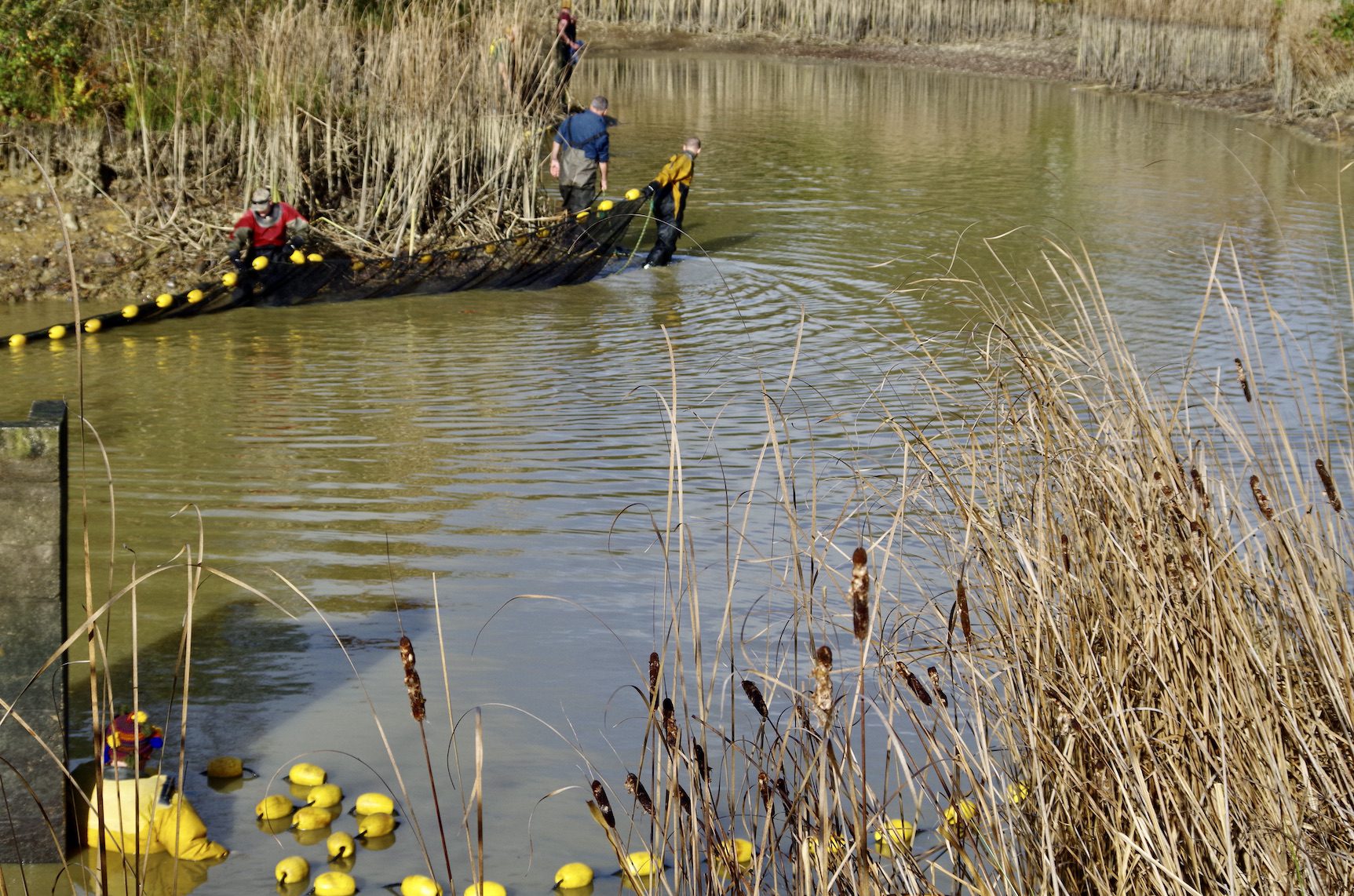
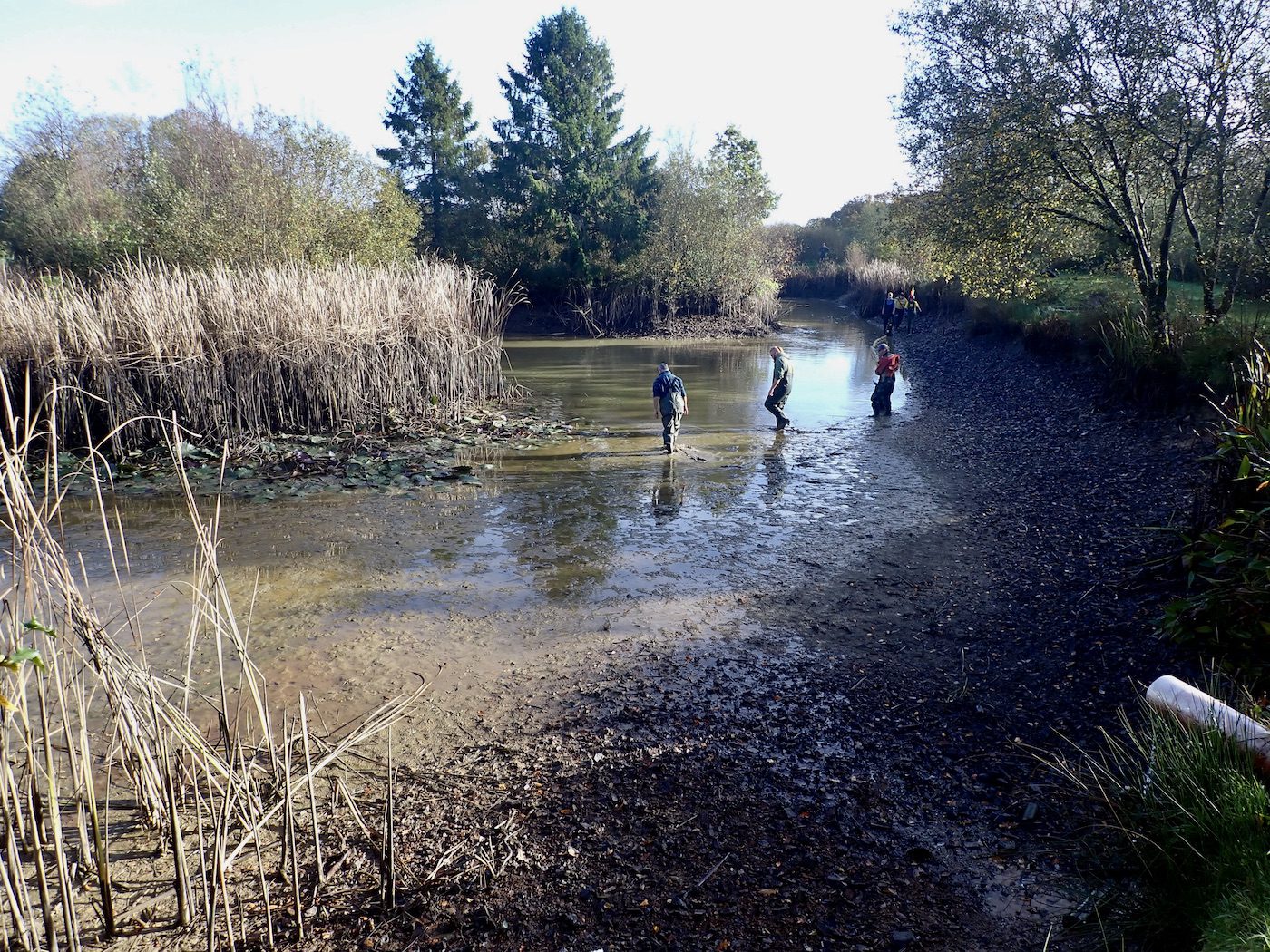
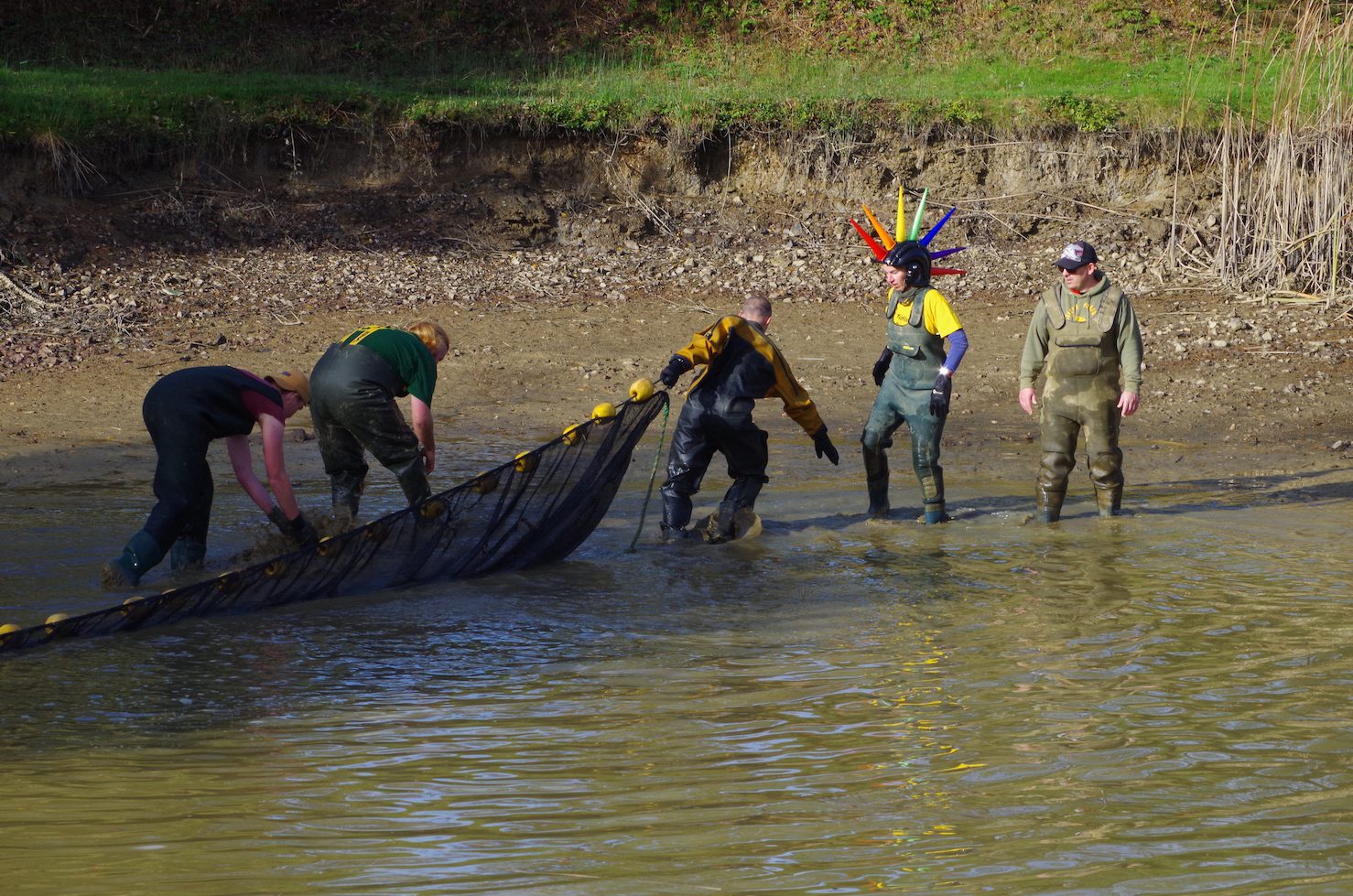
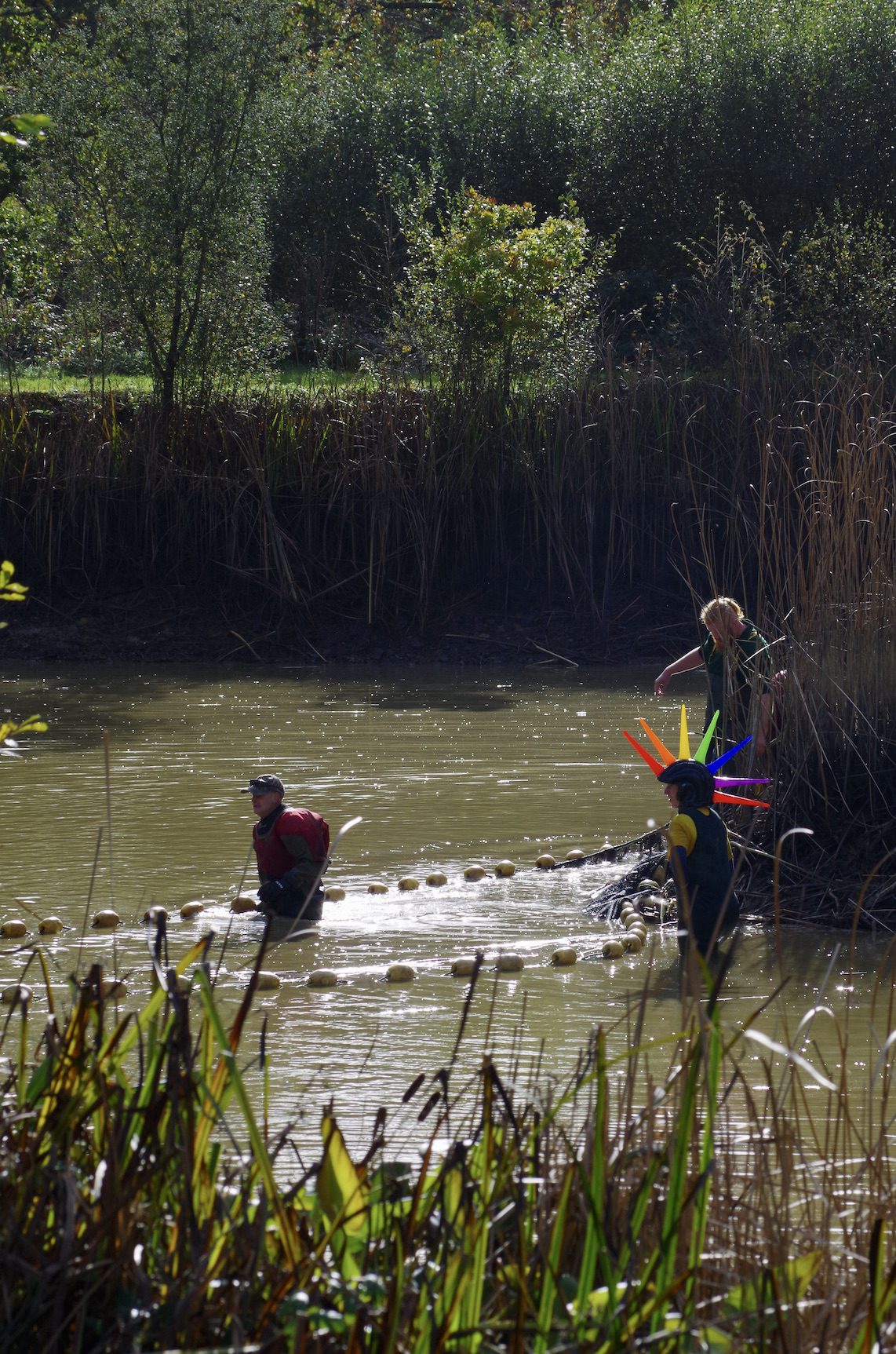
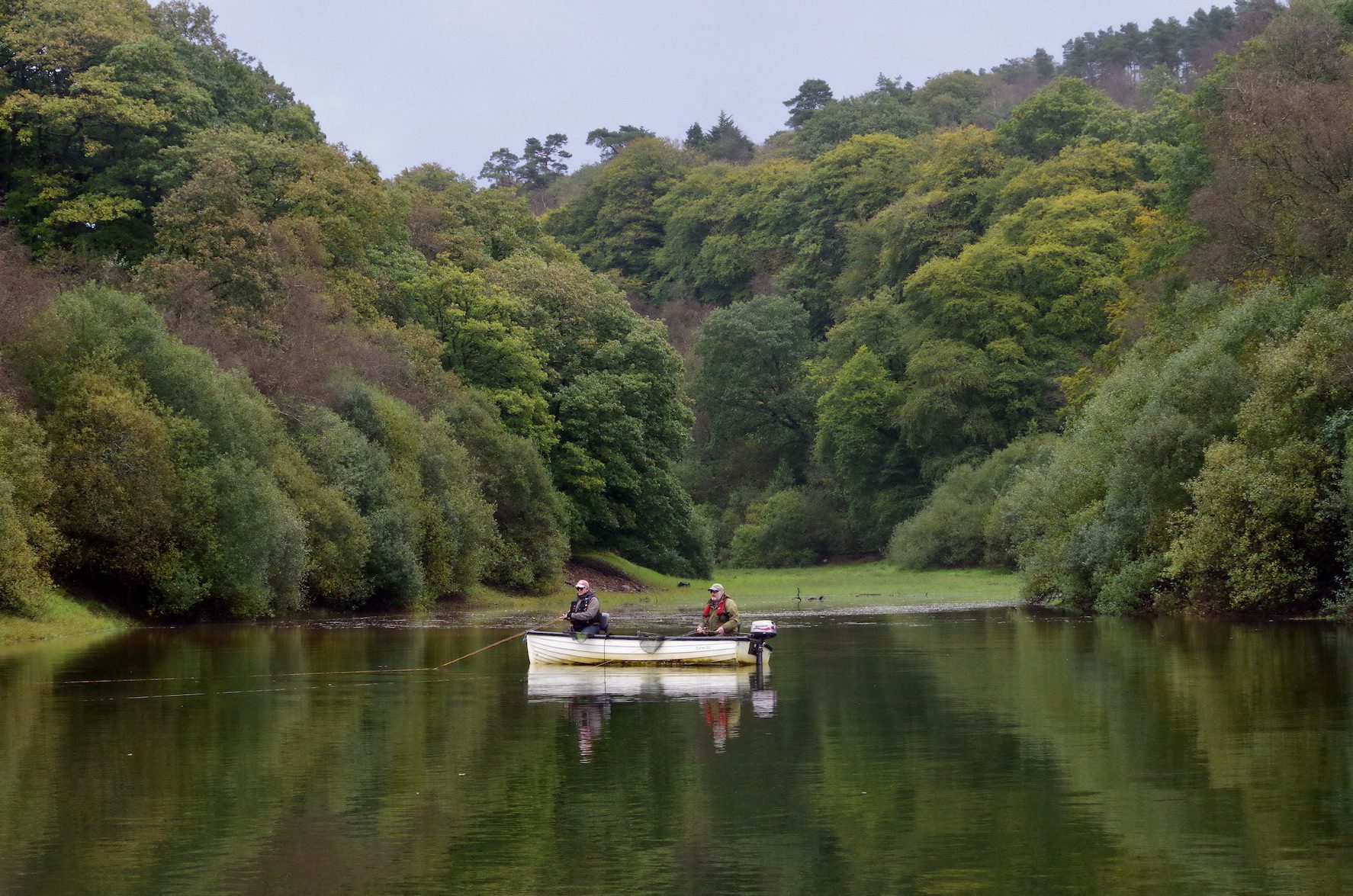
South Molton Anglers @ Bratton Water

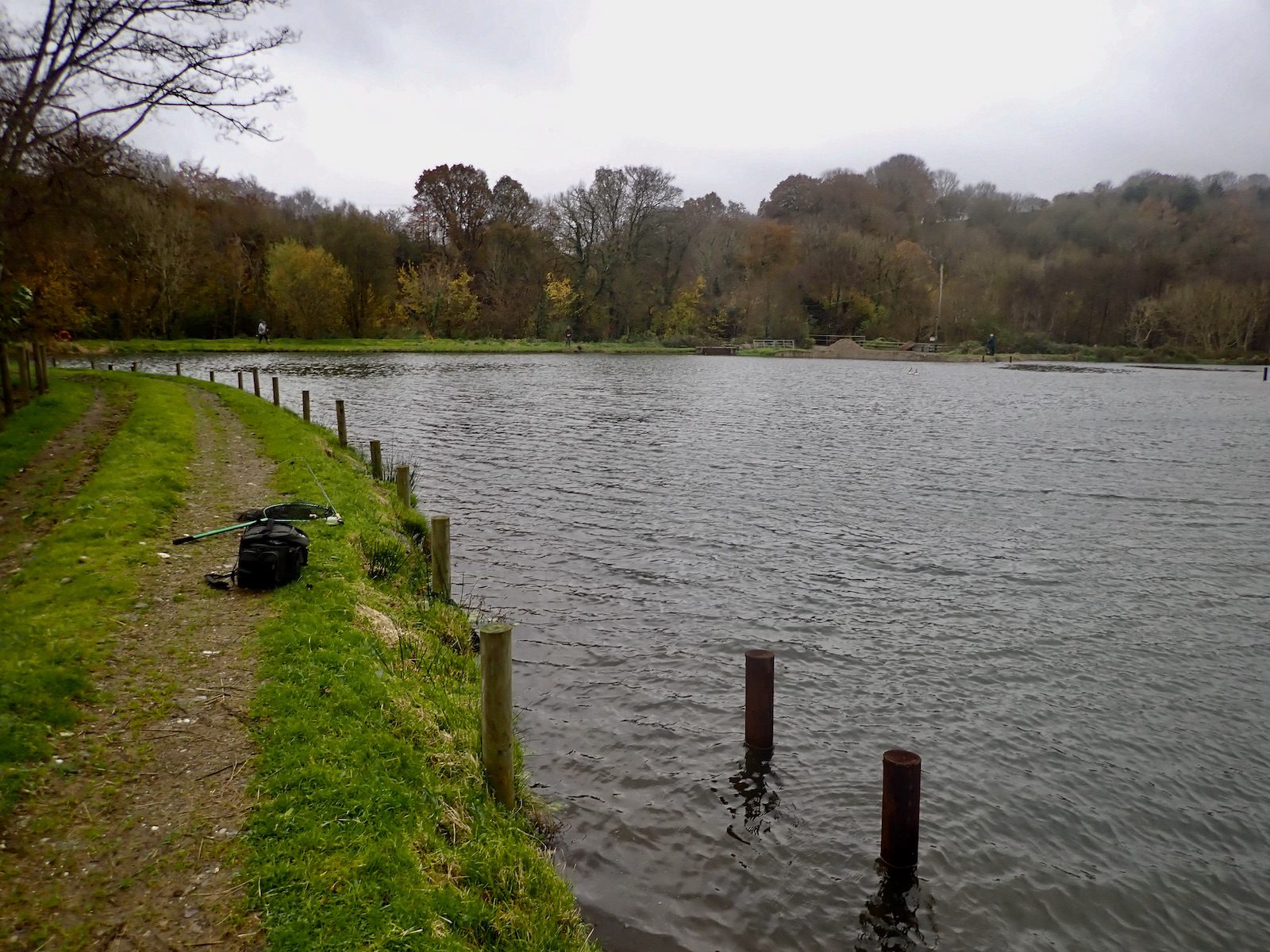
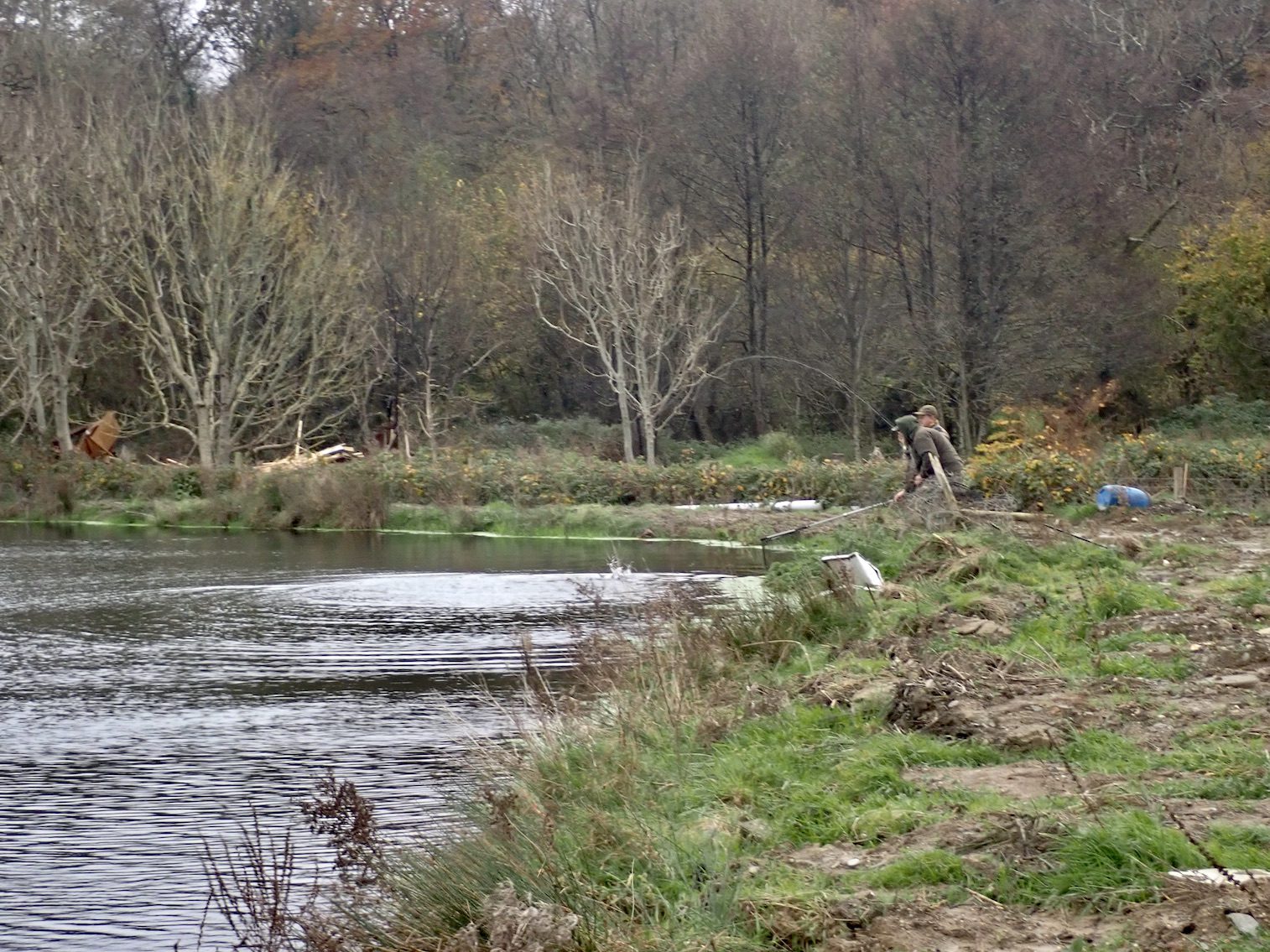
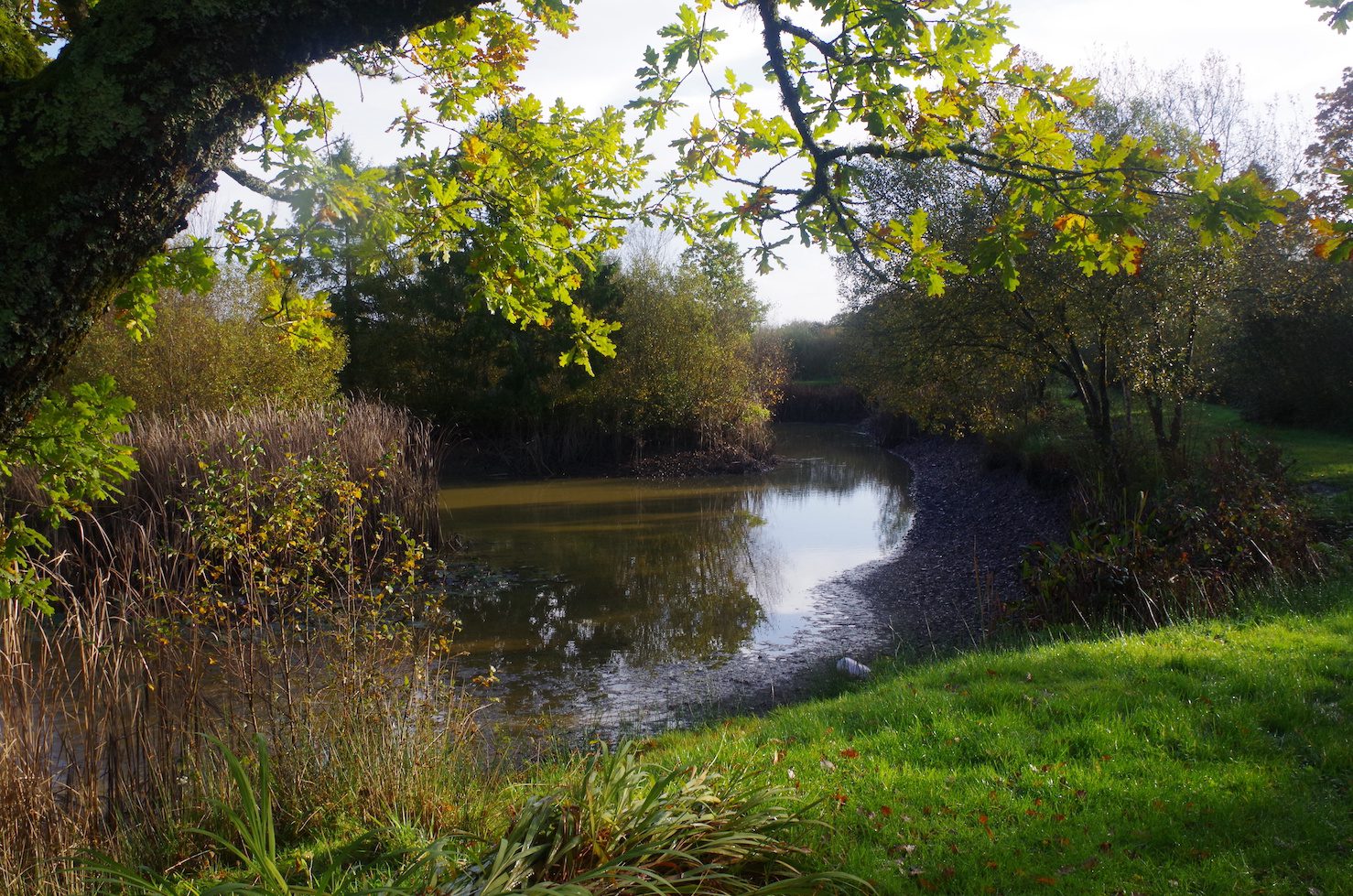
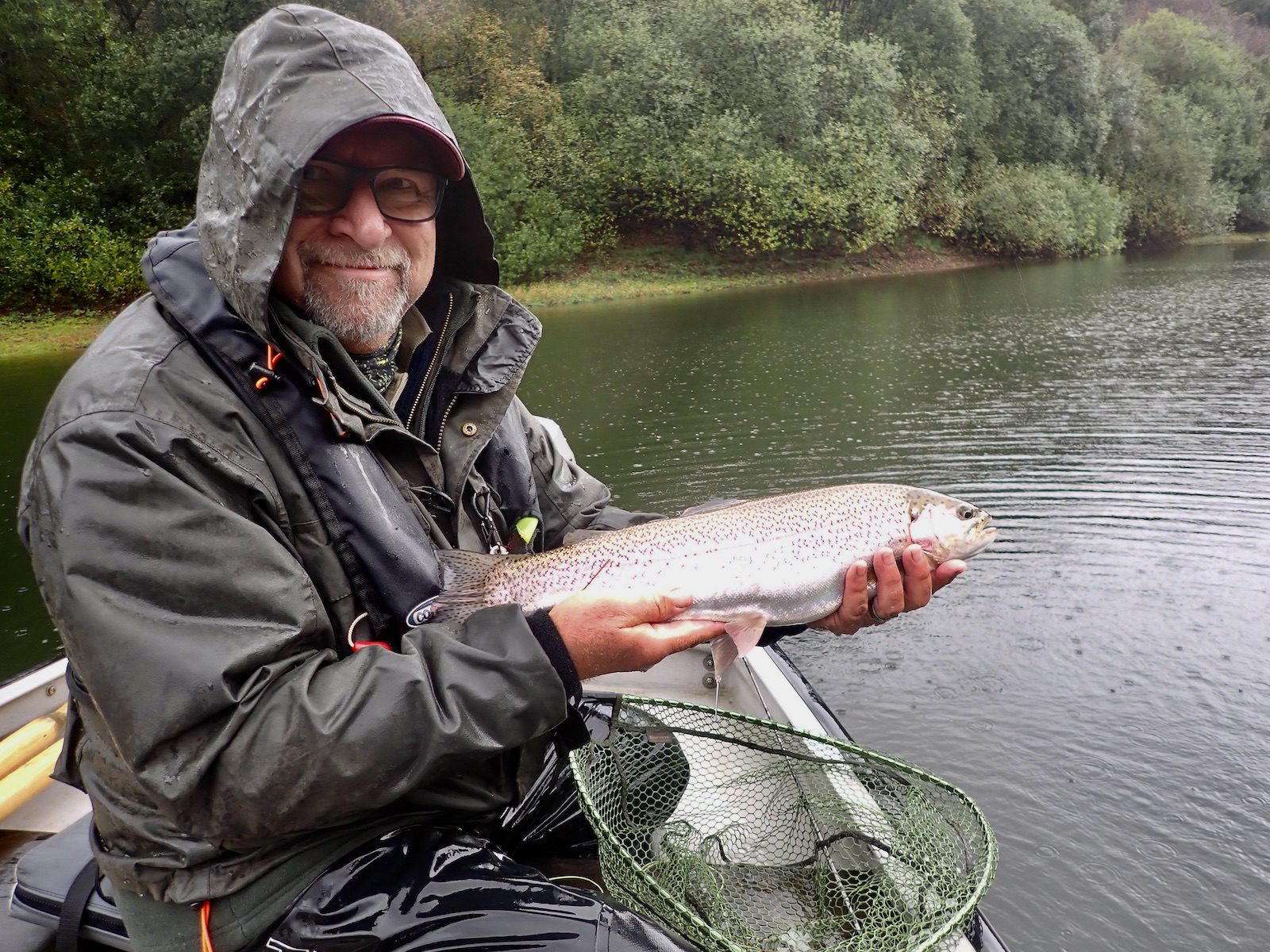
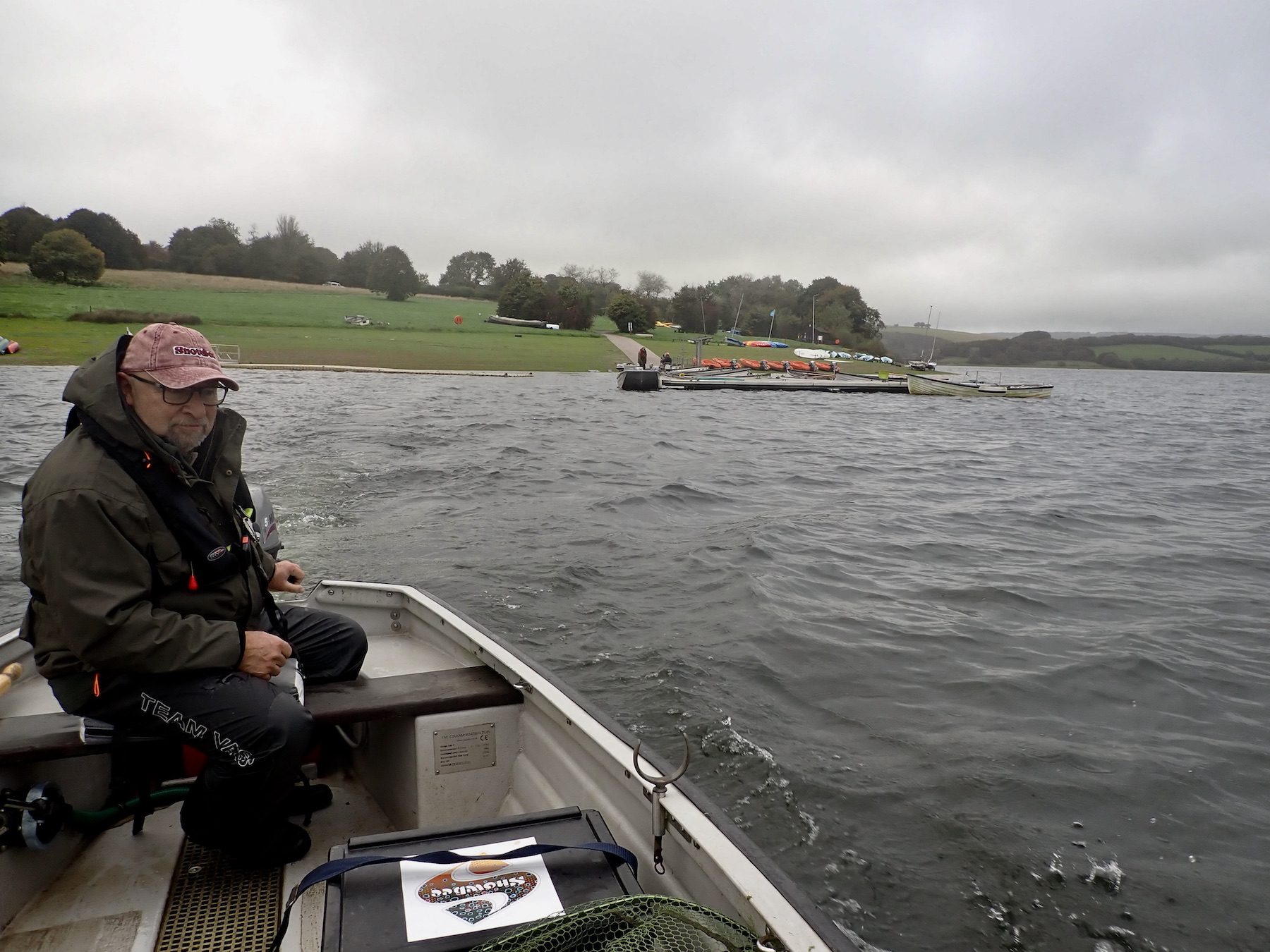
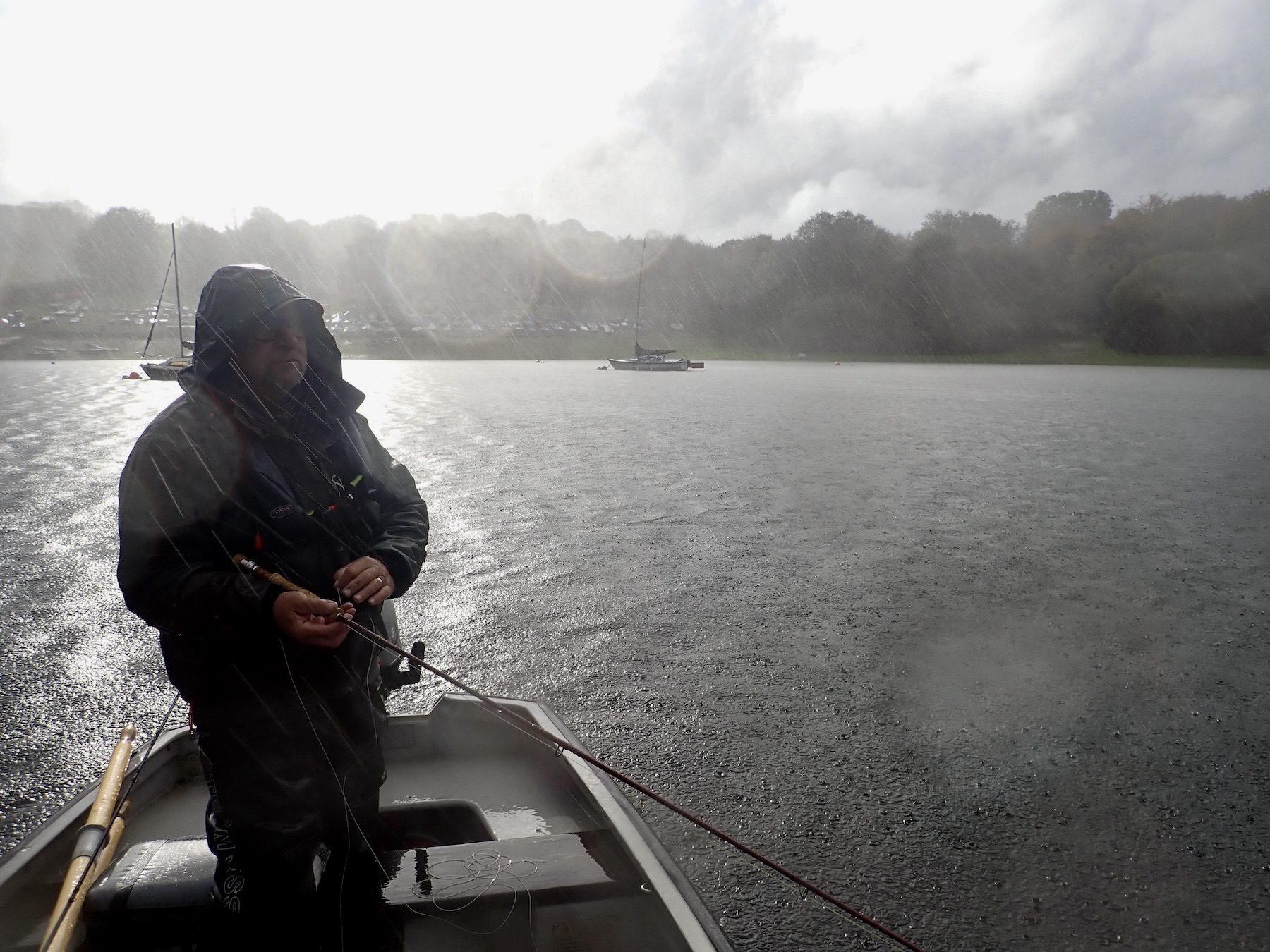
My experience at Bratton Water has often been that several trout are tempted early on but wise up quickly when several anglers are fishing. The water was crystal clear with tadpoles abundant in the margins. I set up with a team of small buzzers and nymphs and commenced searching the water in the first available swim.

The occasional trout could be glimpsed cruising and a couple of trout followed the fly turning away at the last moment. I caught two small rudd and missed a couple of trout.

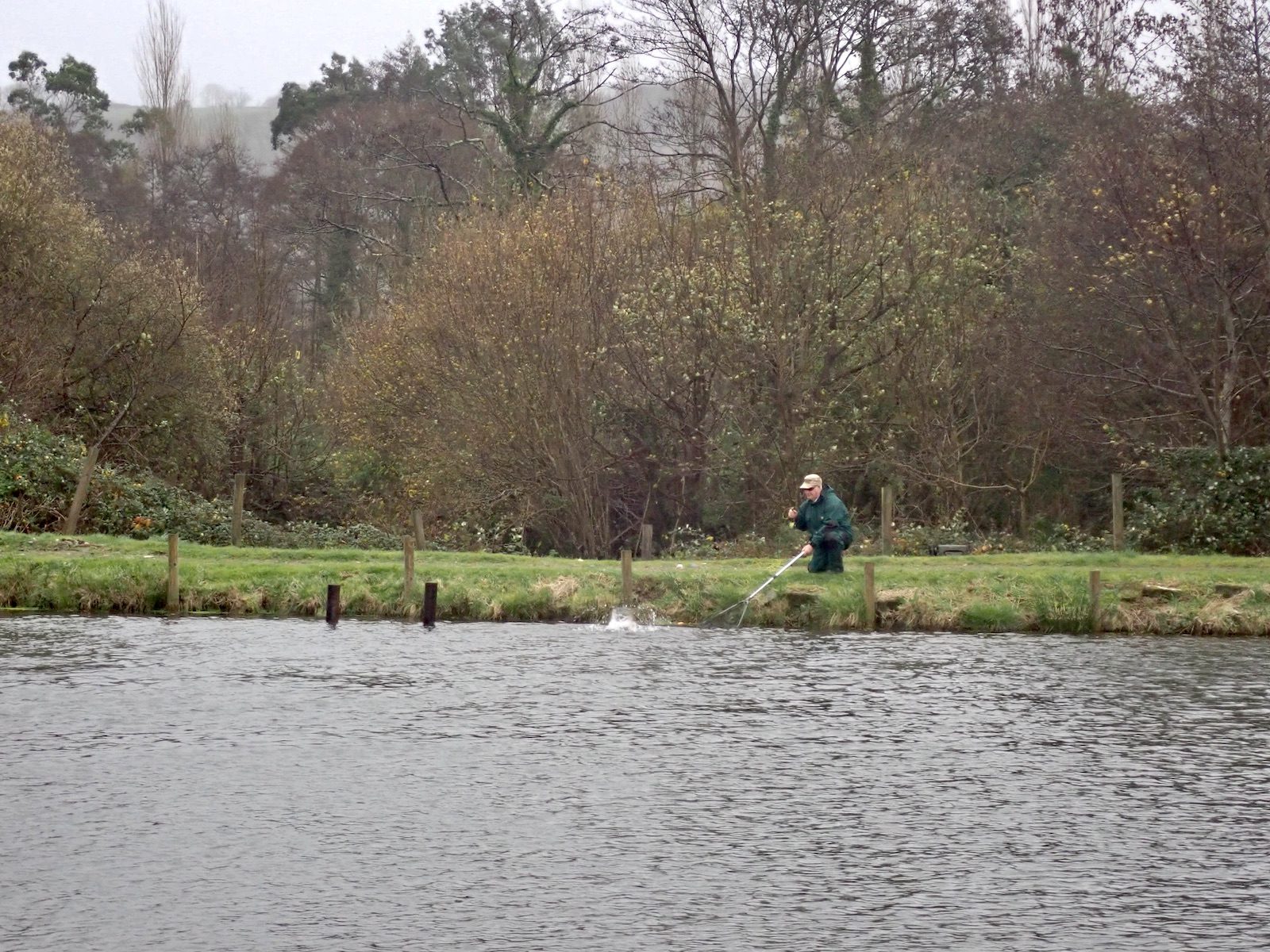
When fishing a small water like Bratton it is easy to keep an eye on other anglers and it was apparent that no one was connecting. When a swim became available in the middle spit on the lake I made a move. On the first cast I hooked a trout that shook the hook free. Several trout could be seen cruising a couple of feet below the calm surface. A good pair of polaroid’s prove an essential aid on small waters with clear water. Observing the trout’s behaviour will so often give a clue as to tactics.

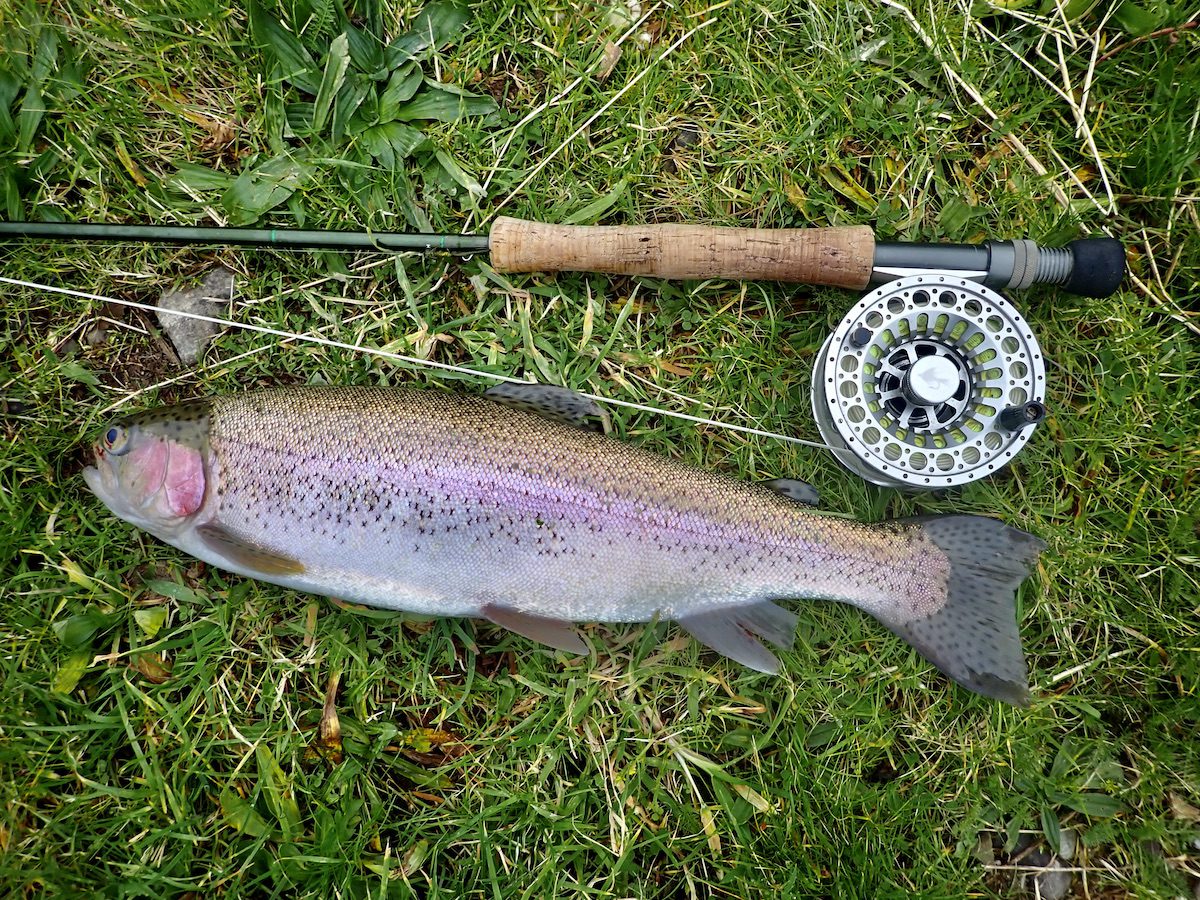
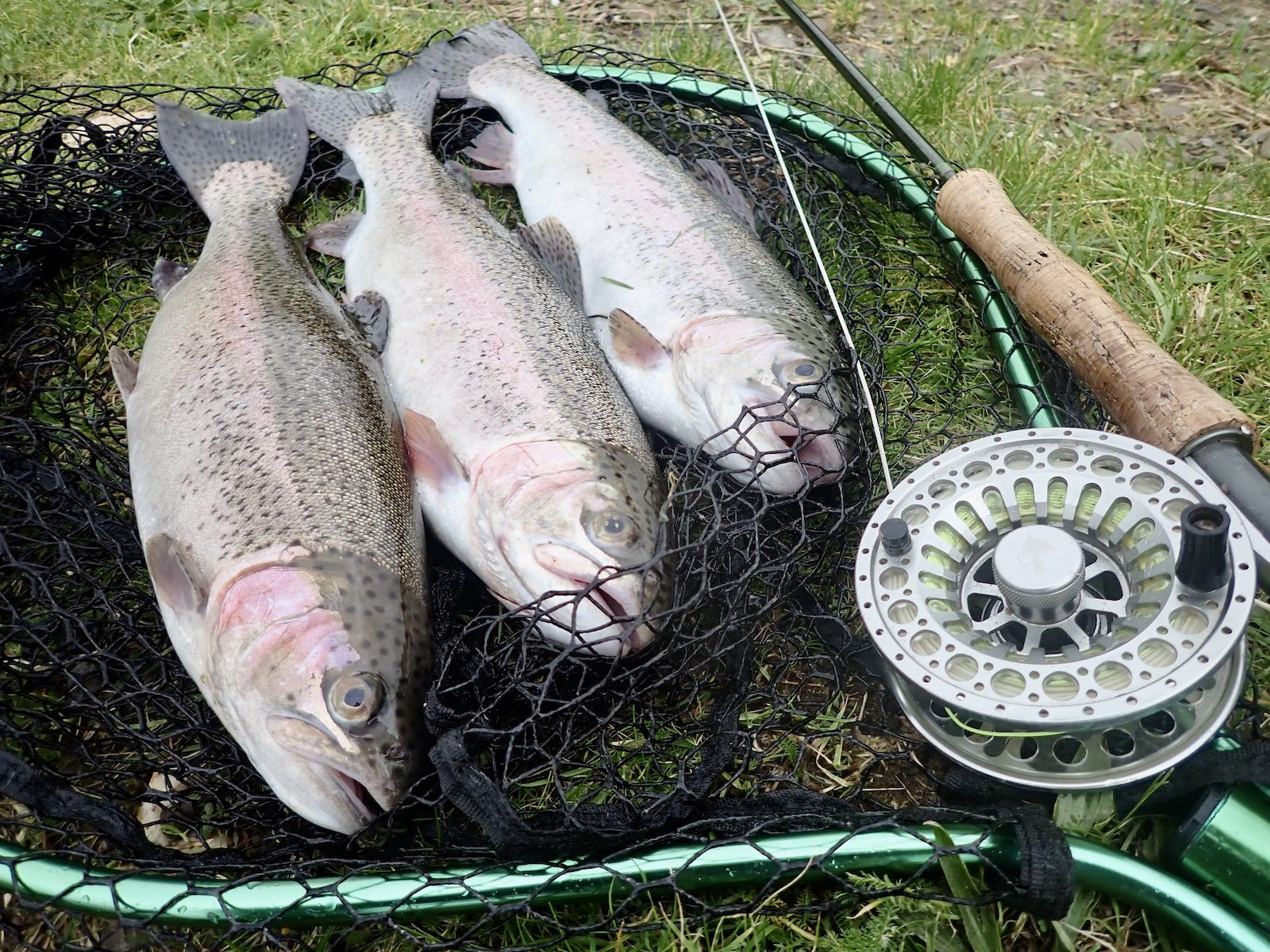
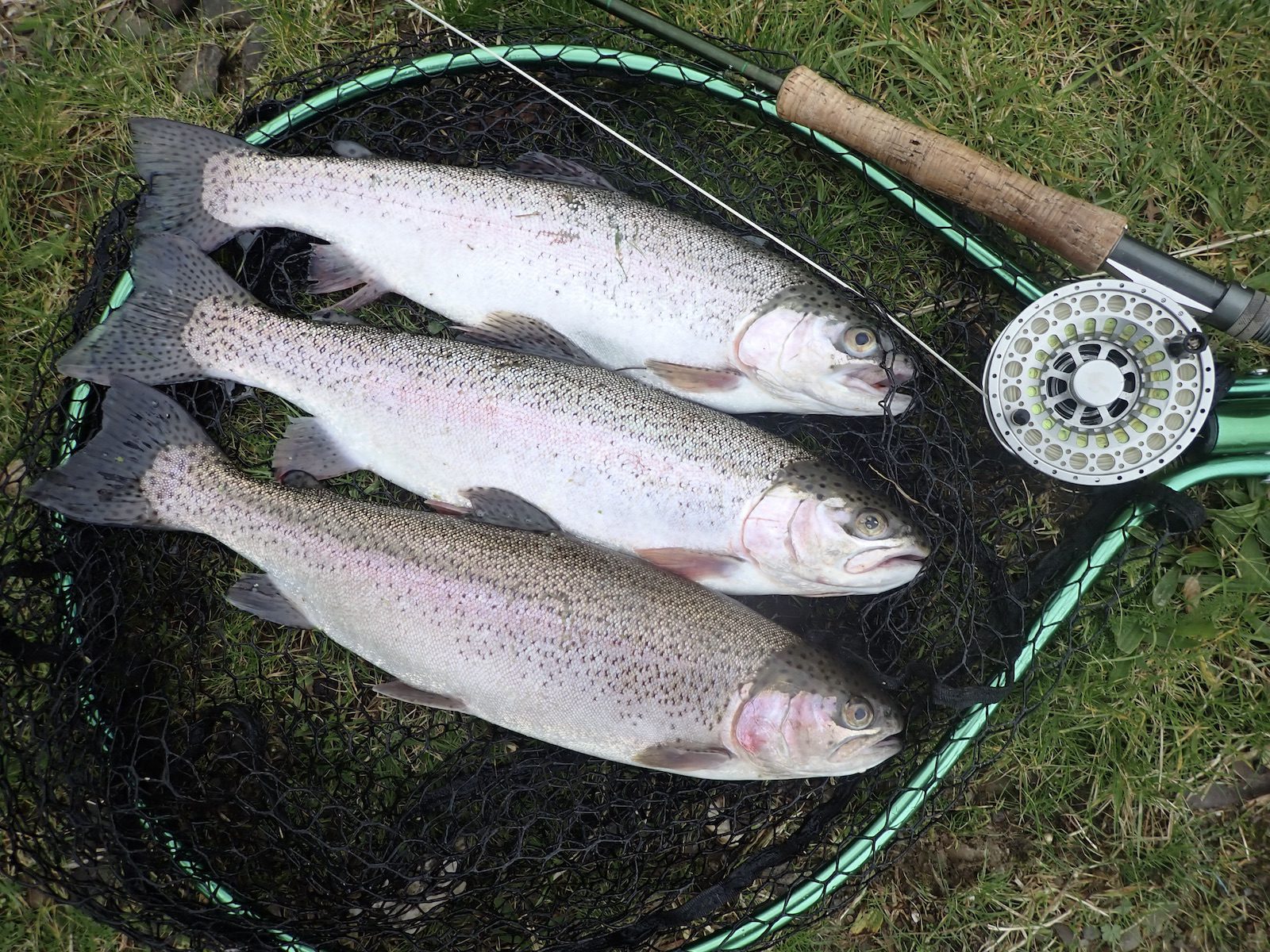
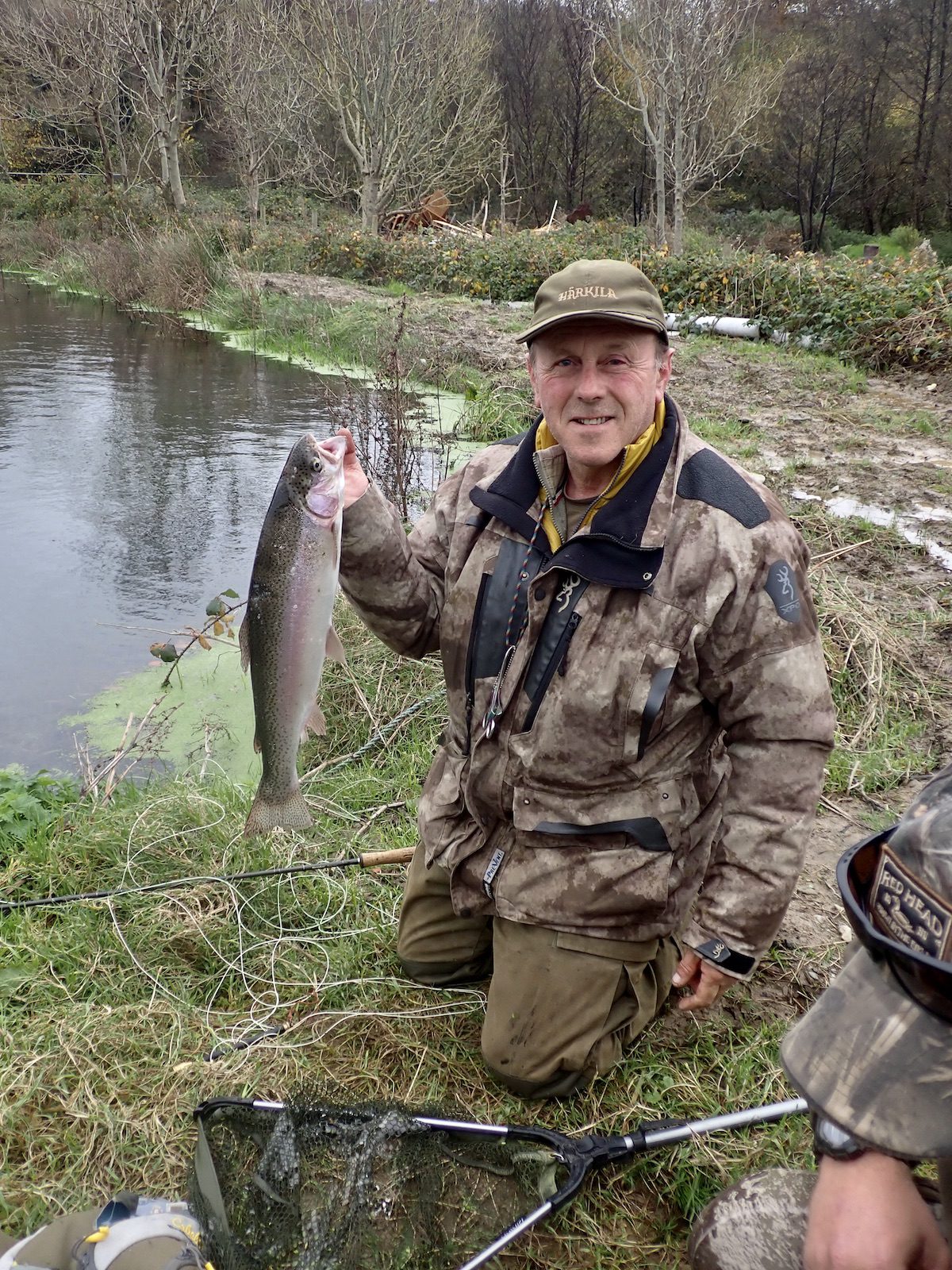
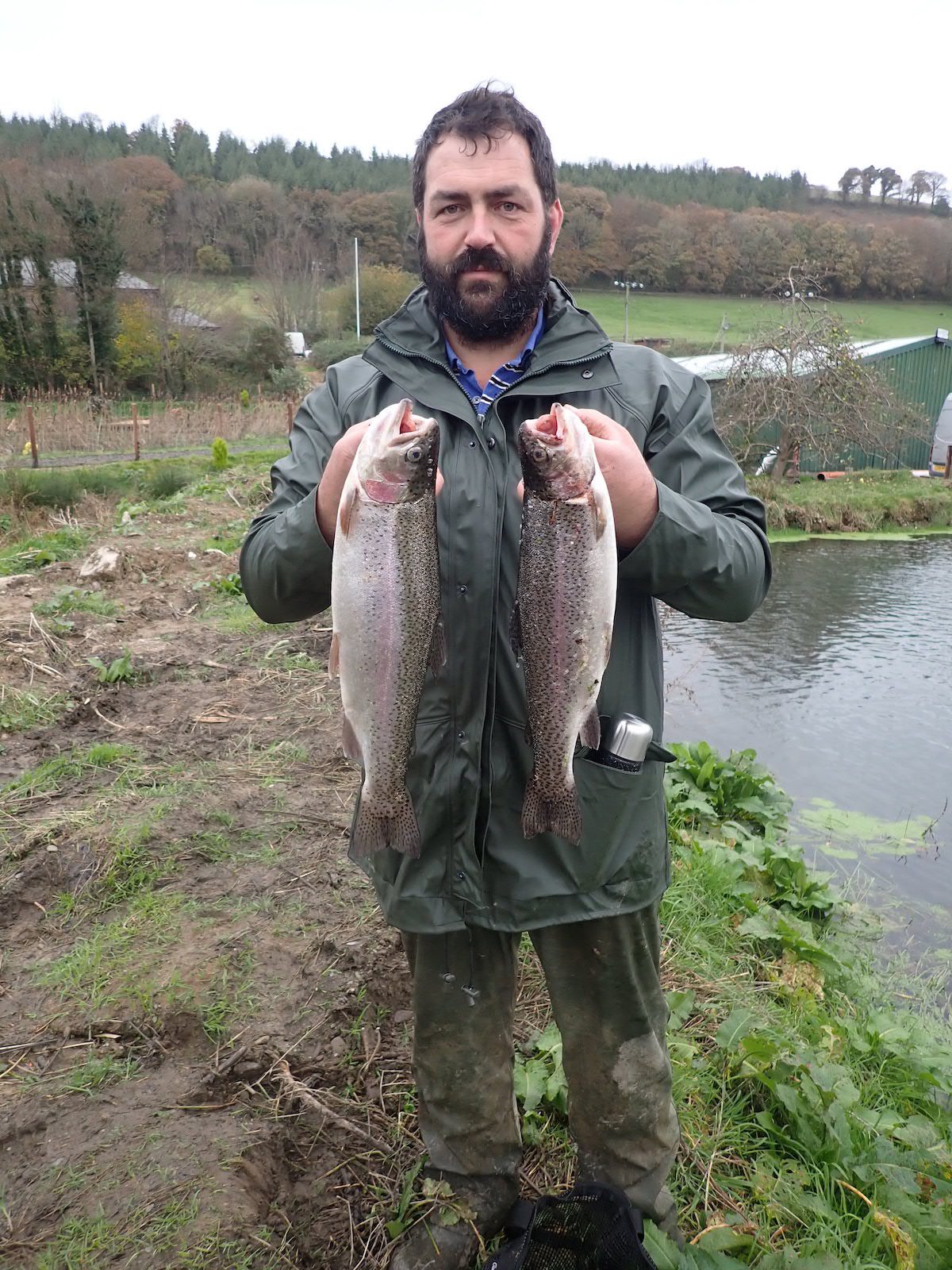
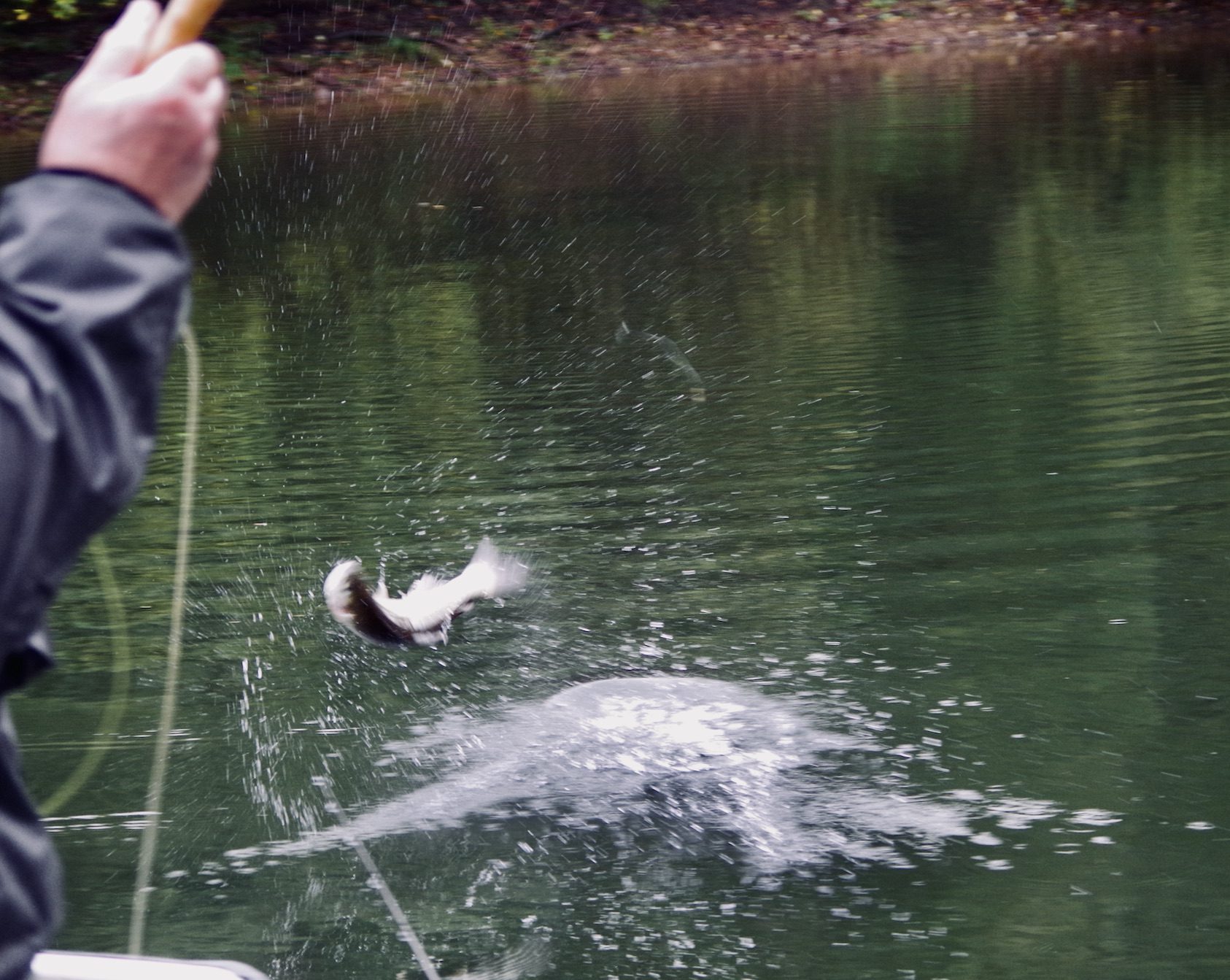
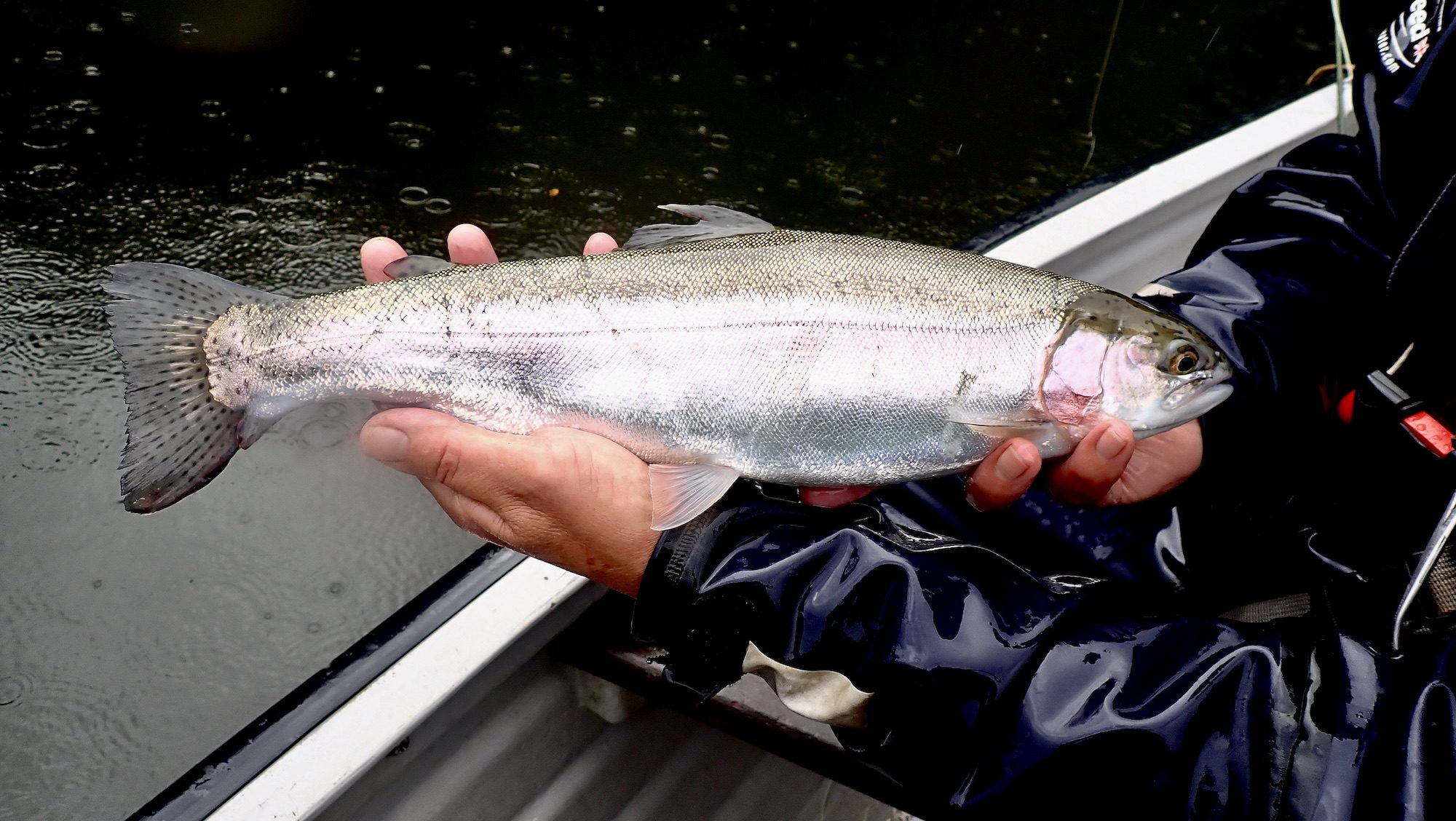
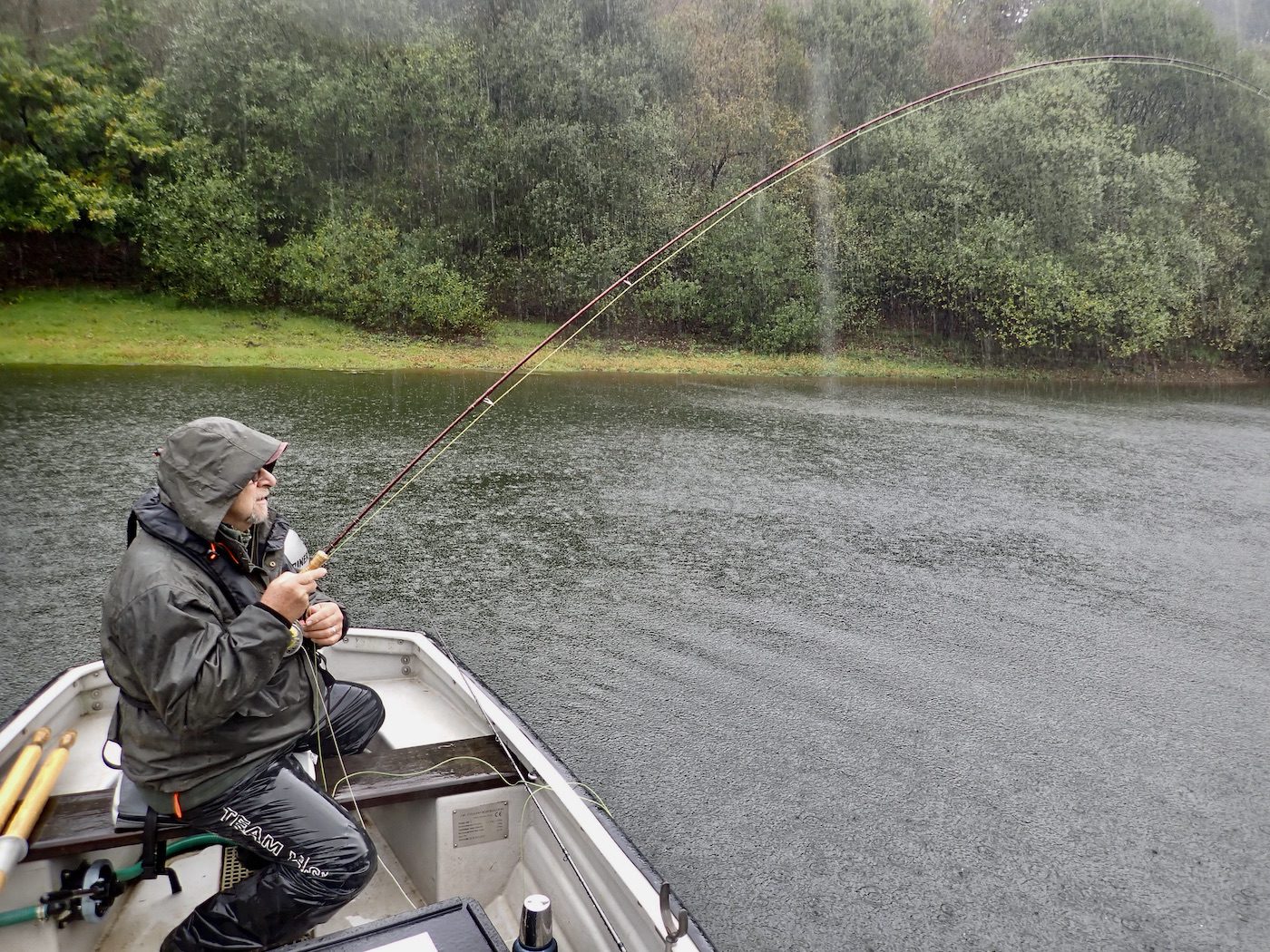
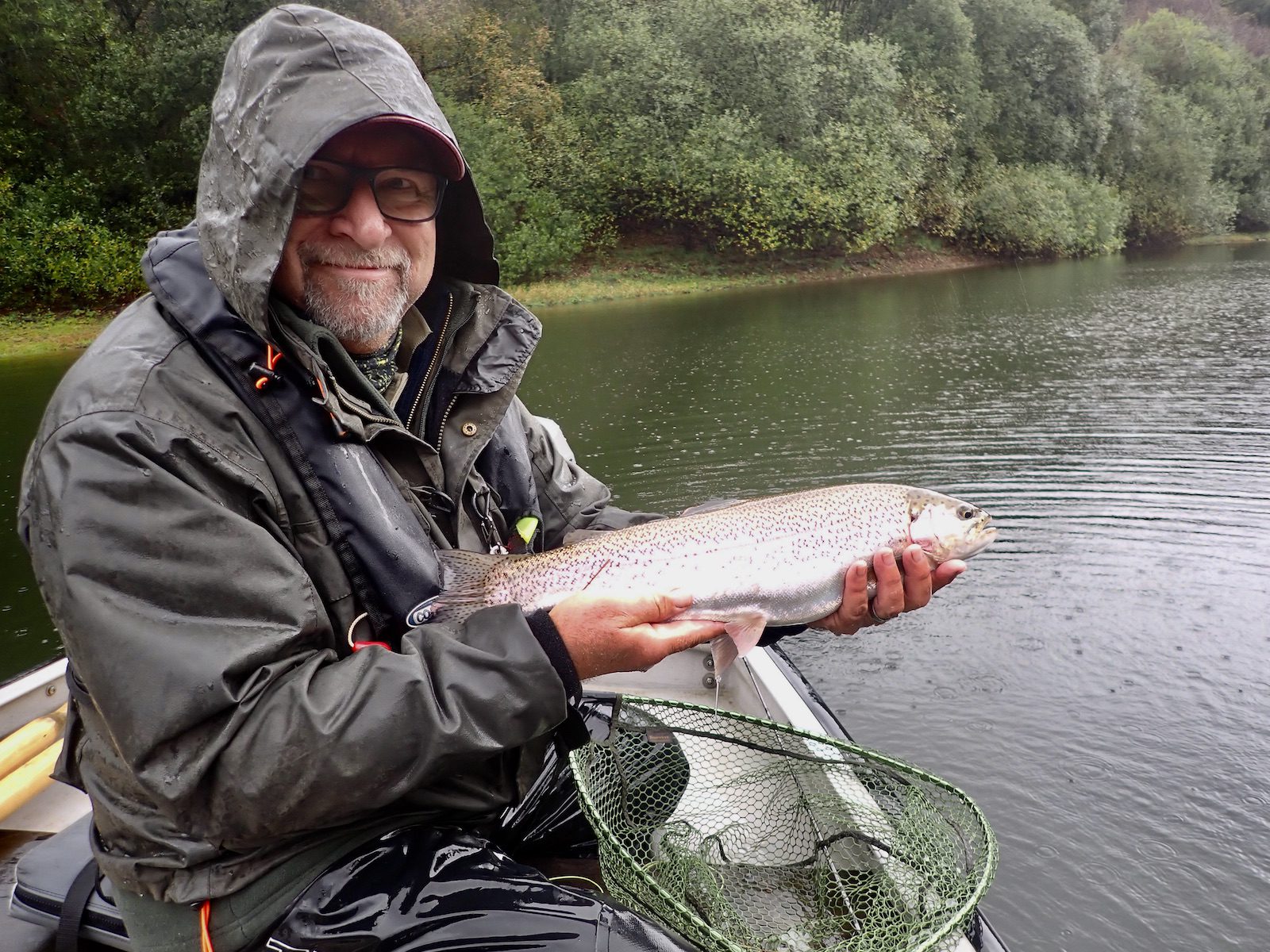
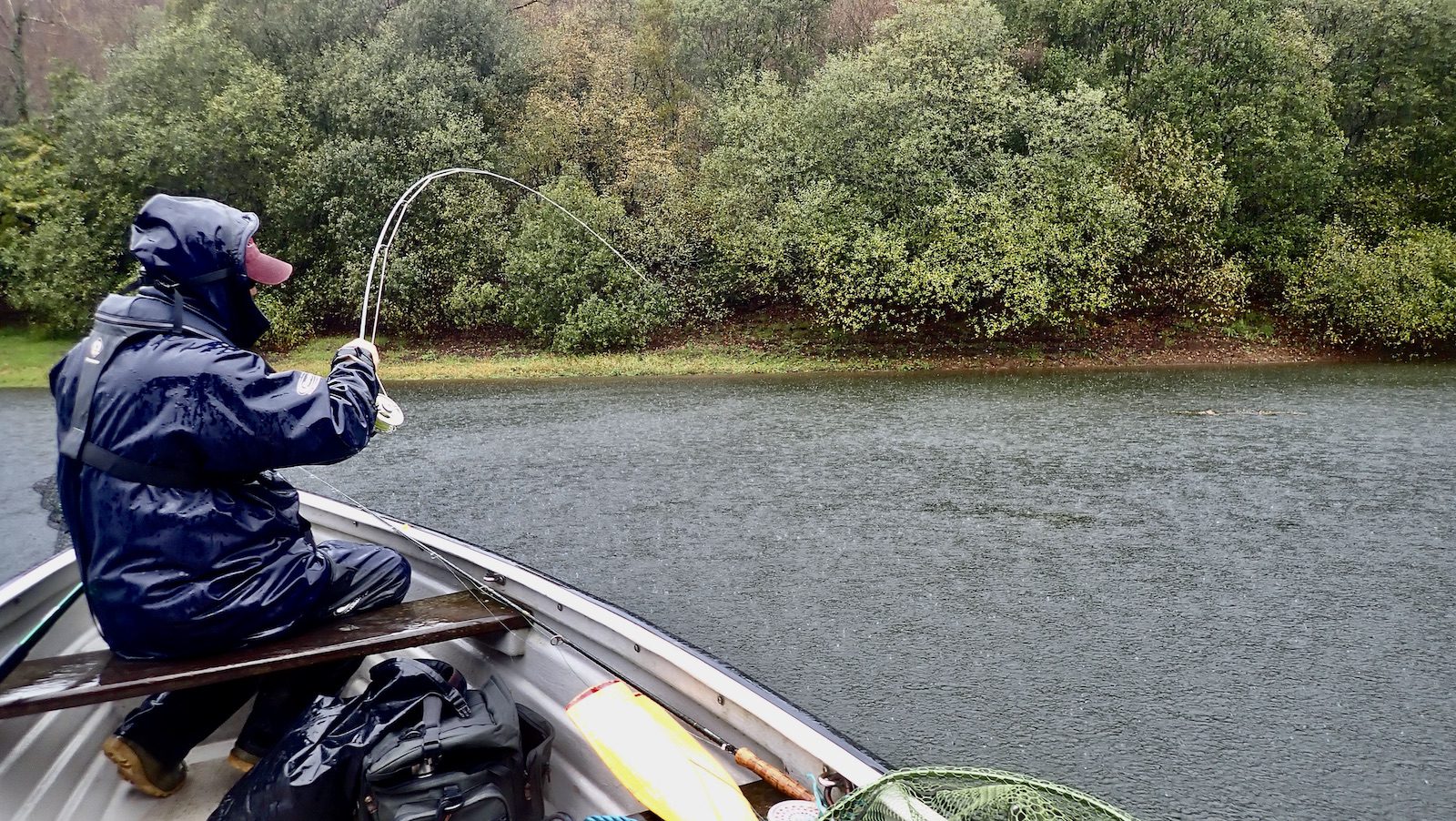
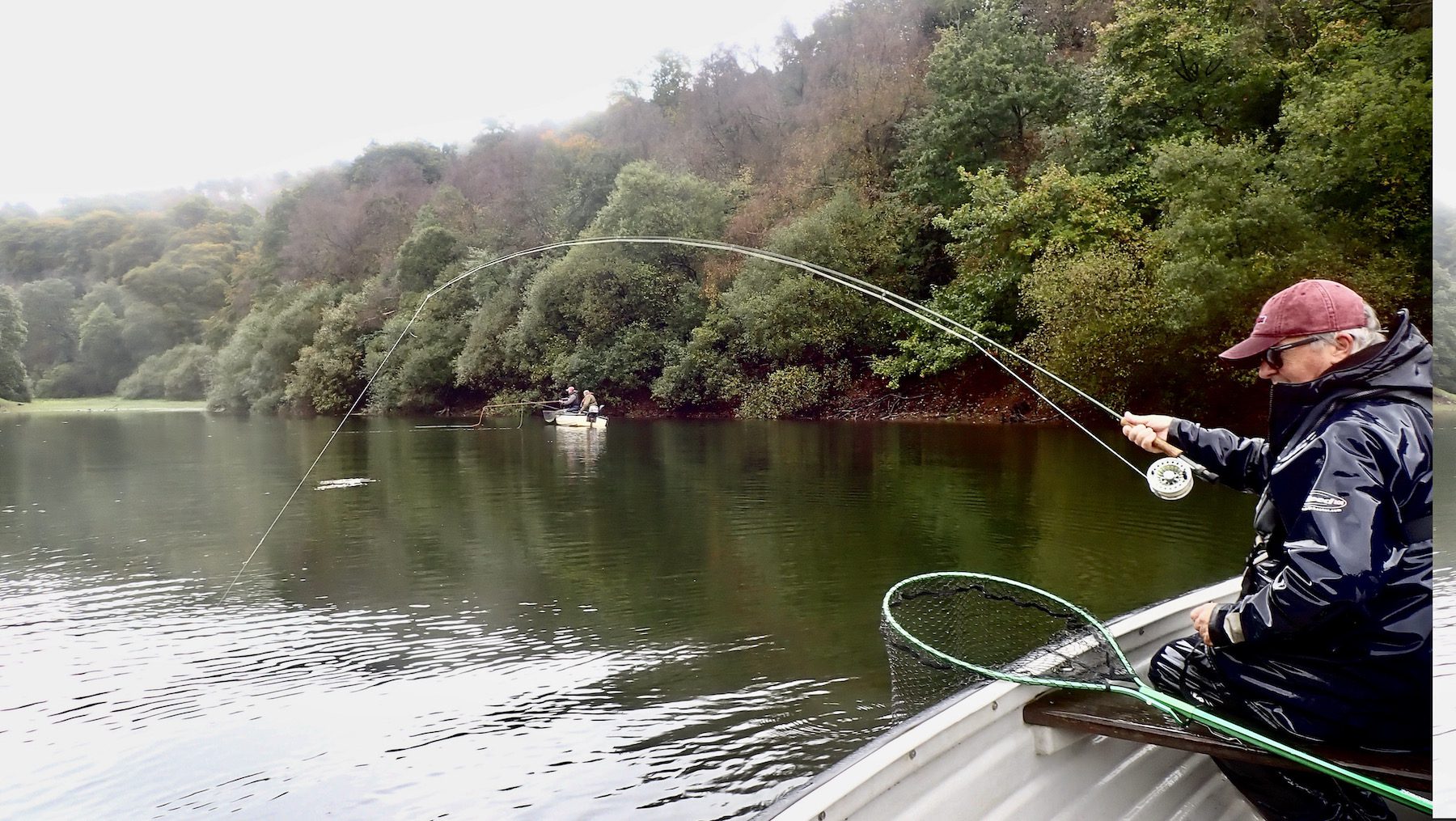
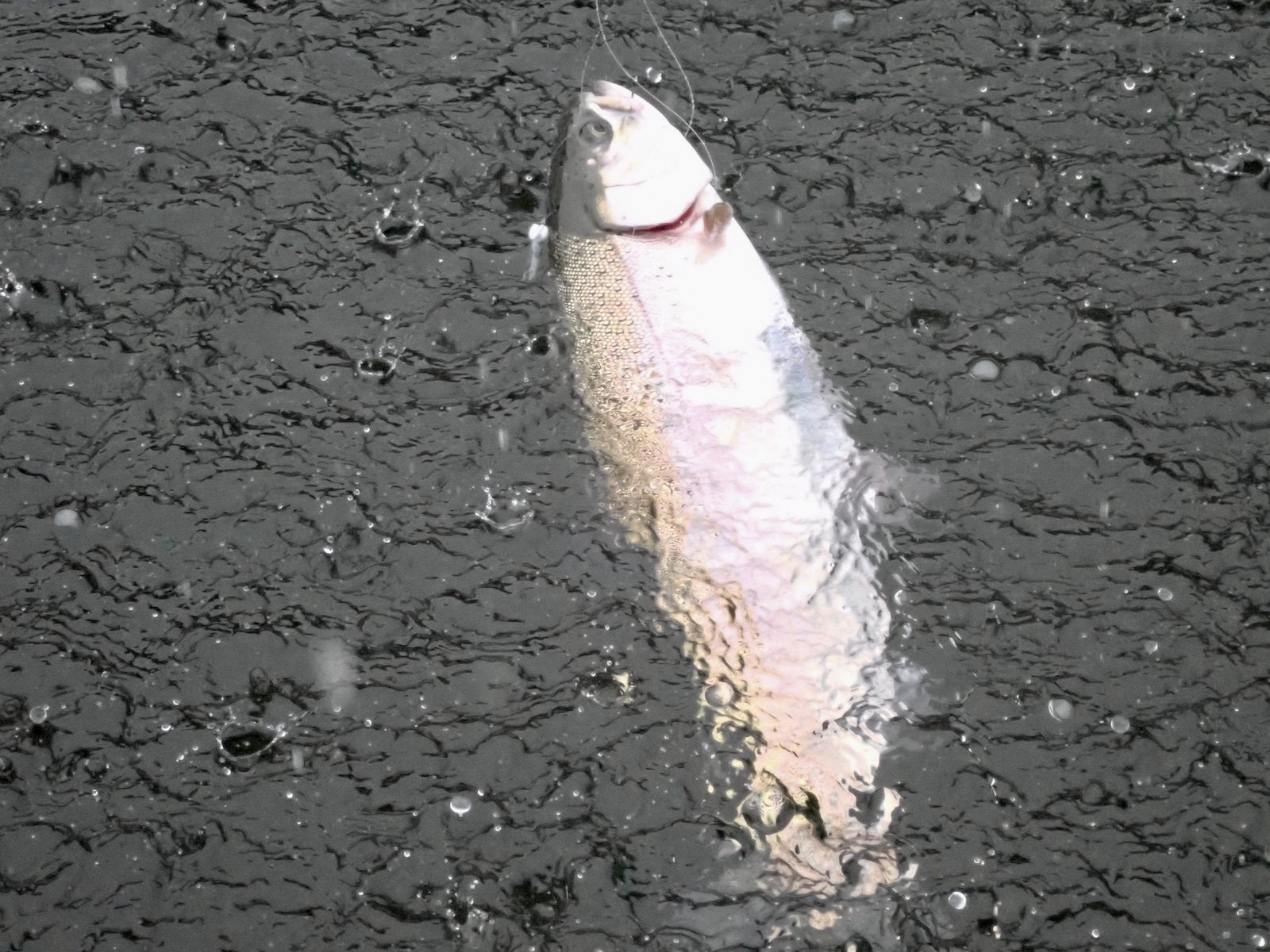
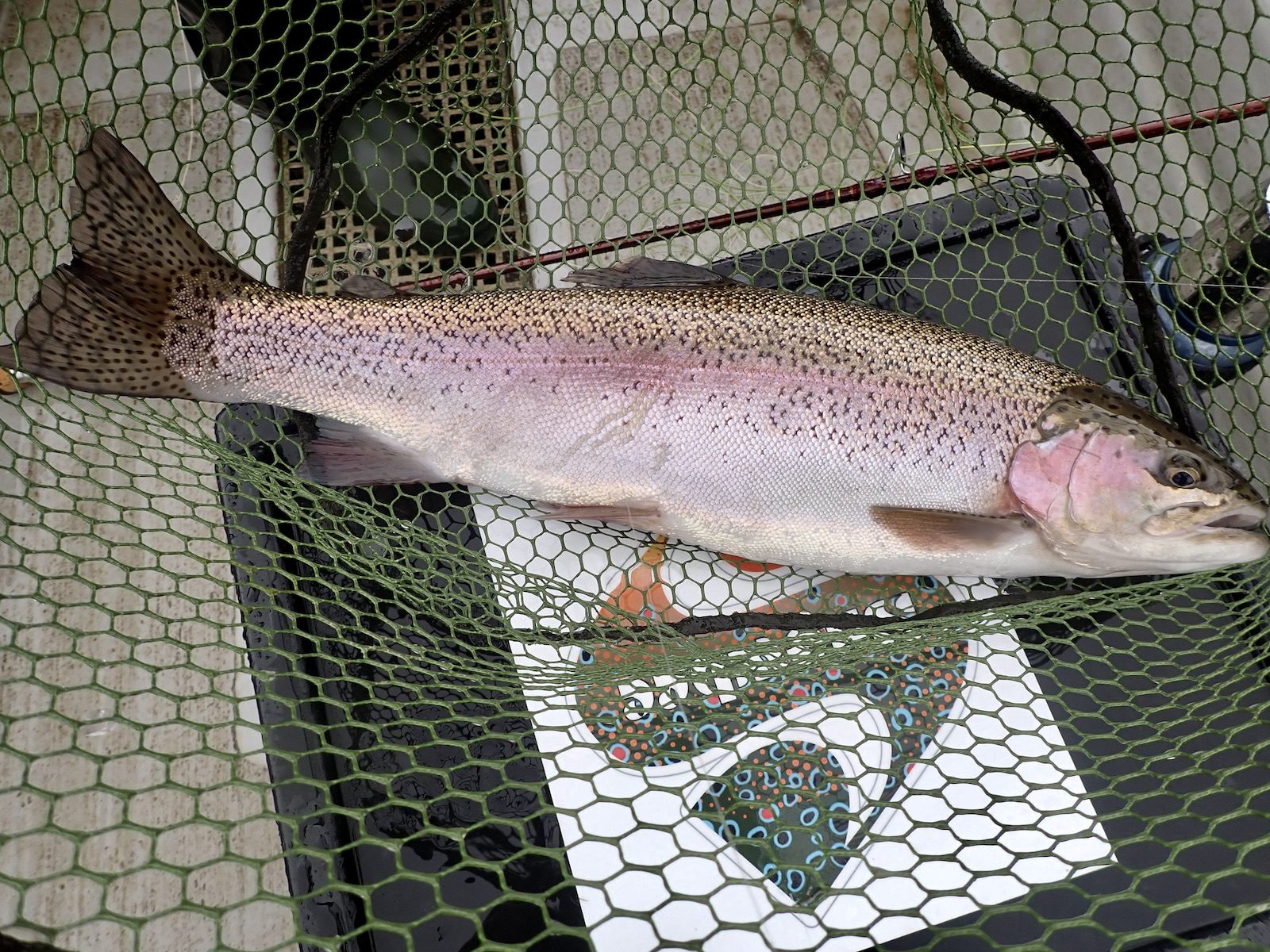
I decided on a change of tactics. I tied a small gold head PTN onto the point a diawl bach on a dropper and a bright yellow Klinkhammer on the top dropper. The buoyant Klinkhammer acted as an indicator. I cast the flies into an area in which several trout were circling and fished virtually static. Withing seconds of settling the Klinkhammer darted under and I lifted into a hard fighting rainbow. The same tactics brought two more trout within ten minutes completing my bag limit for the morning.

I chatted with fellow club members noting that the trout were now starting to move about slurping down the occasional fly from the surface. Several anglers’ lines tightened around the lake and it seemed that the trout had switched on. I wasn’t sure whether I had found the right tactics or whether the trout had simply switched on. All part of this fascinating game.


Trouting In Paradise

Anglers Paradise

I first visited Anglers Paradise over thirty years ago and at the time it was all very new and I wasn’t too impressed with the rather stark collection of large ponds and lakes. At the time I frowned upon the extensive commercialism that was creeping into angling.

Today when I visit Anglers Paradise I rejoice in the amazing transformation of the complex nestled deep within the heart of Devon the thirty plus lakes have matured along with the extensive woodland and wetlands that now provides a diverse habitat abounding with wildlife and fauna.

At the heart of the complex is of course Anglers Paradise the vision of  the colourful character Zyg Gregorek. The  luxury holiday destination for thousands of  happy families over recent decades and famous for its wealth of fishing opportunities.

On this occasion I was visiting the Nirvana Trout lake with Snowbee Ambassador Jeff Pierce. Recent reports had hinted at some rather special trout residing in this 2-acre lake including specimen tiger, rainbow, blue, brown, golden trout and artic char. The lake is strictly catch and release with unhooking matts and rubber nets mandatory along with barbless hooks, single fly and minimum line of 10lb b.s.

We met up in the lakes car park at 9:30am and looked out to the lake across the grass meadow that was punctuated with hundreds of  pale pink cuckoo flowers commonly known as lady’s smock. Wispy white clouds drifted high in the bright blue sky and bird song resonated all around. I passed Jeff a fresh jam doughnut and poured a coffee. A days fishing ahead life doesn’t get much better than this!
We both set up with light 6 -wt rods with floating lines and walked confidently to the lake. The water was crystal clear with tadpoles swimming in abundance along the margins.

            We started fishing on the near bank both of us opting for damsel nymphs. After just a few minutes Jeff called out with his rod well bent and a good trout darting to and fro in the middle of the lake. I rushed over and did the honours with the net, thrilled to share in the moment. A fine tiger trout of close to 3lb was a great start to the day.

            We fished on for half an hour but Jeff and I both eyed up the far bank where several fish broke the surface on a regular basis. The water was deeper on this bank. On just the second cast Jeff was again in action his rod hooped over and his reel singing as line was ripped from the spool at an alarming rate. Several anxious moments followed as the fish headed for the  concrete overspill monk. Pressure from the rod soon told and a fine rainbow that must have been close to 6lb graced the net.


            Being catch and release we had both elected to leave the scales at home and not give the fish a number. A quick release of the trout with an absolute minimum time out of the water is essential to maintain these valuable pristine stock fish.

            The day progressed beneath the bright blue spring sky. Swallows swooped over the water and an early brood of mallards navigated the lake. The harsh strum of a woodpecker came from the nearby wood. We both fished hard and I glimpsed a couple of fish close to my flies but nothing actually connected.

            The bright sunshine and light easterly breeze gave us an excuse for a slow day. Large numbers of hawthorn flies were blown onto the water and we assumed it was these that the fish were occasionally slurping down from the surface.

            The morning drifted past all too soon and I suggested we head back to the cars where I fried up some sausages that were devoured with fresh rolls and ketchup. This wasn’t a healthy eating day!
            With the fishing proving hard we discussed tactics and I elected to set up a second rod with a sinking line. I tied on one of Jeffs bead headed damsels and returned to the deeper side of the lake. We both searched the water and I eventually made brief contact with a powerful fish that threw the hook. After six hours without a touch my confidence was given a boost. Jeff had a good take from a fish that he glimpsed in the clear water before it too threw the hook.

            It was now late afternoon and the prospect of a blank was starting to loom. I hooked another trout that again came off after a  few seconds. Surely persistence would pay off? With very few fish now rising I was convinced that my best chance was to persist with the tactics of a deep damsel.


            Suddenly a savage pull came through the line and I lifted the rod to feel a heavy fish pulsing deep down in the clear water. The loose line was quickly stripped through the rod rings and I let the fish run as I carefully applied pressure. After several tense minutes the fish was holding deep beneath the rod tip. I put the rod into a deep curve and we both peered into the dark water for that first glimpse. Jeff exclaimed “wow what a fish !” as  the flanks of a  large tiger trout appeared. I patiently applied pressure guiding the magnificent fish over the nets rim.


            The barbless hook fell easily from its jaws and we admired the fish in the net before lifting it from the water for a quick grip and grin before slipping it carefully back and watching it swim away strongly with a flick of its broad tail.

            I could have packed up then but I wanted to savour the moment and after all perhaps the fish had just come on the feed? Five minutes later my line once again zipped tight and another hard fighting tiger was secured and briefly admired.

            At two all it seemed a good time to pack away for the day. Memories made and plans made for a return visit to Paradise next spring.

Prior to that I have a trip in search of  the catfish of Eldorado during the summer.

Anglers Paradise

South Molton Angling Club – Adventures at the waters edge

South Molton Angling Club hold bank clearing sessions generally focussed early in the fishing season. I arrived at the River Bray an hour before the working party were due to meet and wandered down below the bridge with a rod to flick a heavy nymph and a spider pattern into a couple of deeper runs. It’s always interesting to take note of the signs at the water’s edge telling of previous visitors. I noted the likely prints of an otter and a Heron that had enjoyed an early morning fishing session before my arrival.

They would undoubtedly have been far better fishers than I as I smiled at my early season incompetence when I snagged my fly in the river bottom and gave it a tug. The fly came loose and was catapulted into the tree branch above, I then managed to knock my cap off into the river giving it a drenching.

As I walked back to the car and the work party I glimpsed a big brown trout in a deep pool and marked its location down for another day.

I met up with fellow club members and we headed off upriver where we carried out some minor pruning to improve casting access. We also removed several large trees from favoured fishing pools dragging them to the bankside  where we hoped they would prevent further bank erosion.

We all headed off to our homes and families after a good mornings work beside the river as signs of spring were bursting forth all round.

Details of South Molton & District Angling Club can be found below :-

https://www.northdevonanglingnews.co.uk/category/club-page/

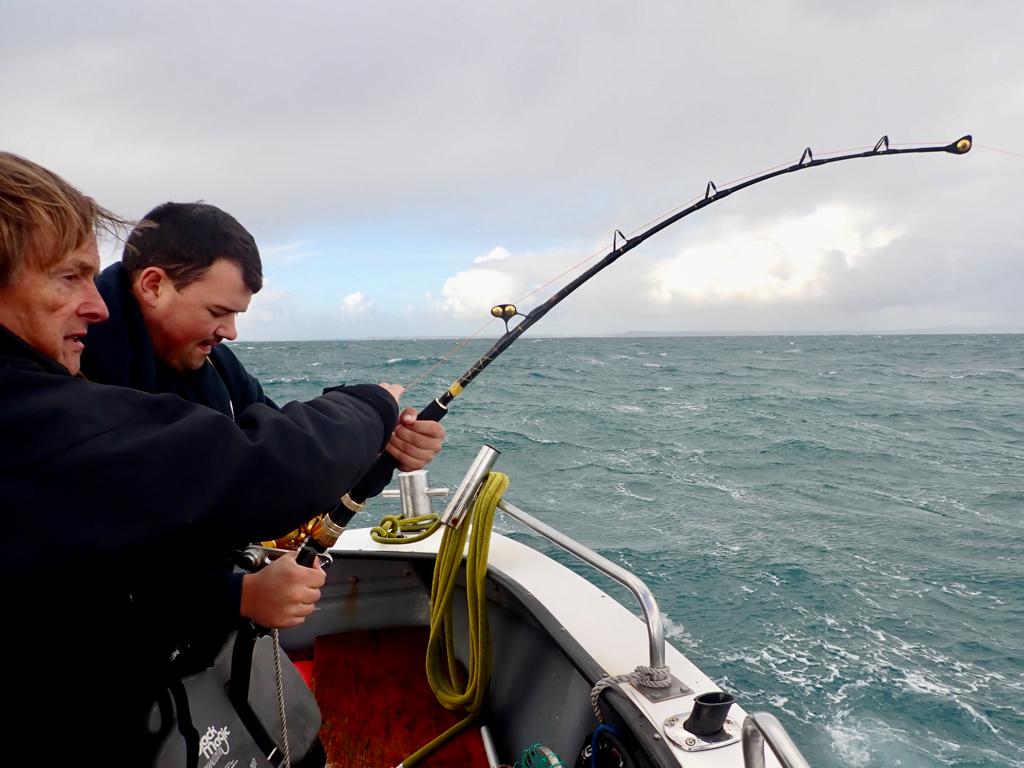
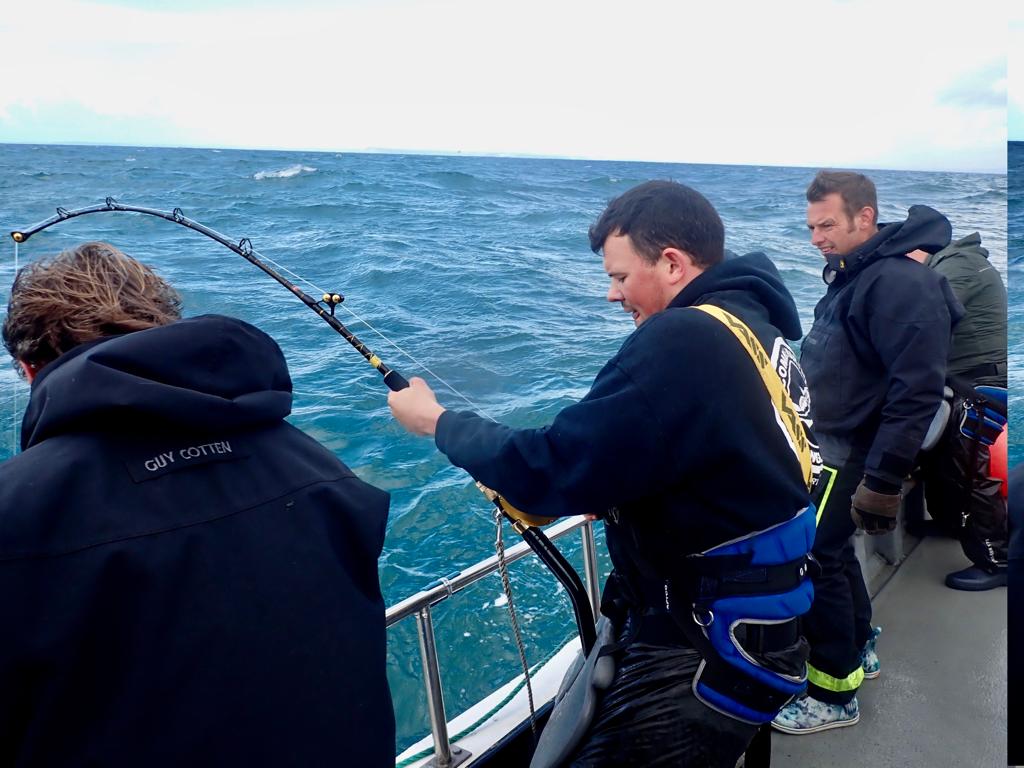
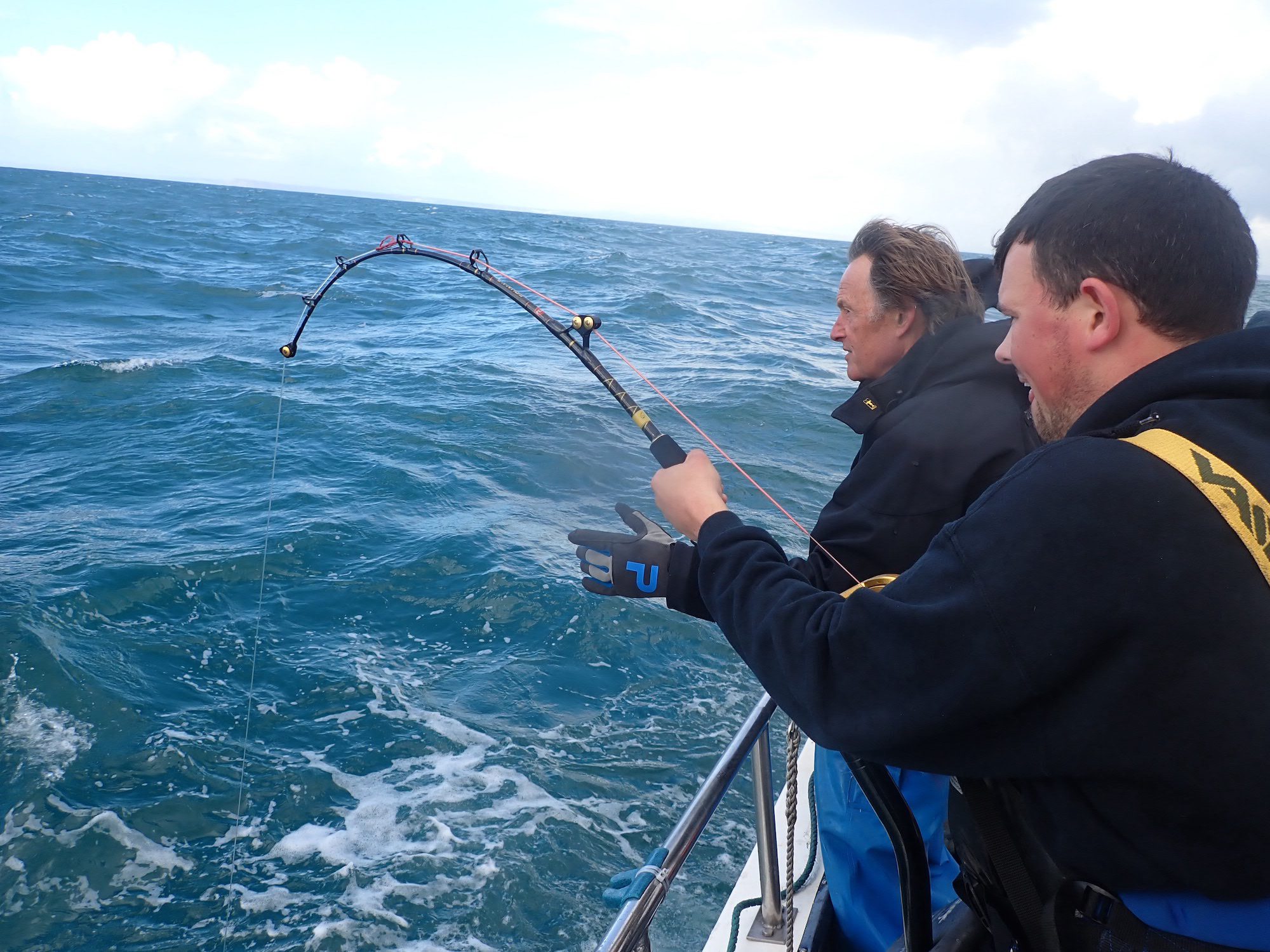
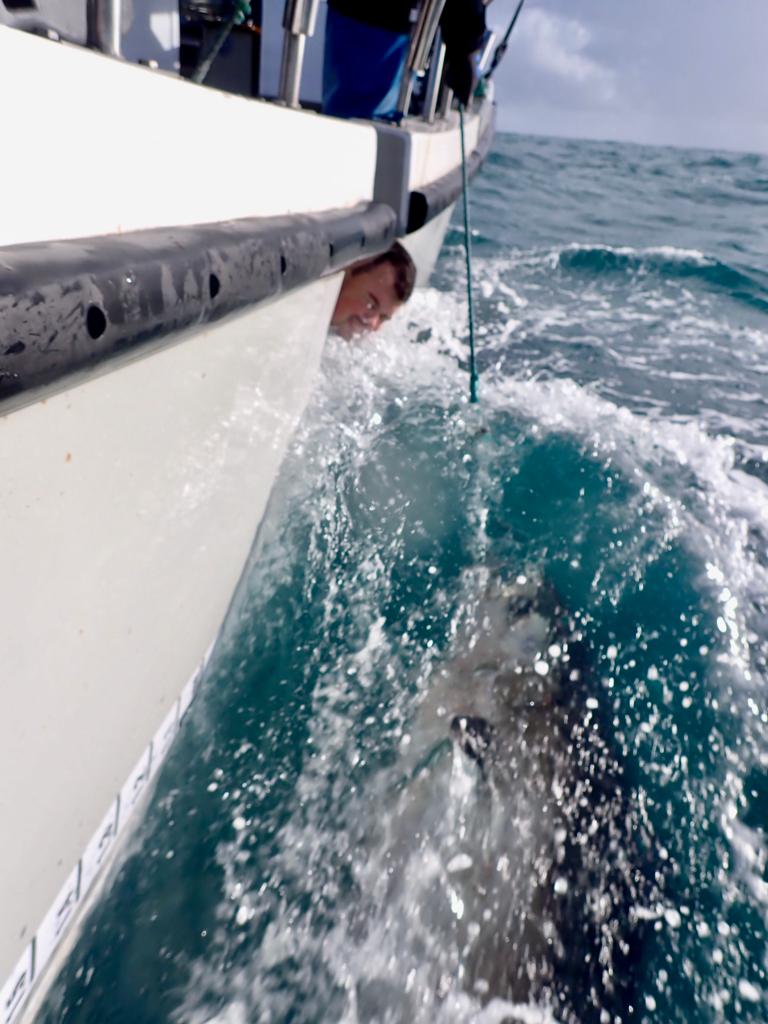
SMAC had a good day on Charter boat Susie B out of Lyme Regis the fishing was slow at times but we had some good fish
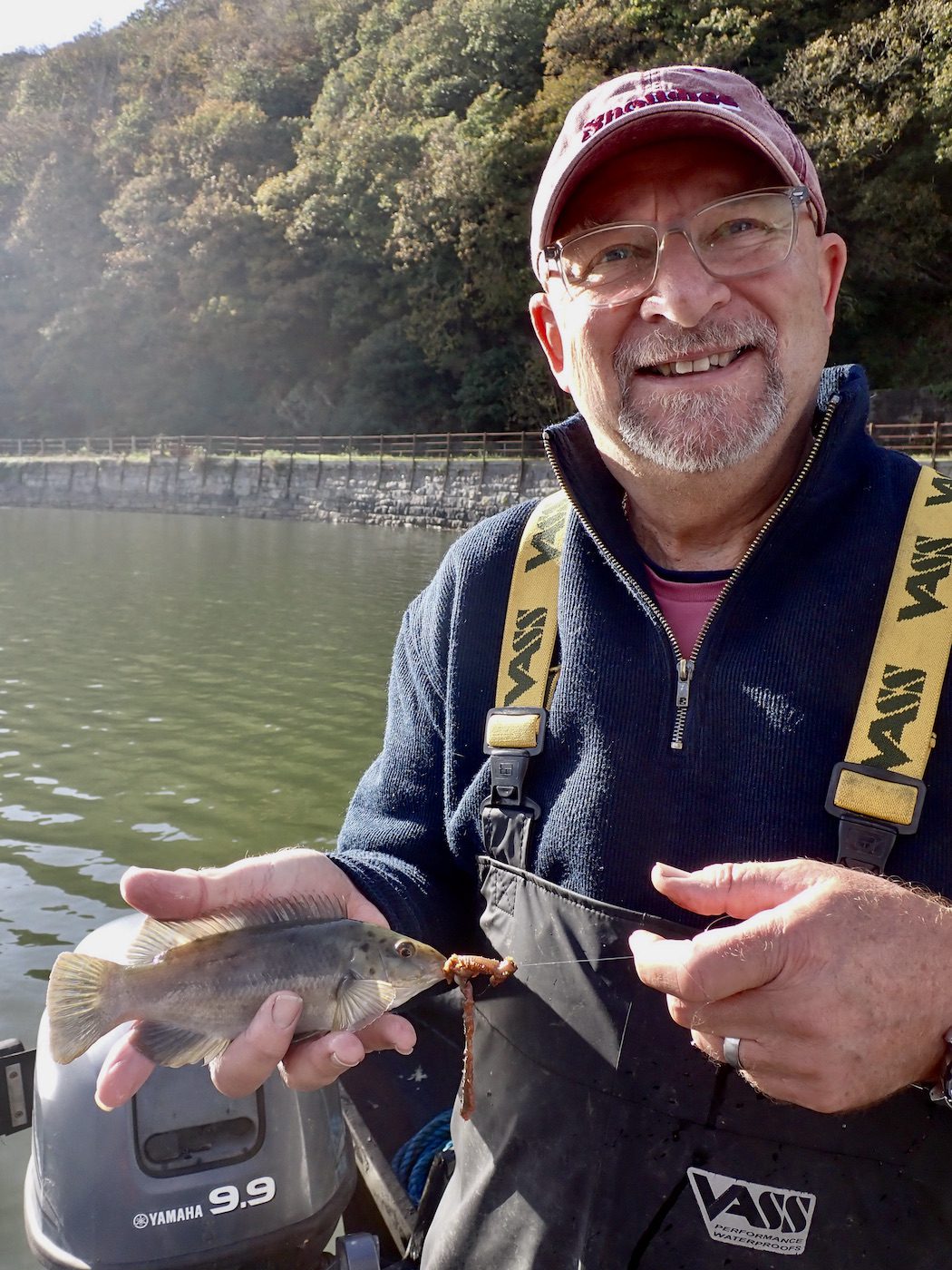
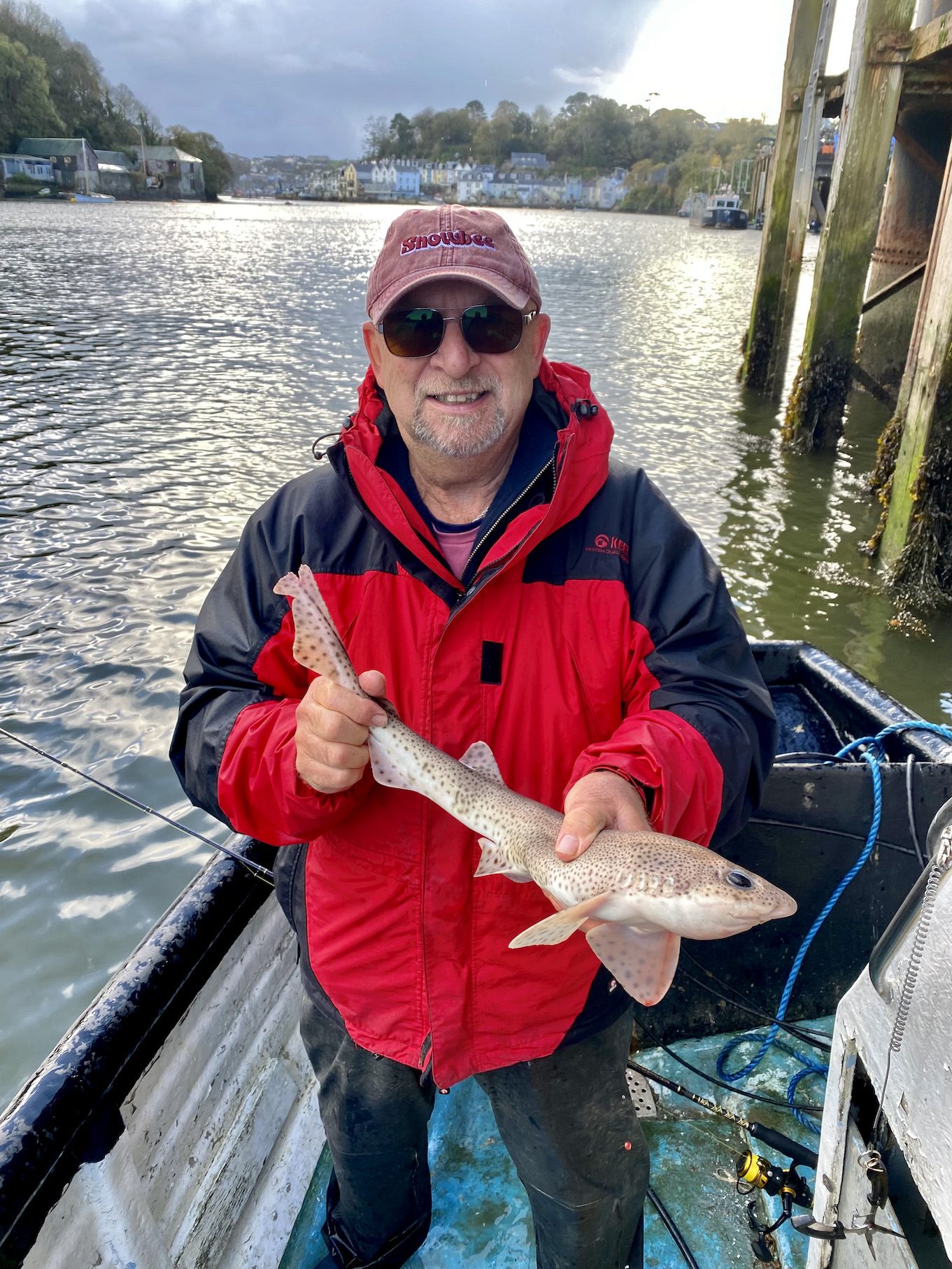
Pollack to 7lb and huss to 12lb, mackerel, plaice, cuckoo wrasse, pouting, poor cod, conger and dogfish.
Shawn, our skipper was very helpful with advice, good gear, tackle, bait, tea and even filleted our fish for us. The consensus was we’d go again.

A Spring Trout at Wistlandpound

A short session at Wistlandpound brought reward in the shape of a fin perfect brown trout. A bitter cold Easterly wind was blowing down the lake as I enjoyed a short morning session. The sunshine occasionally broke through a grey sky illuminating the lush green growth of early spring. Sand martins swooped low over the water and I thought of the epic journey they had just made from Africa. What a chill welcome they were getting as our spring stutters towards the warmth of late spring and summer.


I did my normal routine walk around the reservoir casting into familiar spots that had proved successful over the years. I chose to use three flies, a black lure on the point with a black pennel and black spider on two droppers. There were no fish rising and very little sign of insect life. After numerous casts I changed the point fly for a beaded PTN and adopted a very slow retrieve.

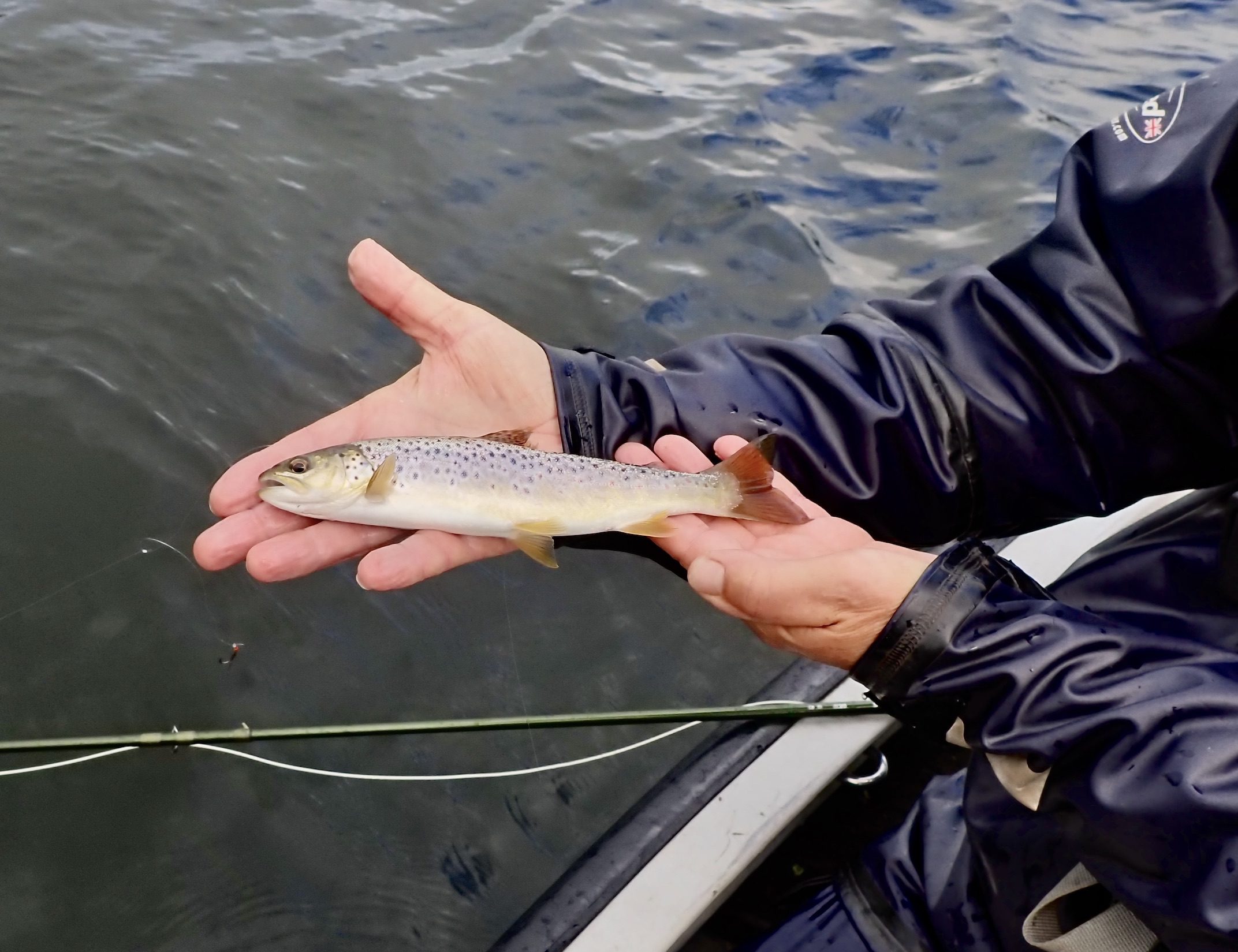
After a further searching the line momentarily tightened giving that encouraging injection of hope. A few casts later the line zipped properly tight and the rod absorbed the plunges of a hard fighting brown. I admired its spotted flanks and delighted in its return to the cold spring waters.

From the river bank – April 17th

Back on the River Torridge and the River seems to be at the same level as last week after spells of heavy rain the river has been up and down. The colour is good but it’s still just a little higher than ideal.

I follow the normal ritual drifting the fly across the river hoping a springer will be resting up and ready to take my fly. After several weeks of good water there are undoubtedly salmon throughout the river but they are likely to be well spread out and I feel they will be more likely to intercept our flies when the river drops a little more and they begin to settle into those longstanding resting places.

After fishing most of the beat I take a short break. Setting the rod down I enjoy a packet of crisps and a satsuma. A high pitched familiar piercing cry caught my attention followed by a streak of electric blue as kingfisher streaked past. A movement caught my eye on the muddy bank and a leech was looping towards me in what could almost be a sinister lust for blood.

I had been watching these amazing creatures on Countryfile a few days ago. They are bred in leech farms for use in the NHS.

I fished back down through the beat casting into familiar lies. As I approached the last pool my confidence grew and as I drifted the fly across the hotspot I expected a take. Strangely it didn’t materialise as in the past that feeling has brought success. Next time?

Shortly after writing the above I recieved a report of 9lb salmon caught at Okement Foot by Alistair Blundell.


THOSE LESS PRODUCTIVE DAYS

Compiling reports for NDANs I see lots of images of good fish and stories of success and these can inspire but can also raise expectations leading to disappointing days. I feel sure I am not the only one who sometimes sets out full of expectation and ends the day feeling slightly deflated.
In my case this disillusionment doesn’t last long for I know that if I keep at it long enough something good will come my way. Basically, effort equals reward and if you can afford to invest time and a little thought good things will eventually happen.
I have enjoyed a few non-productive days recently, fish caught wise anyway. There is generally a positive to be drawn from less productive days in the nature that surrounds or the company that is kept.
I have already swung a fly across the River on numerous occasions in search of salmon and have learnt to accept blank outings as the normal. The salmon just are not present in any numbers so all you can do is believe in the fly and present it to the best of your ability in the places that salmon are known to rest on their migration upriver.

A trip to Chew Valley Lake with my good friend Bruce Elston in early April proved a frustrating day. We set out on a mirror calm lake after a Full English in the Lodge. With bright sunshine and only a light- breeze we knew it was going to be hard going. Plus; we didn’t know what mode the pike would be in pre or post spawning? Local guide John Horsey told us he had seen some big fish but that they were proving fickle following the fly and then turning away.
The mighty Chew holds a certain fascination as the next cast can always bring the fish of dreams.

We drifted the water extensively that day. Twenty pound plus pike followed our flies; glimpses in the clear water that failed to connect.
We took a short break from the piking to have rest and tempt a trout on a buzzer.

But with huge pike to target I find it difficult to stop casting big flies after bigger targets.
We fished until the light faded as the sun sank below the hills. A day full of memories, we exchanged many fish tales and laid plans for future trips.


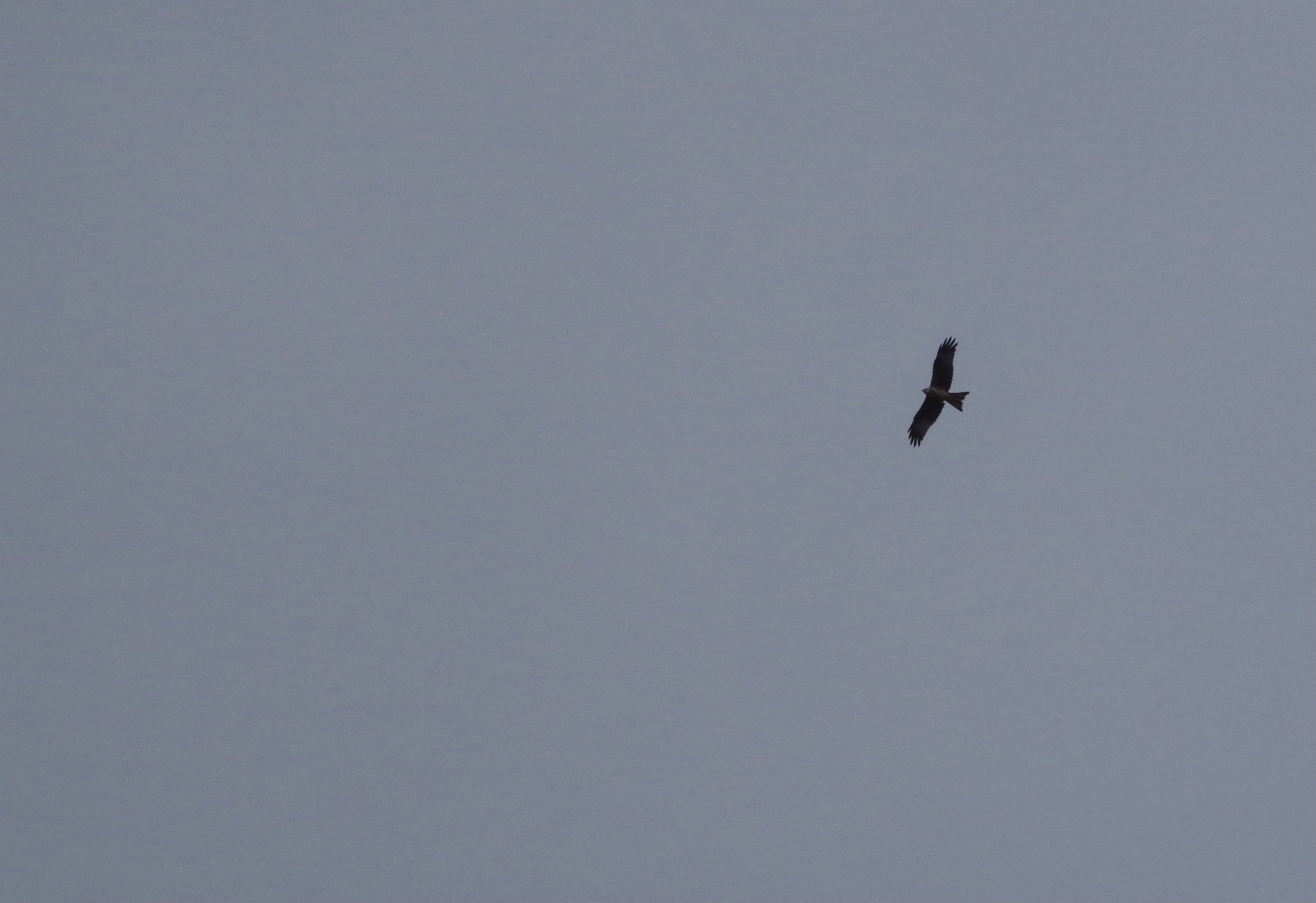
Chew is a magnet for twitchers and whilst I am no ornithologist I always enjoy hearing the birdsong and watching the many birds that haunt the lake. Grebes, swans, moorhens and coots. We caught sight of a hawk gliding over the reeds and I wasn’t sure what type it was.
We will be back later in the Spring once again.

Upper Tamar lake has been hailed as a mecca for big perch anglers. I headed there full of expectation. A couple of pots of juicy lobworms from Quay Sports a bag of raw prawns and a bucket full of ground bait mixed with mole hill soil. I had been given a tip on a productive swim and arrived at the lake shortly after 8:00am.

It was the day after Storm Noa and the wind had dropped but it was still a tad breezy and cool. Bright sunshine and a cool North West Wind. I was well wrapped up and relished the early signs of spring. It was good to see swallows and martins swooping low over the water.
The bobbins remained stubbornly static throughout the first couple of hours. Eventually I started to get a few twitchy bites on the lobworm baits. As the day drifted past I eventually caught a few tiny perch on lobworm and one on the prawn. A brown trout of around 8oz and a single roach. The fish would have thrilled me fifty years ago as a young angler but with age comes expectation.


As the light faded from another day I headed for home pondering my lack of success and looking forward to the next trip.


EXMOOR’S RIVERS – A NATIONAL TREASURE

“ Exmoor’s Rivers – A National Treasure”.

I had been looking forward to Roger Furniss’s talk at  the Lanacre Barn Gallery  on April 5th. Situated  in the heart of  Exmoor a short distance from Lanacre bridge that straddles the River Barle.  For two weeks the gallery has hosted an art exhibition focusing on fish and life within water. https://moorlandart.com  In conjunction with this Jo Minoprio has invited various speakers to focus on and raise awareness of the tragic decline in salmon and river life.

After a drive  across a mist shrouded moor our son James and I arrived at the gallery where guests were already mingling, chatting and perusing the fine fishy art on display.

Roger Furniss has been a keen angler since his childhood days and shares my own passion and fascination with fish and water. He has worked within river authority’s, the  water industry and since retirement has worked tirelessly with the Westcountry Rivers Trust the Angling Trust and other bodies to protect the rivers of the Westcountry.

This evening’s talk was entitled, “ Exmoor’s Rivers – A National Treasure”. Roger delivered the talk from the heart meandering through the complexities of rivers and the life within. Drawing upon his own in depth knowledge and experience Roger painted a vivid picture of troubled waters and a desire to put their survival high on the agenda.

Exmoor’s rivers are an integral part of the Exmoor National Park with the names of many moorland towns and villages and the moor itself derived from the rivers that flow through the landscape.  Lynmouth, Lynton, Brayford, Exford, Winsford, Allerford, North Molton and South Molton a few examples.

Reflecting upon his own childhood days beside rivers Roger drew upon the words of William Wordsworth. “Sweet childish days, that were as long, As twenty. “Sweet childish days, that were as long, As twenty days are now.”. Poignant words that we can all perhaps relate to as our  perception of time passes as our living years tick away all too fast.

The story of rivers and the history of their protection is a fascinating tale that reflects the changing values and vagaries of our political system. In 1923 the Salmon and Freshwater fisheries Act imposed a statutory duty to protect and improve the life within the nation’s rivers.

“The Salmon and Freshwater Fisheries Act 1923 was an Act of Parliament passed by the United Kingdom Government which attempted to consolidate fishery legislation, which at the time consisted of the Salmon Fishery Act 1861 and 18 amending Acts which had been passed subsequently.”

The 1995 Environment Act set out that National Parks should conserve and enhance the natural beauty, wildlife and cultural heritage. Promote opportunities for understanding and enjoyment of the special qualities of National Parks by the public. The Sandford principle states “ If there is a conflict between these purposes the authority shall attach greater weight to the former’. The 1995 Environment Act also updated environmental guidance with a statutory duty ‘ To Protect or Enhance the Environment…so as to promote the objective of achieving sustainable development’.  This dual duty introduces Government allowance to prioritise.

         The above legislation is there to protect the rivers and Environment but as with all laws they are only effective if adequately policed. In this instance the body that upholds the legislation is the Environment Agency a body that has had funding cut severely in recent years.

River’s matter to us all as they are used for water supply, drainage, Industry, Irrigation, recreation, wildlife corridors and landscape. From the perspective of nature the wildlife corridor aspect is vital in ensuring that local habitats do not become isolated.

There are many threats to the rivers of Exmoor and the UK. These include pollution, sewage, land use, abstraction, obstruction and diversion, climate change, access, non-native species, predation and taken for granted. Roger emphasised that TAKEN FOR GRANTED is the largest threat for without public pressure there is no political will to protect.

Roger gave an in depth description of each threat bringing the reality of each to life with images that illustrated each point. It is fair to say that a significant factor is the dense population of the UK. Roger drew comparisons with other less populated countries that have a greater connection with nature and of course have less pressure. For example; Canada has 3 people/ per SQ KM the UK 200 people/ per SQ KM.

The European Water Framework Directive set out ambitious targets for water quality improvements. Brexit has impacted upon this with the UK governments ambition to enshrine the legislation into UK law complex and drawn out. The Environment Agency is dual purpose with its focus politically motivated.

The picture painted is bleak but there is perhaps some room for optimism with significant efforts being made to address the issues. South West Water’s Upstream Thinking and MIRES initiatives have brought welcome funding to improve water quality with the aim of reducing the costs of water treatment. The MIRES project looks to retain water on the moors maintaining healthy flows in the rivers for longer. The charitable sector including the Westcountry Rivers Trust are undertaking  and supporting various projects to protect and enhance the river. They work in partnership with the River Exe and Tributaries Association and Exmoor Rivers and Streams Group. The Exmoor National Park also play a significant role in the custodian ship of the rivers.

The beauty of a wild brown trout

The river Barle and Upper Exe are the key spawning areas for salmon. There is therefore a strong focus upon the health of these areas. The River-fly Monitoring scheme has proved a useful tool in assessing the health of the river. The results clearly indicate that the high tributaries of the Exe on Exmoor are the healthiest areas.

Gravel washing of potential redds in late summer and early Autumn is seen as a valuable operation to remove silt and loosen compacted gravel. Gravel introduction has also been undertaken in some areas where gravel depletion has occurred.

The fencing of banks to reduce diffuse pollution from cattle and selected coppicing of trees to reduce overshading and  allow natural light to penetrate.

The 30 weirs on the Exe Catchment are a major issue – a salmon heading for the upper Barle has to pass over 17 of them – as does every smolt. Good evidence that delays have a lasting effect on probability of reaching target spawning site. Will get worse with climate change. Smolt losses occur at weirs – if 2% at every weir half of upper Barle smolts don’t get to sea. Many kilometres of impounded reaches useless for juvenile salmon, great for predators.

The efforts to remove and improve the migration routes for fish on the Exe are an ambitious project that will require considerable investment.

Roger emphasised the importance of the three E’s. Economics, Enforcement and Education. Education is vital in the class room, engaging in river quality investigation, river restoration with landowners and via the Exmoor Rivers and Streams group.

I spoke with Roger before his talk and expressed my concerns regarding the future for salmon and how recent talks I had attended had been increasingly depressing. Roger assured me that there would be some optimism with in his talk. This was true as there is a deep desire and conviction to do all that is possible to help nature to heal. Climate change is perhaps the greatest threat to salmon.  And to mankind as a species. Some scientists have labelled this as the Anthropocene.

from anthropo, for “man,” and cene, for “new”—because human-kind has caused mass extinctions of plant and animal species, polluted the oceans and altered the atmosphere, among other lasting impacts.

This recognises the fact that mankind has become the first single species to significantly change the worlds complex eco system and climate.

Whilst climate has changed over millions of years nature has adapted to cope and thrive. In this new age where mankind has broken the natural cycles climate is changing at an unprecedented rate that salmon and other creatures cannot adapt to. Without significant intervention salmon may be extinct in the UK within 20 or 30 years.

         An angler’s connection with nature is strong. Non anglers will struggle to grasp the passion that anglers like Roger and I share. Perhaps it is as simple as the fact that without salmon there will be no salmon anglers for where fins swim so do we.

         Our generation have been fortunate to have enjoyed nature. As a child I played in our rivers relishing simple delights. In the years since my childhood the world’s population has more than doubled.

Our impact on nature is now significant and how we retain that vital connection without destroying it is certainly a challenge.

         I expressed my view at the end of the talk that the world needs to refocus and challenge the perception that GDP is how we measure success (Gross domestic product (GDP) is the standard measure of the value added created through the production of goods and services in a country during a certain period. As such, it also measures the income earned from that production, or the total amount spent on final goods and services (less imports).

How do we put a value on the  natural world that is vital to our physical and mental health?

Below is my own attempt at poetry and the  demise of salmon in Westcountry Rivers during a brief passage of time.

I REMEMBER WHEN

The old guy said, 

I remember when the salmon poured into the pools, 

Packed like sardines you could have walked across their backs, (1983) 

I remember when some anglers caught one hundred salmon in a  season,  (2003) 

It’s been a better season we caught forty from the river last year,  (2023) 

I remember when there were salmon in the river,     (2043)                                                                                                  

I remember being told there were once salmon in this river,  (2063)

Early season success at Wistlandpound

    With the Rivers running too high for salmon it was time to visit Wistlandpound and reconnect with its splendid wild browns. After an icy start warm sunshine was illuminating the reservoir as I arrived. A blue sky  and calm waters full of nature’s reflections.

            It was good to be back on this familiar water with a rod in hand. After last summer’s drought it’s great to see the water level full to the brim. Significant growth of withy has restricted access to some areas of the lake but this is not a problem with the low number of anglers fishing the lake. On this day I was surprised to see three other anglers fishing.

            This was only to be a short visit searching various areas. I had set up a floating line and started off with a small black lure on the point and a black cruncher on a dropper. The water felt cool as I waded out and started to search the water. The occasional fish was rising far out. It probably wasn’t ideal conditions but the beauty of the surroundings made up for any lack of action.

            The far bank looked appealing with a slight breeze caressing the shoreline. I wandered over and waded out into a gap in the bankside growth. There were good numbers of buzzer shucks drifting on the surface and a fish rose just beyond the rod tip. The session was drawing to an end and I yearned for that connection.

            Suddenly the line zipped delightfully tight and I lifted the rod to feel a strong fish pulsing at the end of the line. I played the fish carefully and was relieved when it slid over the rim of the net. A perfect wild brown trout, its flanks golden with hues of bronze decorated with dark spots and vivid crimson.


            I had a few more casts, reflecting upon the beauty of the fish I had caught. I spoke with another angler fishing further along the bank as I headed for home. He was pleased to have tempted half a dozen good browns. I pondered that I perhaps could have caught more but In truth I was contented with that one fine brown and I know that the season is young and there are hopefully  plenty more days to fish.

ROSS CHERRINGTON COMMENTS ON TROUBLED RIVERS – Muck and Mud!

Many thanks to Ross Cherrington Senior Farm Advisor for the West Country Rivers Trust who agreed to write this short article highlighting the issues facing our West Country Rivers.

Recently both Paul Whitehouse’s programme “Our Troubled Rivers” and “Countryfile” have spent a lot of time focusing on the problems with nutrients and sediment entering the River Wye concentrating on the issues of intensive chicken farming within the catchment. Interestingly new intensive chicken farms have strict planning and environmental rules called the Intensive Pig and Poultry permits run under the Integrated Pollution Prevention and Control Directive IPPC. These plans are where it seems to be failing and should also include a manure management plan and be inspected every 3 years
It’s a shame that Our troubled rivers didn’t have more time to include the filmed Tamar segments, with interviews with an intensive dairy farmer, citizen scientists involved with the Sapputo Issues and a River keeper. I am sure the BBC could have had a complete programme on the Tamar instead of concentrating on a certain person of Scottish descent and his beavers. This is because in Devon and Cornwall our problems are not poultry or pig based but cattle and sediment. Muck and Mud. Too many dairy farms do not have enough slurry storage, or it’s in poor condition, and leaky. I still come across dairy farms in my job with the Westcountry Rivers Trust with No slurry storage just an old 3 stage settlement system with a dodgy pump.
There could be an easy way to service these new stores based on milk price, and tax breaks. The dairy company could offer a guaranteed 2p/litre more than base price for those farms with 5 months Silage Slurry and Agricultural Fuel Oil (SSAFO) regs compliant stores, with incremental payments up to that 2p limit for those getting there. It doesn’t make sense to me that its easier to get a tax break buying a new tractor but not for a new slurry store. The £3million slurry investment scheme has apparently had 8000 applicants for grants to construct a covered 6 month capacity store which if the average grant is £100,000 only allows for 30 projects.

Ross Cherrington                                                     

Senior Farm Advisor

Westcountry Rivers Trust