
Click on link below to see starter kit :-
Click on image for link….
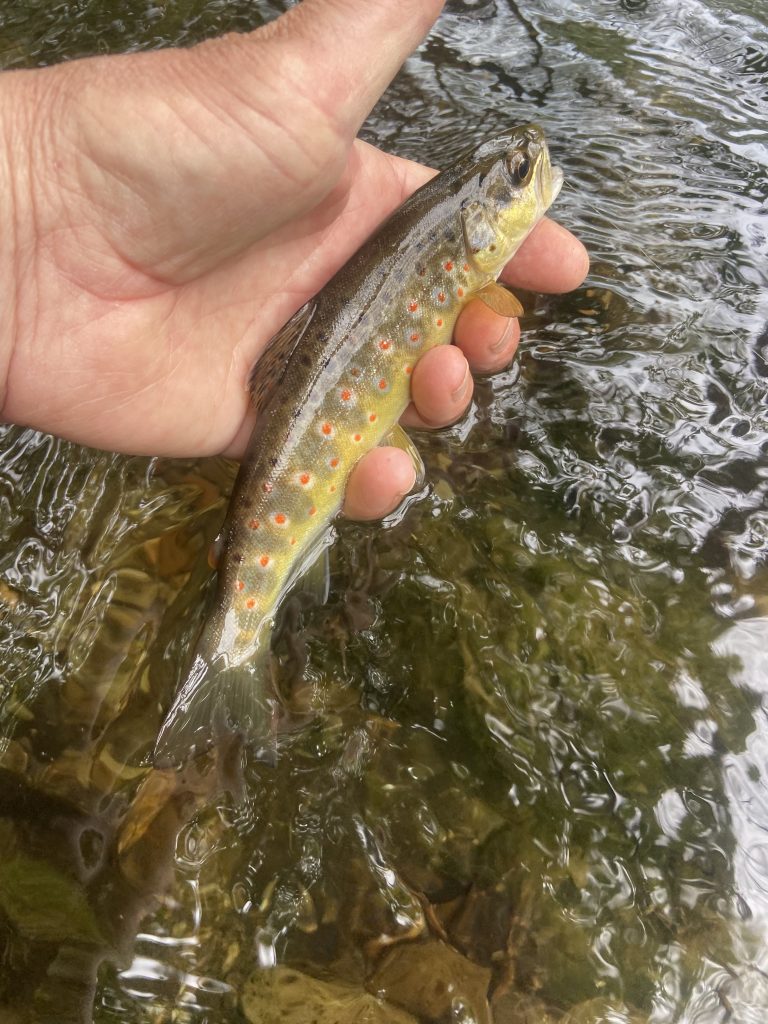


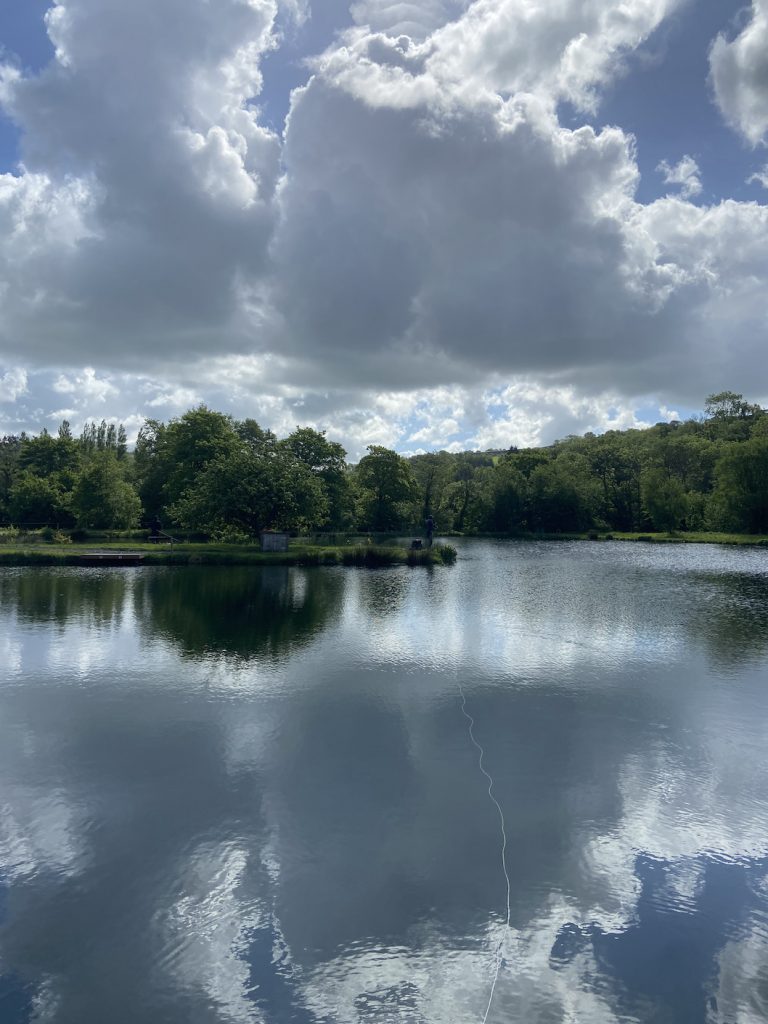
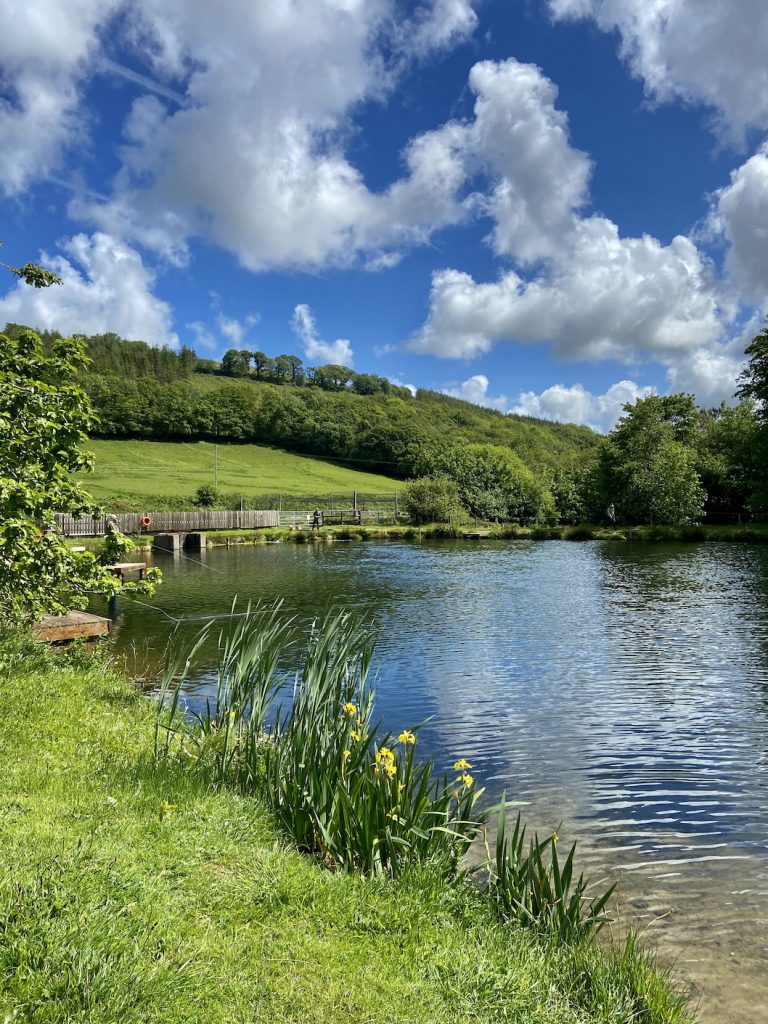
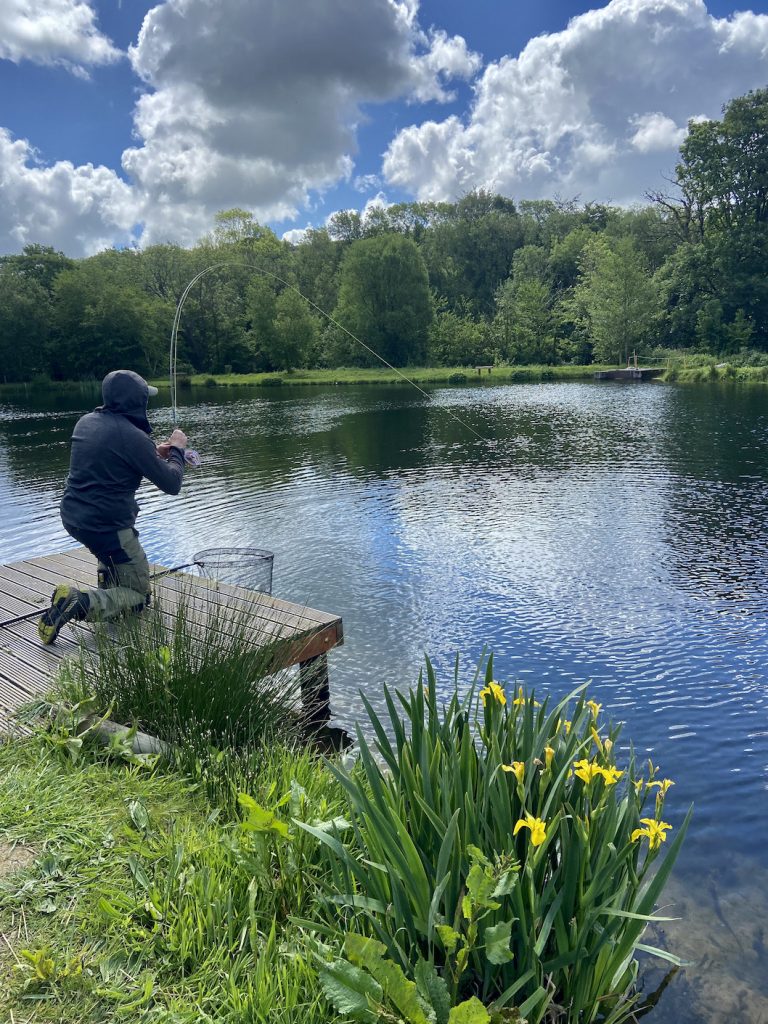
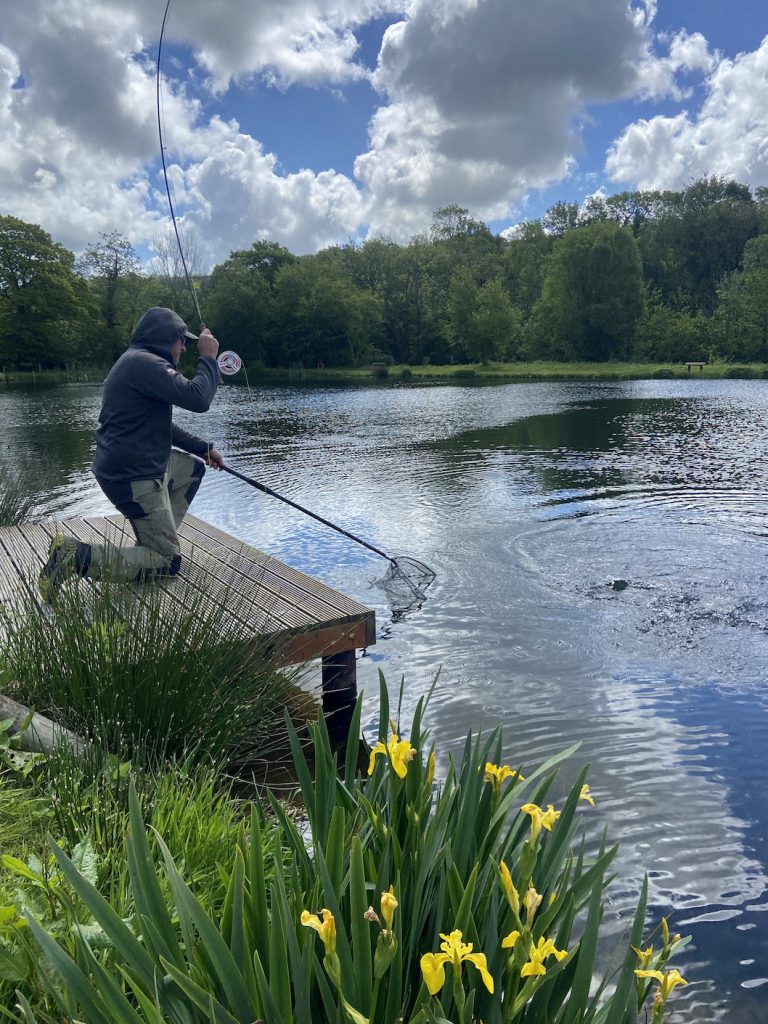
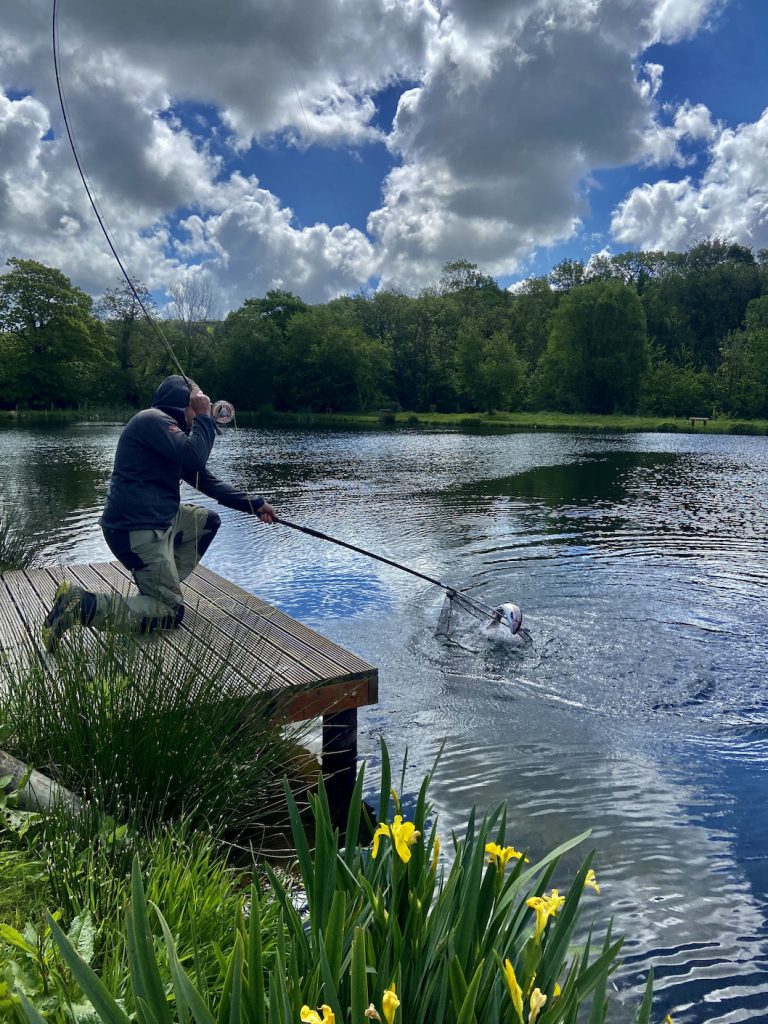
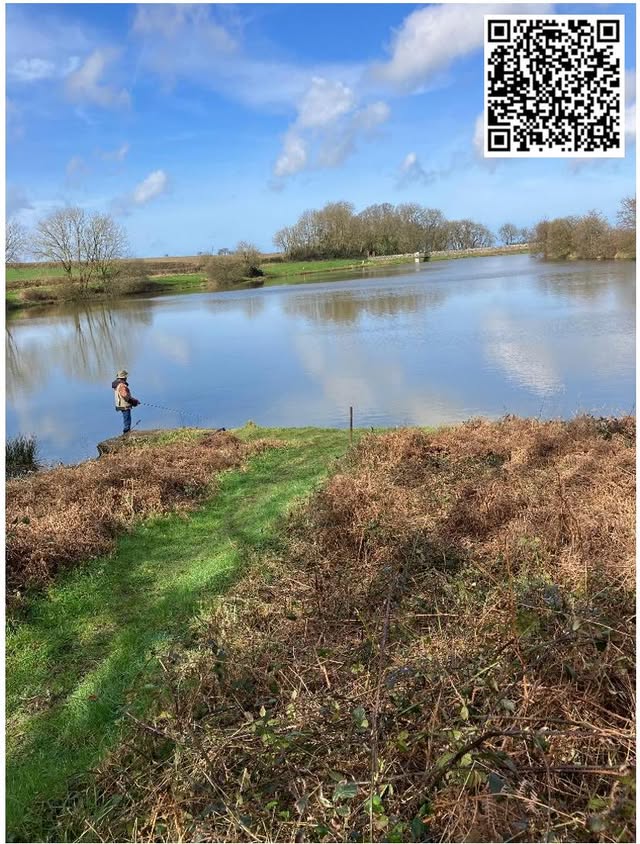
I promised Rodney Wevill who organises the Fluff Chucker events that that I would give an update on Wistlandpound before the next Brown Trout Masters event on May 2nd. So on April 18th I set off for quick fish around the lake. On arrival it was pleasing to hear the call of chiff chaffs in the fresh green trees. Parking in the lower Car park I walked down across the dam noting that the reservoir level is around 4ft below top water level. There was also a green tinge to the water indicating an algae bloom a frequent issue this reservoir over the years.
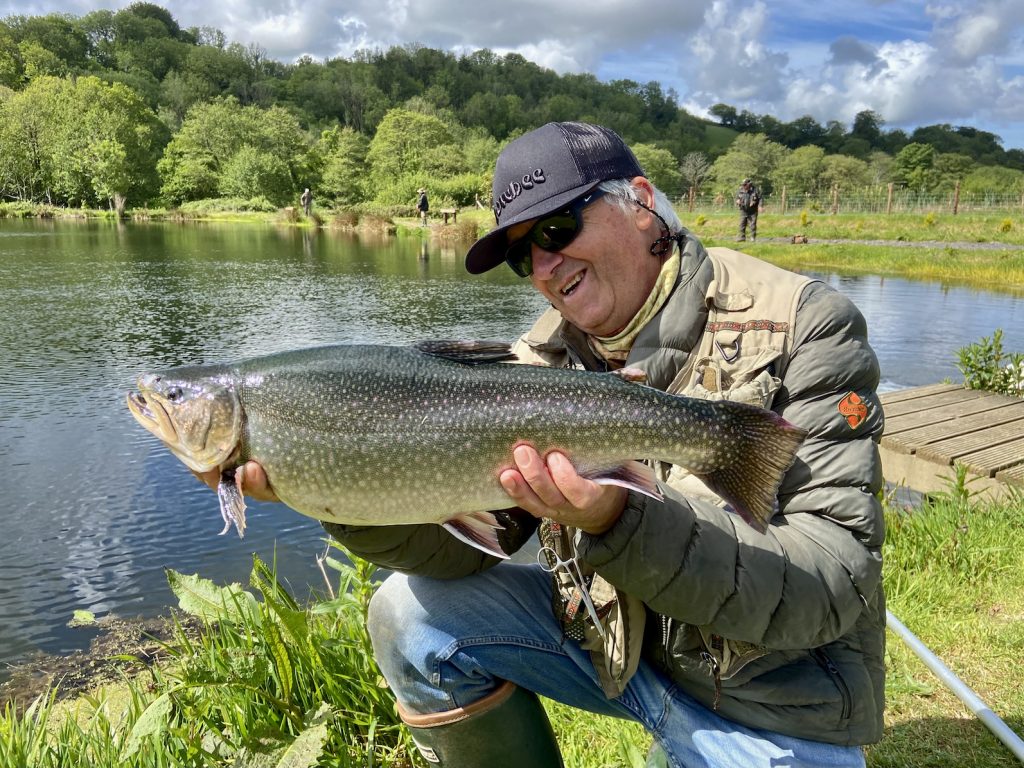
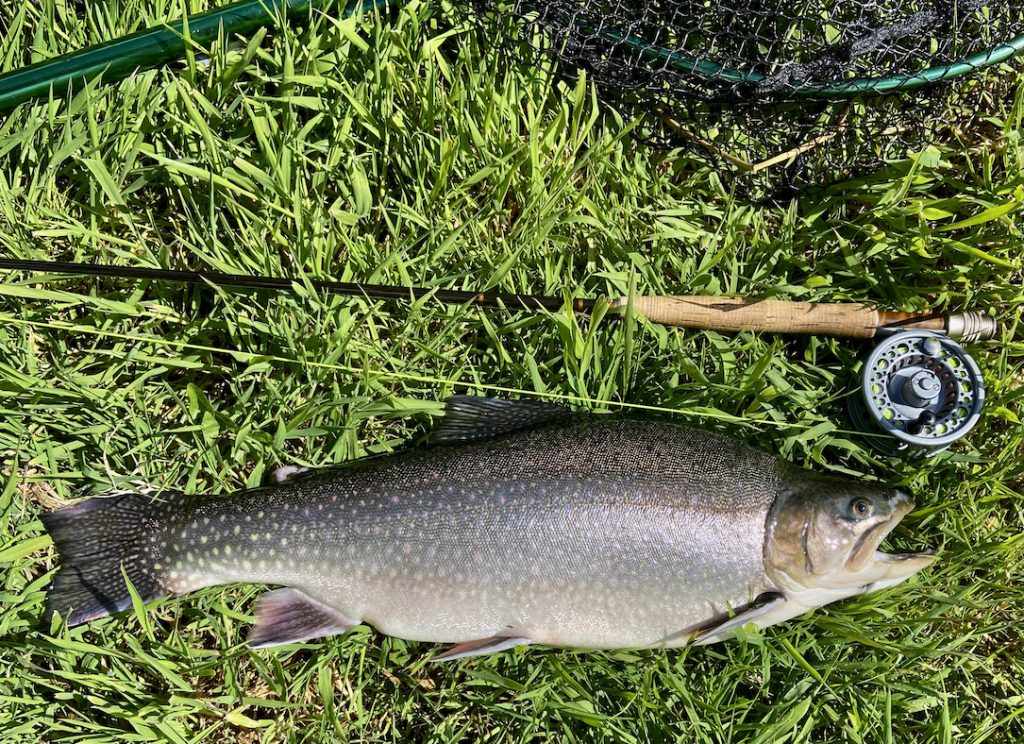
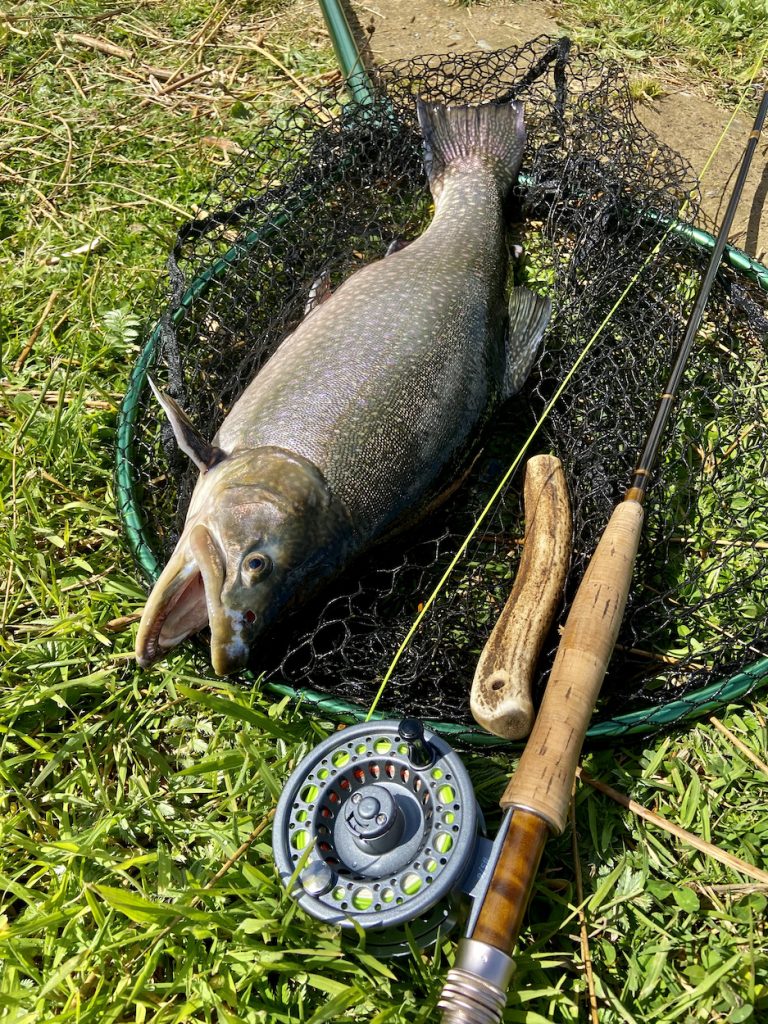
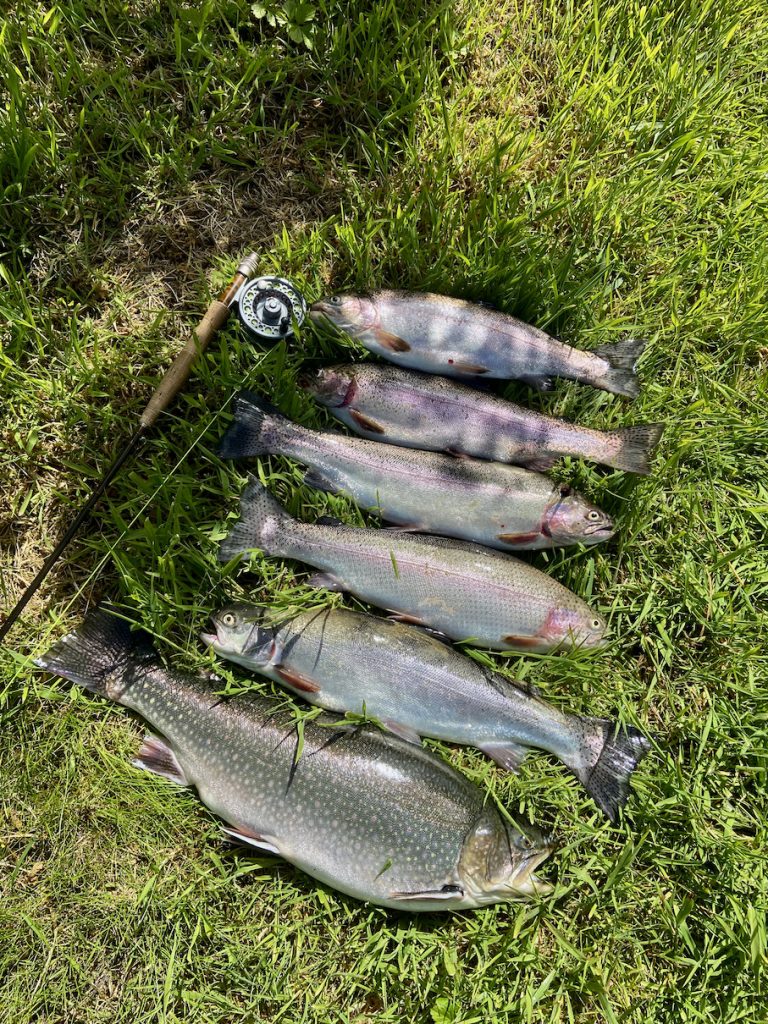
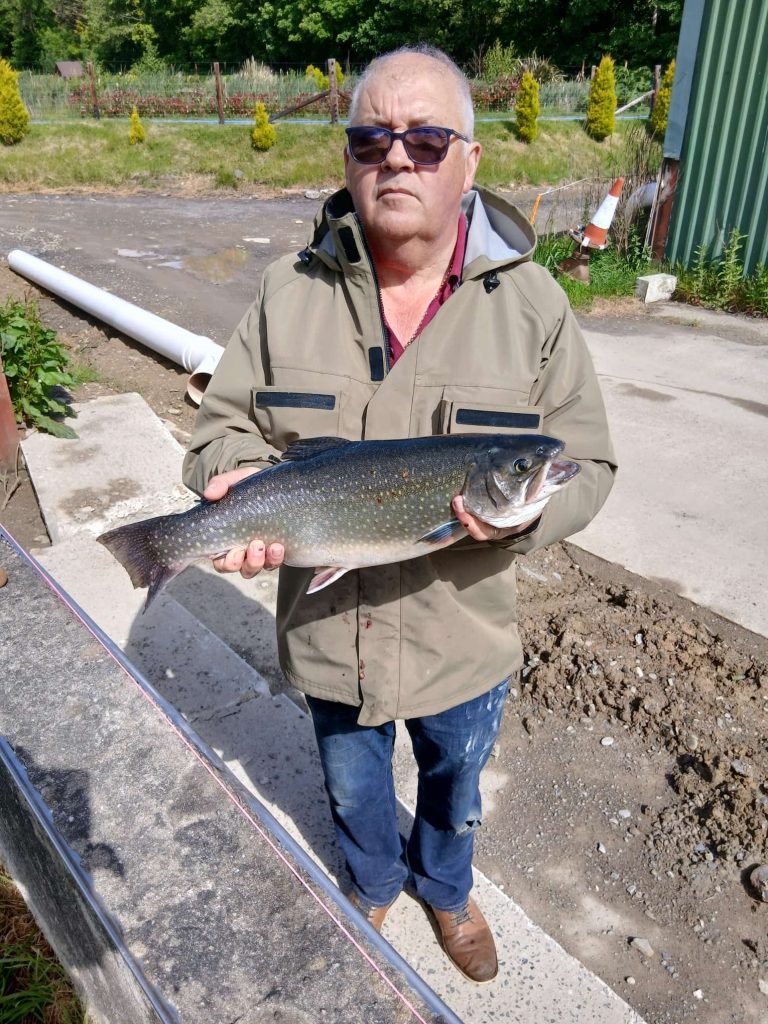
Wistlandpound is 41 acres and is close to my home in North Devon. I have fished at the venue since the late 1970’s and have witnessed several phase of fishing at the venue. It was once a premier rainbow trout fishery but was downgraded a few years ago to become a natural brown trout water. Trout are no longer stocked into the lake but a healthy stock remain in the reservoir and there is the potential for some large specimens. Rudd are now abundant in the reservoir and undoubtedly provide food for the venues larger brown trout. Recent season have seen fish caught to 3lb with larger fish glimpsed as they smash into fry during late summer.
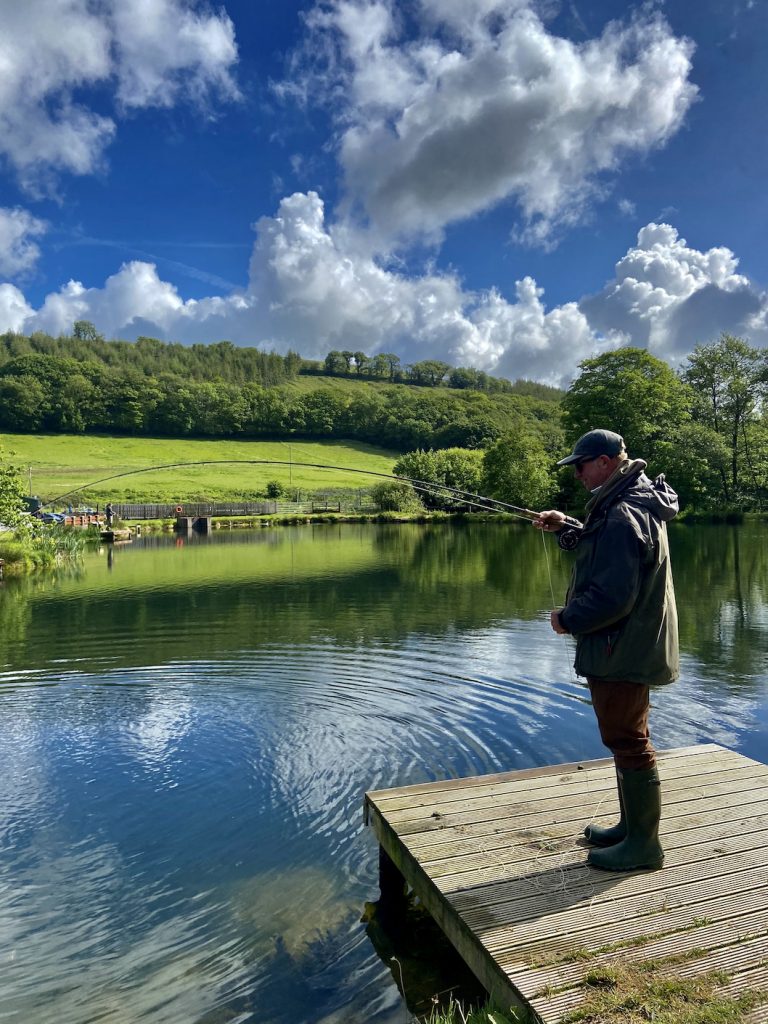
I walked along to the South bank where a good stretch of bank is fishable. I covered this stretch of water casting and stepping to cover as much water as possible. See Map below :-

The South bank gives access to deep water with some weed offering food for both trout and Rudd. The eastern end of the lake offer some access to extensive weedy shallows that can fish well especially when the water level is down a little giving casting space behind. There are two areas of accessible bank on the North Shore that can be productive if the boat launching area isn’t being used.


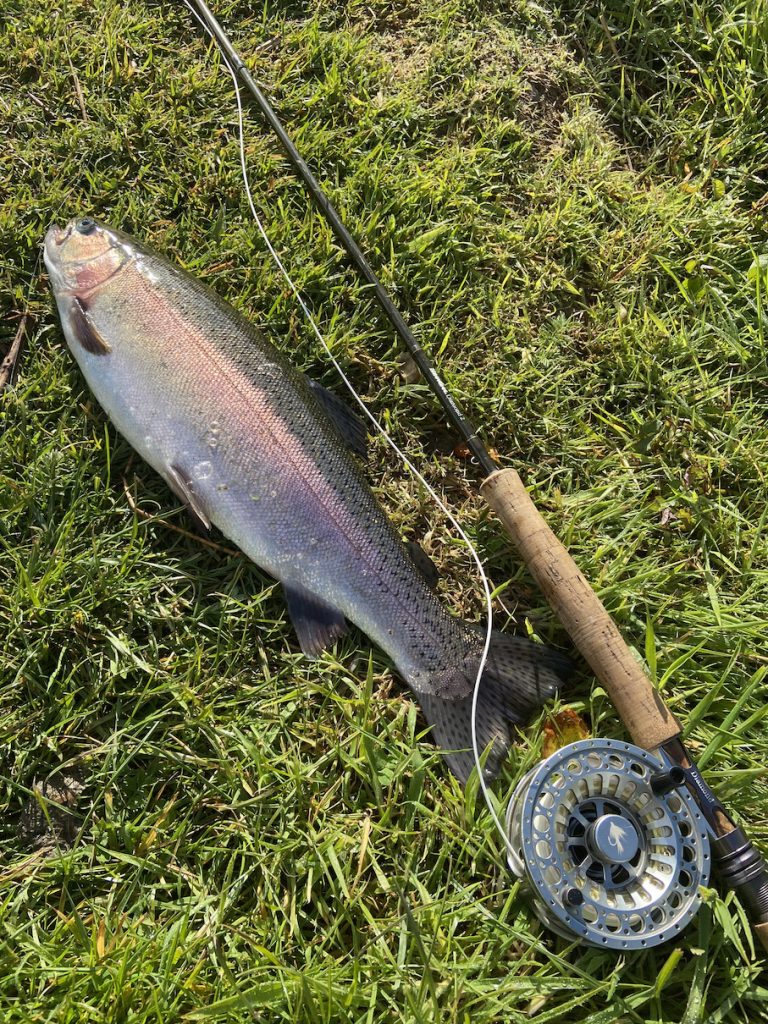
Despite searching all fishable areas I drew a blank on this short reconnoitre of the water. It will be interesting to see what is caught during the Fluff Chucker’s event. I generally fish a team of flie’s with black lures, black spiders and PTN’s generally working well along with Zulus and other traditional wets.


President: Lord Clinton
Chairman: Paul Ashworth Secretary: Charles Inniss
Beeches East Street Sheepwash Beaworthy Devon EX21 5NW
e-mail: [email protected]
NEWSREEL SPRING 2026
SUBSCRIPTIONS for 2026 are now due and are £20 .
The season so far: Salmon-wise it has been a most encouraging start to the season. Four fresh spring salmon have been caught: one of 10lb and three about about 8lb: one in the first week of the season at Riversmeet and three downstream from beam weir (two during Easter w/e). The salmon anglers have caught several trout up to 1.5lbs: all in good condition. With the weather warming the brown trout are starting to feed on the surface and there’s always the chance of an early running sea trout: these early fish are usually in the 3/5lb range.

The AGM: was held at The Half Moon on Friday 27th March. Over 40 members and guests attended. Our President Lord Clinton was able to join us and also the Fishery Protection Officer, Sam Fenner. Our guest speaker for the evening was Willie Entwistle, the Chair of the South West Rivers Association (SWRA), who gave an enlightening talk on the importance of the SWRA which represents all the 20 westcountry rivers. The main aim of the SWRA is to highlight the particular problems of our rivers (water quality and the declining numbers of migratory fish) at the highest level. After the meeting we all enjoyed the usual excellent buffet.

THE HATCHERY: once again the hatchery project has been most successful and over 20,000 swim -up fry were stocked out in the last week of March into tributaries of the Upper Torridge, Lew and Okement. Once the eggs have been stripped from the hens, fertilised, and laid out in the egg box trays they have to be checked daily with any dead eggs removed. Silt is the one ongoing problem which if allowed to build up in the trays kills the eggs through lack of oxygen. The hatchery team will be looking into ways the silt loading can possibly be reduced next winter. FISHERY REPORT: Sam Fenner, our fishery protection officer, provided vital support in catching up the broodstock for the hatchery from the fish pass at Monkokehampton Weir. Sam is the only fishery protection officer for the whole of Devon!! The results of the EA juvenile survey at Okement Castle on the Okement were quite outstanding: indeed probably the best for all the rivers in Devon and Cornwall!! It was, he reminded us, more important than ever for us all to be the eyes and ears of the river and report any concerns. THE TORRIDGE WEBCAM is now at Taddiport Bridge on the Lower Torridge. It is now live. BEAVERS: There is now at least one beaver colony in the Torridge catchment!! Like it or not we are going to have to live with beavers. A group of us recently attended a very informative presentation at Hatherleigh Community Centre re. the pros and cons of beavers in our rivers. Our concern was the effect of beaver dams on salmon reaching their spawning grounds. Your committee will be arranging a similar presentation at The Half Moon during the summer. Details to follow in due course.


Fly Fishing enthusiasts flocked to the Fox and Hounds at Eggesford last weekend for a gathering organised by Trout and Salmon magazine. The event featured talks from a wide range of experts covering fishing tactics, their fishing lives and how this connects with the natural world at the water’s edge and beyond.
The weekend proved to be a resounding success, a great social occasion that helps the fly fishing community to flourish. Whilst Fly Fishers tend to be solitary throughout much of their time pursuing their quarry there is also pleasure in sharing the joy. This was apparent throughout this event. Pauline and I could only fit in the Sunday morning of the event but it was apparent from all we met that it had all gone exceptionally well with thanks to Pete Tyjas, all at the Fox and Hounds, the exhibitors, the speakers and of course the attendees.
The Fox and Hounds has a rich history as a Country Fishing Hotel and should be treasured for these establishments are at the heart of fly fishing tradition and history. Many once thriving hotels have ceased to exist, the Carnarvon Arms and Tarr Steps Hotel on Exmoor are two that readily spring to mind. I have fond memories of both hotels and view their demise with sadness. It is of course the decline of salmon that contributed to their closing for salmon and the anglers who chase them bring valuable economic benefits to the local area.
The Taw still provides excellent fishing for wild brown trout that seem to be thriving an indication that the main issues with salmon decline are at sea. The Fox and Hounds offer fishing on nearly 4 miles of fishing on the River Taw. The lightly fished beats are maintained in their natural state.
Fishing small streams


Pete delivered a heart felt talk on his fishing life with valuable tips on casting and how to approach the water. It seemed appropriate that as Pete prepared to start numerous martins appeared high above as they migrate into their Spring and summer home.


Harry displayed dry fly and duo techniques with great enthusiasm explaining in detail how to read the water and manipulate the flies to best effect. Giving valuable advice as to tackle set up and how to apply.


Fred Brown gave an inspiring talk on the use of streamers and how to fish them. He explained how these lures often tempt the largest inhabitants of the river. It really does make sense as the larger trout will generally turn cannibalistic to maintain size. I have recently finished reading the excellent book River Trout Streamer Fishing by Theo Pike and intend to explore some of our local rivers with streamers.
North Devon based Pete Tyjas is the new editor of Trout and Salmon Magazine that has been in circulation since 1955. Fly fishing is undoubtedly enjoying an influx of new thinking with a younger generation embracing tactics from across the globe. There is of course a rich vein of history and tradition interwoven in Fly fishing evolution over the centuries that should also be treasured.
Whilst away in the Cotswolds recently I spotted an interesting book entitled ‘The Diary of a Test Fisherman’ 1809 to 1819. I have skimmed through the book and will read fully in due course. It will be fascinating to note how times have changed as this book was published before F M Halfords; Dry Fly Fishing in Theory and Practice that was published in 1889.


Whilst Pauline and I were only present for the Sunday morning and Sunday lunch it was obvious that all who attended had been privileged to enjoy a unique weekend full of warmth and laughter. It was reassuring to witness the experts finding the tree branches from time to time. When I catch the branches I hope to avoid any spectators yet; I would appreciate a dedicated team of assistants to untangle fly and leader from the guilty branches!
The raffle at the end of the event raised £410 towards river conservation projects.
Sunday lunch was extremely enjoyable with a vast range of topics debated covering the natural world and the more worrying wider world.


The Fox and Hounds was the venue for the River Taw Fisheries and Conservation Associations AGM last Friday. Forty or so members assembled at the hotel with river conservation at the top of the agenda. Chairman Andy Gray highlighted the extensive work being undertaken across the River Taw catchment with a collaborative science based approach to tackle the many issues that impact upon the rivers health. Agricultural pollution, and sewage discharge identified as being the most impactful. The association are working closely with the Environment Agency, West Country Rivers Trust and North Devon Biosphere in a catchment partnership. The collection of data is a vital part of forward planning and the association are working with Exeter University and West Country Rivers Trust to help gather this information for science lead solutions.
Daniel Skeat’s and Karen Saunders gave informative presentations regarding the shad eDNA project and electro fishing results across the catchment. There were some positive results from the fry surveys in some areas that give a glimmer of hope for the future.
The Taw salmon rod catches were probably better than expected with around 90 fish recorded. Most of these were caught during a brief productive spell at the end of the season with most fish caught lower down the catchment despite good water levels.
It is apparent that anglers observations from the water’s edge are vital in revealing the full picture. Rod catches are an important indicator of fish populations. It is only through anglers that the presence of rare migratory shad have been highlighted in the Taw catchment. Anglers are often the first to spot pollution incidents and those that participate in River-fly Surveys provide vital data to monitor long term river health.
Sam Fenner and Harry Chance from the Environment Agency both gave updates on the sterling work they are doing across North Devon in both fishery enforcement and farm visits. Their efforts are to be welcomed and supported whole heartedly by all anglers. The Environment Agency is undoubtedly underfunded and this will only change as public opinion puts the environment higher onto the political agenda.
The Channel 4 program ‘Dirty Business’ has stimulated much discussion regarding water companies and enforcement. These emotive productions are beneficial in stirring public opinion but anger seldom proves productive as the issues are complex. In a world driven by social media and polarised opinions solutions are not often easily found.
In my opinion the work being done in our rivers is vital to help salmon and sea trout survive. But addressing the destruction of salmon at sea via industrial fishing is where action needs to be coordinated to give any realistic hope for the long term future. As to climate change its effects can perhaps be combatted to a limited degree by careful river management with tree planting.
An online auction is being held to raise valuable funds to enable this work to continue full details can be found on the associations website.
RTFCA ANNUAL FUNDRAISER
Welcome to the RTFCA annual fundraiser. Donations from our members and supporters go to raising to funds for the Association.
All of the funds raised are spent on in-river projects designed to improve water quality or deliver environmental improvements. Some of our previous projects can be seen on our website at https://rtfca.co.uk/
This year we are hosting the fundraise online. Please follow the link and instructions and bid generously. Leave a tip if you are able.
We are very grateful for your participation and support.
The link for the fundraiser is: https://app.galabid.com/rtfca-fundraiser/items
Many thanks and good luck
Ian Blewett
Sec